

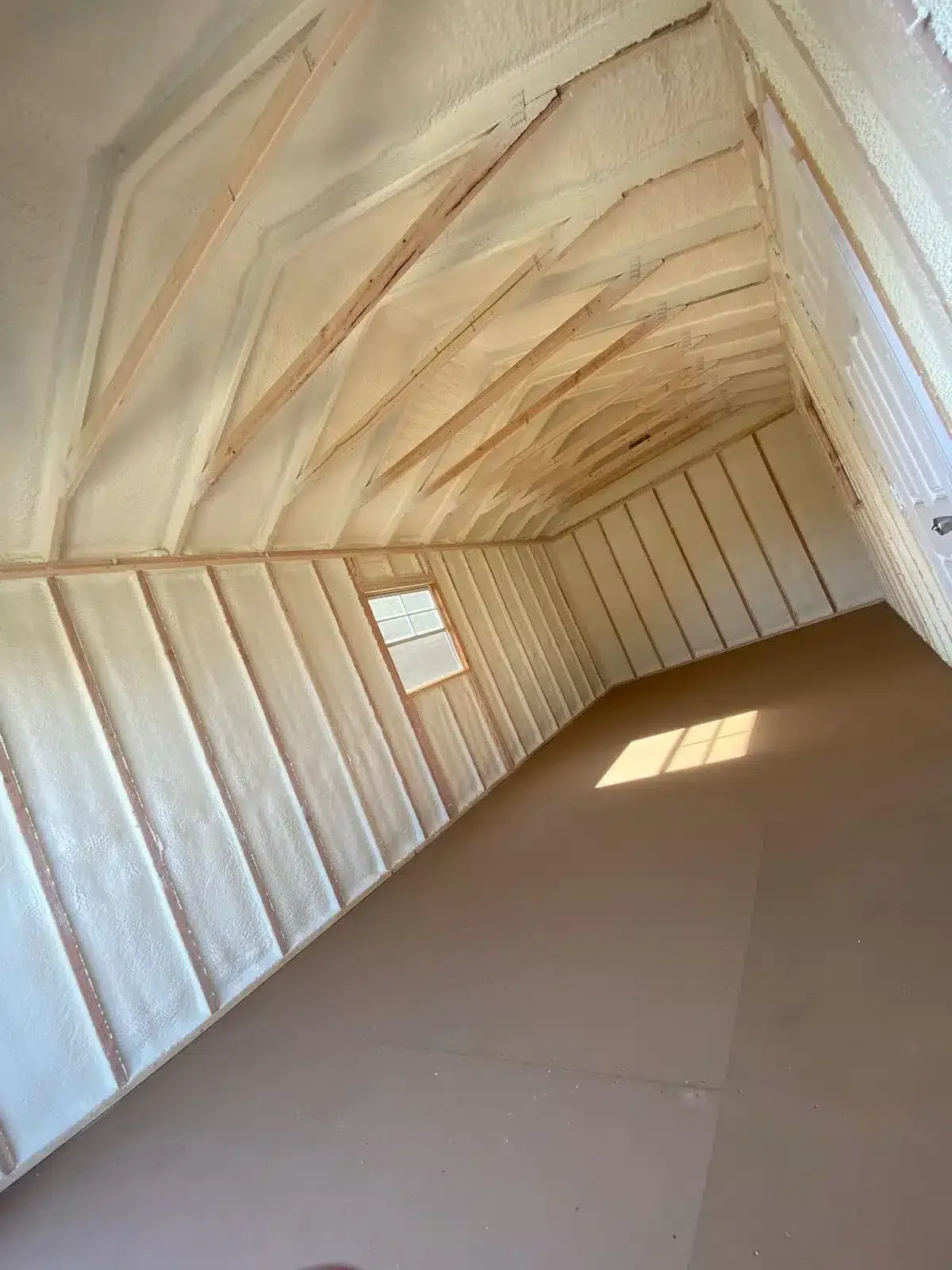
Selkirk Energy Solutions provides Commercial Insulation Services in Bonners Ferry, ID. Commercial buildings face distinct climate challenges and structural demands that require specialized insulation engineering. Without adequate thermal envelopes, commercial properties experience rapid heat loss during freezing North Idaho winters and excessive solar gain in the summer, which drives up utility overhead and strains mechanical equipment. This article examines how commercial insulation systems work, how they differ from residential applications, the value of retrofitting, and how to plan a project estimate.
Commercial insulation is fundamentally different from residential insulation because of the scale, framing materials, and structural mechanics involved. While houses typically rely on wood framing and smaller footprints, commercial and industrial properties often use structural steel framing, concrete block, or large metal building packages. These materials respond differently to temperature shifts, moisture migration, and fire safety codes.
The building envelope comprises every physical component that separates the conditioned interior of a structure from the outside environment. In commercial construction, managing this envelope requires accounting for massive roof spans, high ceilings, and multi-story walls. A failure in any part of this system affects the entire structure's energy balance. Commercial buildings also house heavy internal equipment, lighting loads, and variable occupancy patterns that create unique thermal loads compared to single-family homes. Guidance compiled by programs like the Idaho Energy Code outlines minimum efficiency standards for commercial envelopes across state climate zones.
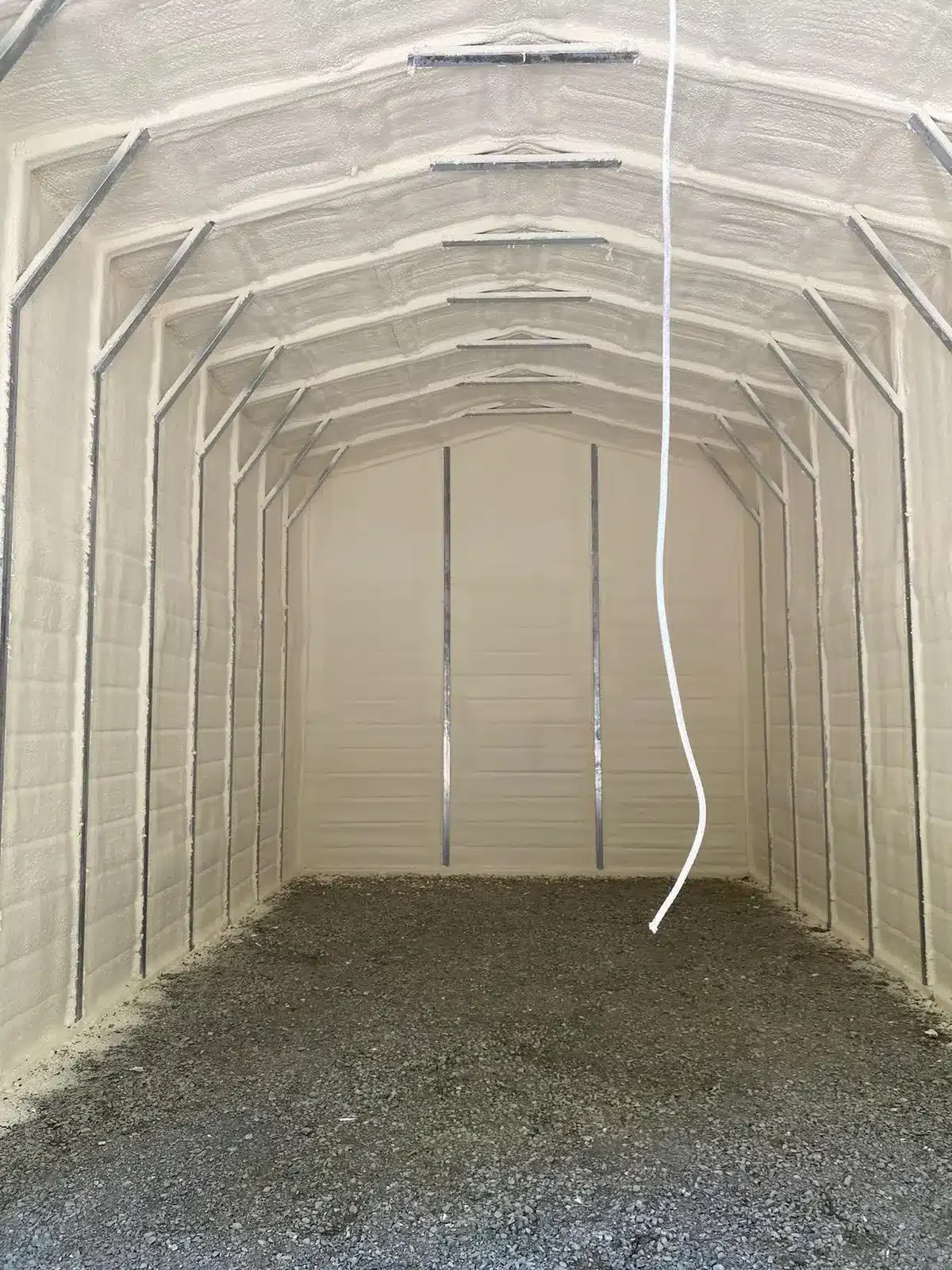
Thermal bridging occurs when highly conductive materials, such as steel studs or structural framing members, bypass the insulation layer and transfer heat directly through the building envelope. In commercial metal buildings, this creates cold spots where moisture condenses, leading to potential rust, mold, and structural degradation. Effective Commercial Insulation Installation requires continuous insulation layers and specialized air sealing to stop air infiltration, which accounts for significant energy waste in large facilities.
Commercial insulation projects utilize various material types and application zones depending on the architectural design and performance requirements of the building. Selecting the correct insulation category ensures code compliance and long-term durability.
Commercial walls require insulation systems that fit the specific framing method, whether interior batt installations, exterior rigid board, or sprayed polyurethane foam. Proper wall insulation stops wind-driven air leaks and increases the thermal resistance value of the building perimeter. In industrial facilities, closed-cell spray foam is frequently chosen because it adds structural rigidity while serving as an air and moisture barrier.
Roofs represent the largest surface area exposed to direct sunlight and winter weather, making roof and ceiling insulation critical for energy conservation. Commercial roof insulation often involves rigid polyisocyanurate boards installed beneath membrane roofing systems, or spray foam applications applied directly to the underside of the roof deck. Manufacturers such as Rmax provide technical information on polyiso insulation and continuous insulation systems used in commercial building envelopes. Proper installation helps reduce the risk of ice damming, limits thermal stress on roofing materials, and reduces heat loss through upper structural cavities.
Insulating a building during new construction allows for integrated vapor retarders and continuous exterior insulation placement without structural interference. Building owners planning new facilities can optimize their thermal envelope from the ground up to meet local energy codes efficiently.
Commercial Insulation Retrofit projects involve upgrading or replacing existing insulation in older or underperforming properties. Retrofitting an operational commercial building presents distinct challenges, such as minimizing disruption to daily business activities. Upgrading an older commercial property often involves dense-packing cavities, spraying open-cell or closed-cell foam into existing wall assemblies, or adding layers to uninsulated roof decks to lower skyrocketing monthly utility bills.
Investing in professional commercial insulation delivers measurable operational and financial returns. High-performance thermal insulation directly cuts monthly heating and cooling overhead by maintaining stable indoor temperatures regardless of external weather extremes.
Lower thermal loads reduce the constant runtime required from commercial HVAC systems. This decrease in mechanical strain lowers maintenance frequency and extends the operational lifespan of expensive heating and cooling equipment. Furthermore, balanced indoor temperatures improve workplace comfort, which supports employee productivity and customer satisfaction in retail, office, and industrial settings. These improvements make Commercial Insulation Upgrades a practical consideration for property owners dealing with uneven temperatures and excessive energy consumption.
Planning a commercial insulation project starts with an assessment of your building's current thermal performance, energy bills, and structural layout. Whether you are managing a new construction project or looking to retrofit an existing facility, working with a Commercial Insulation Contractor helps determine which materials and installation methods are appropriate for your building's operational requirements. Construction management resources from Procore also provide guidance on project planning, scheduling, and coordination, which are important when insulation work must fit around other construction activities.
To discuss your project requirements or request a professional commercial insulation project estimate, contact Selkirk Energy Solutions at (208) 295-9780 or email [email protected].
Closed-cell spray foam is frequently recommended for commercial metal buildings because it provides high thermal resistance per inch, stops air infiltration, and helps control condensation issues associated with air leakage and thermal bridging.
The timeline depends on the building's square footage and the application method, but professional contractors plan installations to minimize downtime and disruption to daily business operations.
Yes. Commercial projects must comply with applicable state-adopted energy code requirements, which establish minimum insulation and building envelope performance standards.
Continuous insulation places an uninterrupted thermal barrier across structural framing members, reducing heat transfer through highly conductive steel or concrete elements.
Yes. By stabilizing indoor climates and reducing thermal transfer, insulation can lower the daily workload on commercial heating and cooling equipment, potentially reducing mechanical wear and tear.