

Stepping into your attic on a sweltering summer day or feeling that draft near your windows during winter isn’t just uncomfortable, it’s expensive. Those temperature differences are silently costing you money through higher energy bills, reduced comfort, and unnecessary wear on your heating and cooling systems. Understanding insulation isn’t just about construction materials; it’s about creating a comfortable, efficient, and cost-effective living space.
This comprehensive guide comes from years of hands-on experience working with homeowners and builders to solve real-world insulation challenges. Selkirk Energy Solutions has seen firsthand how the right insulation choices can transform homes from energy-guzzling spaces into comfortable sanctuaries. Whether you’re building new, renovating, or simply looking to understand why your energy bills are so high, this guide will walk you through everything you need to know about insulation materials and methods.
At its core, insulation is any material that slows down the transfer of heat. Heat naturally moves from warmer areas to cooler areas. In winter, your home’s heat tends to escape outside, and in summer, outdoor heat tends to enter your cool indoor space. Insulation acts as a barrier that makes this heat transfer much more difficult, keeping your home comfortable without constant heating or cooling.
The effectiveness of insulation is measured by its R-value, which indicates how well it resists heat flow. Higher R-values mean better insulation performance. However, R-value isn’t the whole story; different types of insulation work differently, and installation quality can significantly impact actual performance.
According to the U.S. Department of Energy, proper insulation can reduce heating and cooling costs by 15% on average, and in some cases, the savings can be even more significant.
[Image: Diagram showing heat flow through insulated vs uninsulated walls]
Understanding how different insulation materials work helps you make smarter choices. Most insulation operates through three main mechanisms:
Conduction: This is heat transfer through direct contact. When you touch a hot pan, you feel conduction. Insulation materials trap air in small pockets to minimize conductive heat transfer.
Convection: This is heat transfer through the movement of fluids (including air). Hot air rises, cold air sinks creating convection currents that move heat. Good insulation blocks these air movements.
Radiation: This is heat transfer through electromagnetic waves, like the heat you feel from the sun without touching it. Some insulation types, particularly those with reflective surfaces, are designed specifically to combat radiant heat transfer.
Different insulation materials excel at blocking different types of heat transfer. For example, fiberglass primarily works by trapping air to stop conduction and convection, while radiant barriers focus specifically on blocking radiant heat.
Key Takeaways: Understanding Insulation Science
The insulation market offers numerous options, each with distinct advantages and ideal applications. Let’s examine each material in detail to help you determine which best suits your needs.
Fiberglass insulation remains the most common choice in American homes, and for good reason. Made from fine glass fibers, it comes in two main forms: batts (pre-cut panels) and loose-fill (blown-in).
Advantages:
Disadvantages:
Fiberglass works best in standard wall cavities, attics, and crawl spaces where there are few obstructions and the space matches the material dimensions.
Expert Tip: When installing fiberglass batts, avoid compressing the material to fit around electrical boxes or pipes. Instead, cut around these obstructions to maintain the material’s full thickness and R-value.
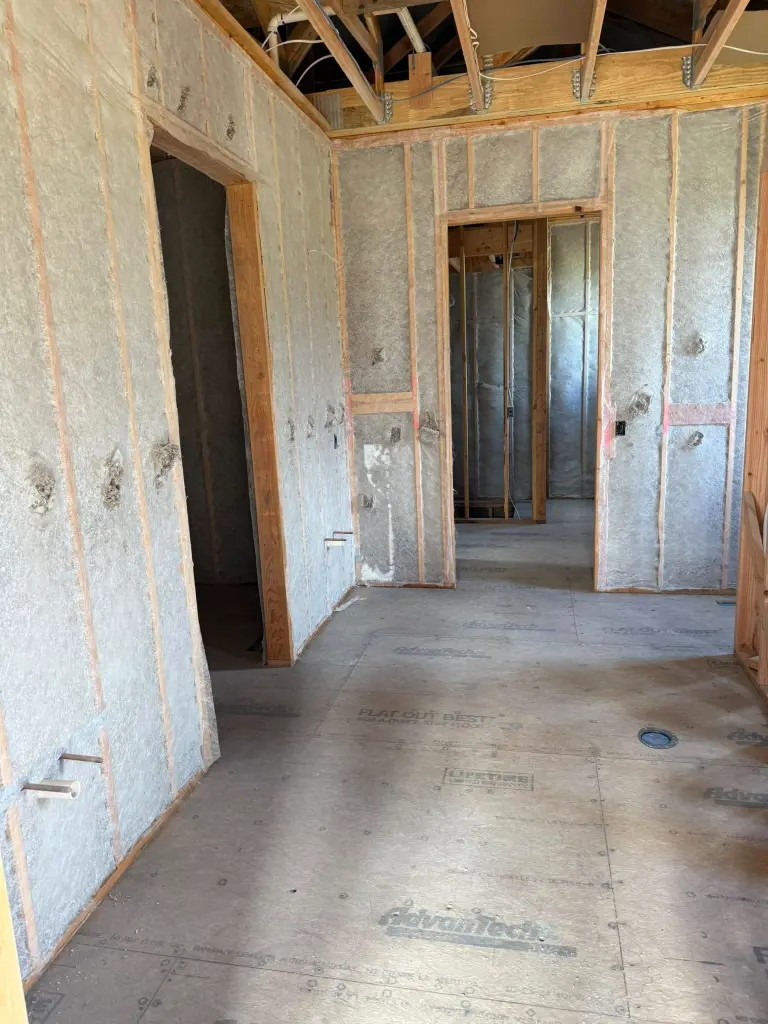
Cellulose insulation consists of recycled paper products, primarily newsprint, treated with fire-retardant chemicals. It’s typically installed as loose-fill using blowing equipment.
Advantages:
Disadvantages:
Cellulose excels in attics with irregular shapes, existing walls (through dense-packing), and for homeowners prioritizing environmental considerations.
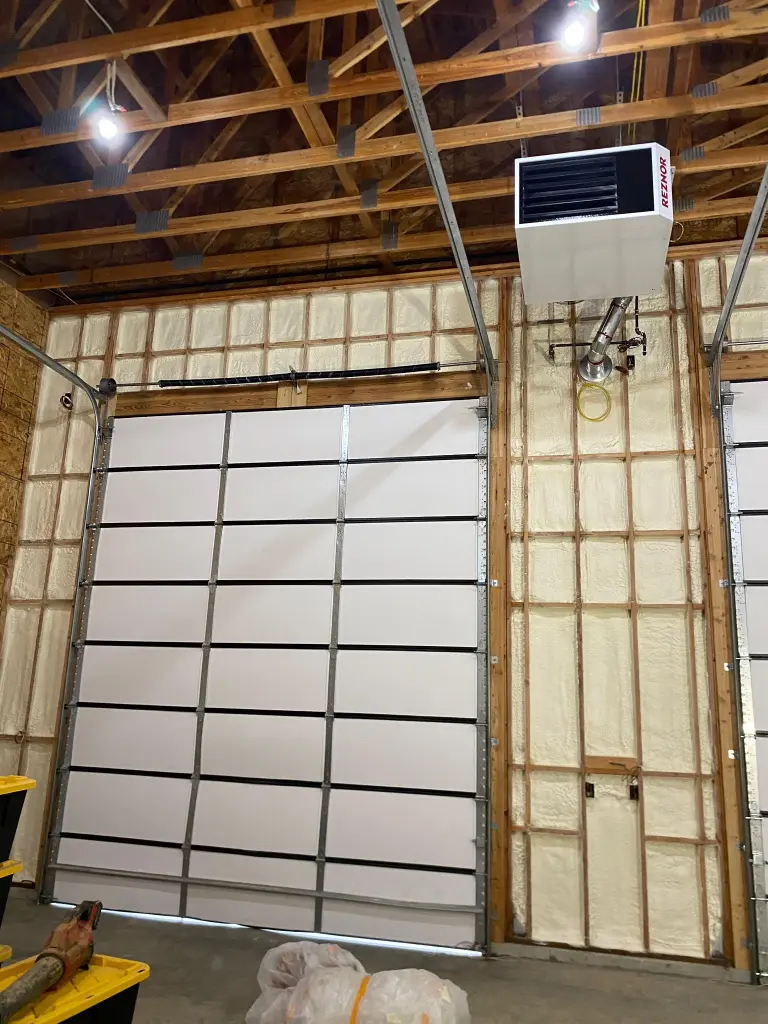
Spray foam insulation has gained popularity for its superior performance and air-sealing properties. It comes in two main varieties: open-cell and closed-cell.
Open-cell spray foam:
Closed-cell spray foam:
Advantages of spray foam:
Disadvantages:
Spray foam works best for new construction, major renovations, metal buildings, and applications where air sealing is particularly important.
Mineral wool, also known as rock wool or slag wool, is made from natural minerals like basalt or recycled industrial slag. It’s available in batts, boards, and loose-fill forms.
Advantages:
Disadvantages:
Mineral wool shines in applications requiring fire resistance, sound dampening, and moisture resistance, such as between townhouses, in home theaters, and around fireplaces or wood stoves.
Rigid foam boards come in three main types: expanded polystyrene (EPS), extruded polystyrene (XPS), and polyisocyanurate (polyiso).
EPS (Expanded Polystyrene):
XPS (Extruded Polystyrene):
Polyiso (Polyisocyanurate):
Advantages of rigid foam:
Disadvantages:
Rigid foam works exceptionally well for exterior insulation, basement walls, crawl spaces, and under concrete slabs.
| Material Type | R-Value per Inch | Best Applications | Installation Difficulty |
|---|---|---|---|
| Fiberglass | R-3.2 – R-3.8 | Standard walls, attics, and crawl spaces | Easy to Moderate |
| Cellulose | R-3.6 – R-4.0 | Attics, existing walls, and eco-friendly projects | Moderate to Difficult |
| Open-Cell Foam | R-3.5 – R-4.0 | Interior walls, soundproofing, air sealing | Difficult (Professional) |
| Closed-Cell Foam | R-6.5 – R-7.0 | Metal buildings, basements, and high moisture areas | Difficult (Professional) |
| Mineral Wool | R-3.8 – R-4.5 | Fire barriers, soundproofing, and moisture-prone areas | Moderate |
| Rigid Foam | R-3.6 – R-7.0 | Exterior walls, foundations, and continuous insulation | Moderate to Difficult |
Expert Tip: Don’t just focus on R-value when comparing insulation types. Consider factors like air sealing ability, moisture resistance, fire performance, and environmental impact for a complete picture of which insulation will work best for your specific situation.
Even the best insulation material will perform poorly if installed incorrectly. Proper installation is just as important as material selection for achieving energy efficiency and comfort.
Batts and rolls require careful cutting and fitting around obstructions. Common installation mistakes include:
Proper installation steps:
Loose-fill insulation requires specialized equipment and knowledge about proper density. Key considerations include:
Expert Tip: When installing loose-fill insulation in attics, create baffles around soffit vents before insulating. These baffles maintain proper airflow from your soffit vents to the ridge vent, preventing ice dams and roof damage Building Science Corporation.
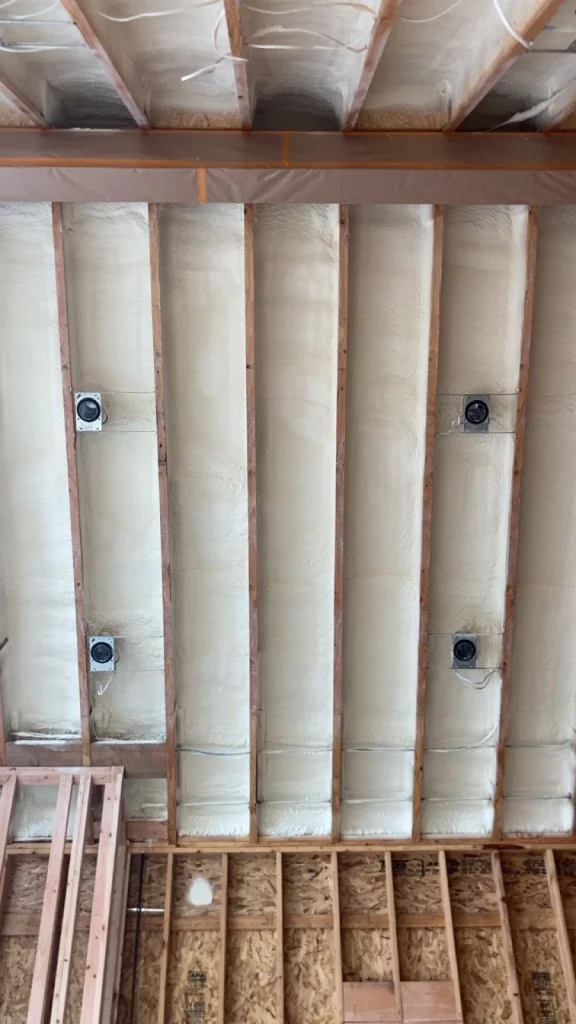
Spray foam insulation always requires professional installation. Professional installers:
Homeowners should never attempt DIY spray foam installation due to health risks from chemicals and the specialized equipment required.
Selecting the best insulation depends on multiple factors, including climate, application, budget, and specific performance needs. Here’s how to approach the decision-making process.
The Insulation Institute divides the country into climate zones, each with recommended R-values for different parts of your home.
Northern/Cold Climates (Zones 5-8):
Mixed/Humid Climates (Zones 3-4):
Hot/Humid Climates (Zones 1-2):
Attics:
Walls:
Basements and Crawl Spaces:
Insulation costs vary widely based on material type, installation method, and project scope. Understanding both upfront costs and long-term savings helps you make informed decisions.
Low-cost options
Mid-range options
High-end options
The payback period for insulation improvements typically ranges from 2-10 years, depending on:
Beyond direct energy savings, proper insulation provides:
Even with the best materials and intentions, common insulation mistakes can significantly reduce performance. Here are the most frequent issues and how to prevent them.
Gaps and Compression:
Vapor Barrier Confusion:
Covering Ventilation:
Ignoring Climate:
Focusing Only on R-Value:
Value Engineering Gone Wrong:
Coordinating with Other Trades:
Building Envelope Continuity:
Key Takeaways: Avoiding Insulation Mistakes
The insulation industry continues evolving with new materials, improved installation methods, and a greater understanding of building science. Staying informed about these trends helps you make future-proof decisions.
Aerogel Insulation:
Vacuum Insulated Panels (VIPs):
Bio-based and Natural Insulations:
Phase-Change Materials (PCMs):
Integrated Sensor Systems:
Improved Application Methods:
Automated Quality Control:
You now have a comprehensive understanding of insulation options, installation methods, and decision-making factors. The right insulation choices can significantly reduce your energy costs, improve comfort, and increase your home’s value.
Start by assessing your current situation:
Remember that insulation works as part of a complete system. Air sealing, proper ventilation, and moisture management all work together with insulation to create an efficient, comfortable, and durable home. Focus on addressing these issues together rather than in isolation.
Use this guide as a reference as you plan and execute your insulation project. The right decisions now will pay dividends for decades through lower energy bills, improved comfort, and reduced environmental impact.
Making the right insulation decisions requires understanding your specific needs, local climate conditions, and building science principles. While this guide provides comprehensive information, every home presents unique challenges that benefit from professional assessment.
Selkirk Energy Solutions offers comprehensive insulation evaluations and installation services throughout Idaho. Our team can help you identify the most cost-effective insulation upgrades for your specific situation, ensuring you get the maximum benefit from your investment. For personalized guidance, contact us at [email protected] or call (208) 295-9780 to schedule an insulation assessment.
Recommended R-values vary by climate zone and application. For attics in most areas, DOE recommends R-49 to R-60. For walls, recommendations range from R-13 to R-21 depending on your climate zone and construction method. Always check local building codes as minimum requirements may differ from recommendations.
DIY installation is possible for some materials, like fiberglass batts, particularly in accessible areas like attics. However, for best results and safety, professional installation is recommended for spray foam, dense-pack cellulose, and complex applications. Consider your comfort level, safety equipment needs, and the complexity of your project when deciding.
Look for signs like high energy bills, uneven temperatures between rooms, cold floors in winter, or ice dams on your roof. You can also check the current insulation depth in accessible areas like attics and compare it to the recommended levels for your climate zone. A professional energy audit can provide a comprehensive assessment.
Some insulation types do provide sound-dampening benefits. Open-cell spray foam, mineral wool, and dense-pack cellulose are particularly effective at reducing sound transmission. For serious soundproofing needs, combine insulation with other sound-dampening techniques like resilient channels and multiple layers of drywall.
Most insulation materials last the lifetime of the building when properly installed. Fiberglass, mineral wool, and spray foam don’t degrade or lose performance over time. Cellulose may settle slightly over many years, but it maintains most of its R-value when properly installed. Issues typically arise from moisture damage or improper installation rather than material degradation.
Yes, in most cases, you can add new insulation over existing material, particularly in attics. However, if existing insulation is moisture-damaged, moldy, or contains vermiculite (which may contain asbestos), it should be removed first. For retrofit wall insulation, blowing new material into existing walls doesn’t disturb what’s already there.