
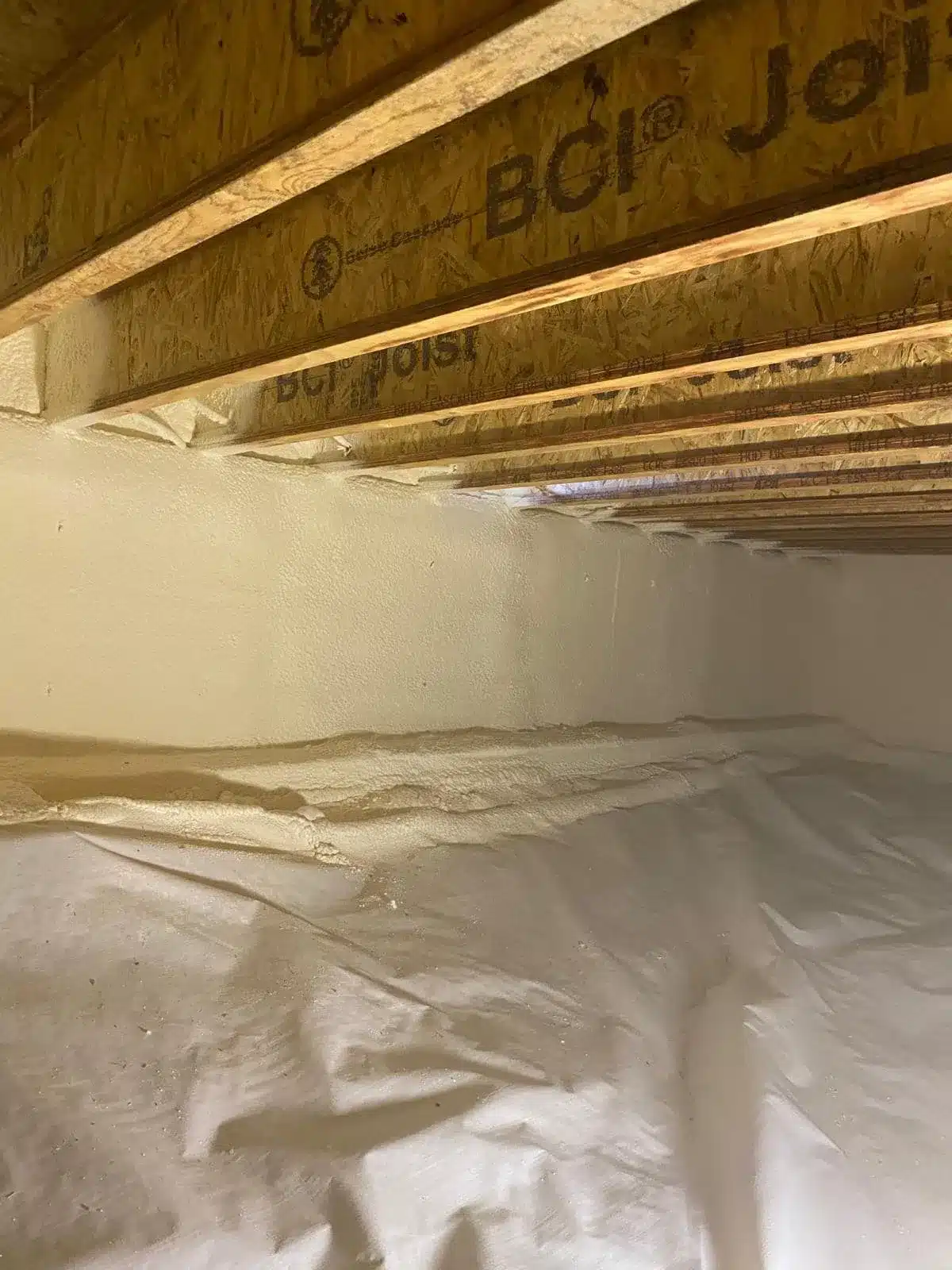
If you have noticed a musty smell in your home, cold floors, or signs of moisture under your house, your crawl space may be the culprit. Professional crawl space encapsulation is a system designed to seal, dehumidify, and insulate this area, turning a damp, unconditioned space into a dry, protected part of your home’s envelope. By managing moisture at the source, you can prevent structural rot and improve the air quality inside your living areas.
Most homeowners first look into crawl space issues because of uncomfortable temperatures or odors. However, the physical reality of how your home breathes makes this area much more significant than just a "storage" space. This process is governed by a principle known as the stack effect, which describes how air enters at the bottom of your house and rises to the top.
When your crawl space is damp, that moisture doesn't stay there. As warm air rises through the home, it pulls air from the crawl space up through floor joists and wall cavities. If that air is humid, it brings mold spores, dust mites, and odors into your living room and bedrooms. Find our insulation company on Google Maps to learn more about our business. Encapsulation breaks this cycle by stopping the moisture at the foundation, which protects your home's structural integrity and keeps your HVAC system from working harder than it needs to.
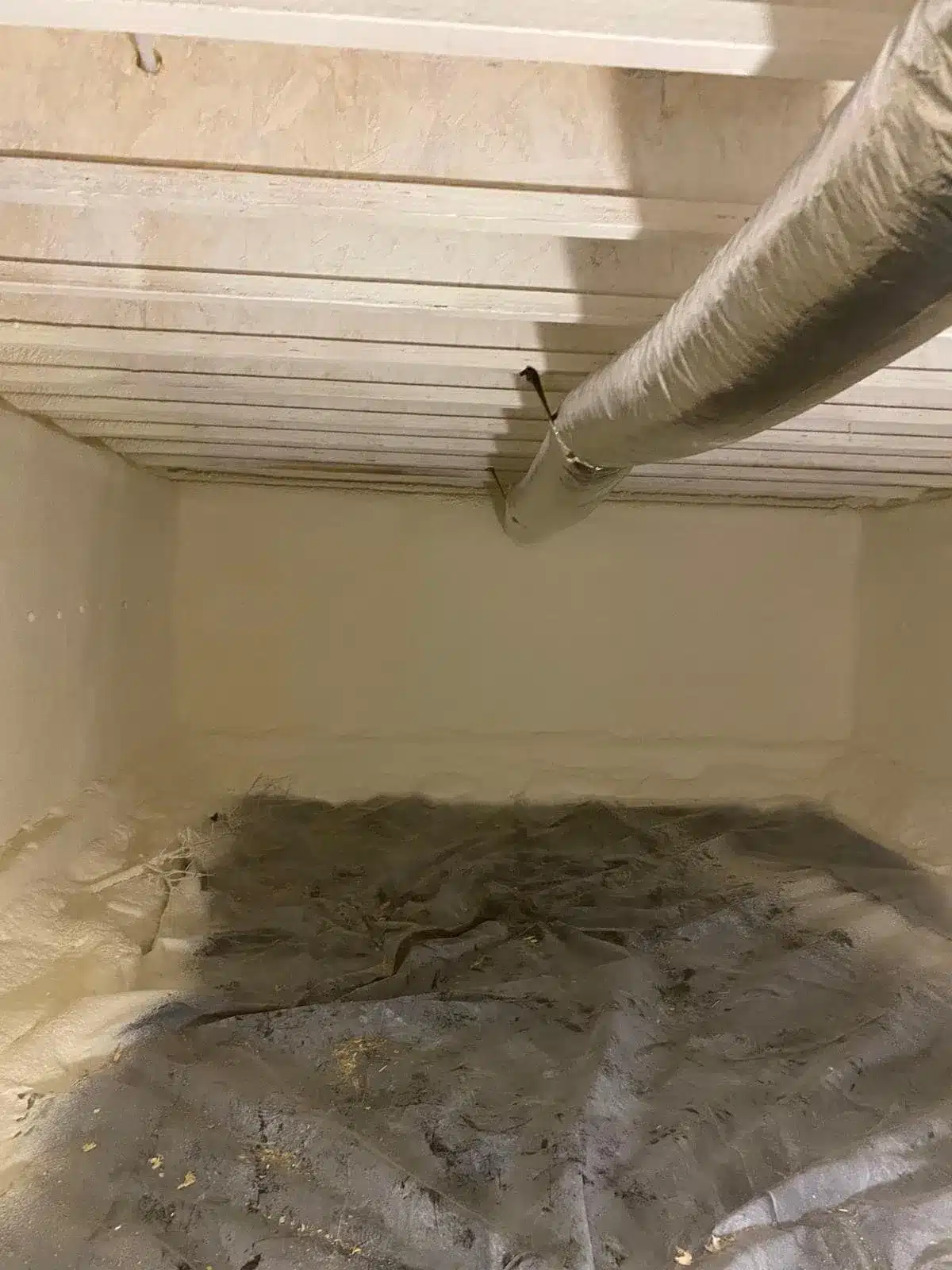
True encapsulation goes beyond simply laying plastic on the ground. A professional installation involves several integrated components that work together to control the environment under your home.
Homeowners often ask if the cost is justified, especially given that Crawl Space Encapsulation Cost is a significant project investment. When deciding if this is the right move for your home, consider the long-term trade-offs.
While the upfront cost is higher than a simple cleanup or a basic plastic sheet, the return comes in the form of reduced repair costs and energy efficiency. Structural wood rot caused by prolonged moisture can cost thousands of dollars to fix if floor joists and subfloors are compromised. When you choose to encapsulate, you are essentially buying an insurance policy for your home’s foundation. Furthermore, keeping your crawl space dry can significantly lower your energy bills because your HVAC system no longer has to condition air that is constantly being compromised by damp, cold, or humid air rising from beneath your feet.
Before we begin any sealing project, we must prioritize the safety of your home. Encapsulating a space changes how air moves, and that can have unintended consequences if the home isn't prepared correctly.
Bonners Ferry presents unique challenges that generic, national-level advice often misses. Our region deals with heavy seasonal snowmelt and a high water table that can turn a crawl space into a drainage basin during the spring.
Standard encapsulation will fail if water is actively pooling in your crawl space. Before we can seal the area, we often need to address the drainage around your foundation. This may include installing a sump pump or exterior French drains to divert water away from the structure. Ignoring these drainage issues is the most common reason Crawl Space Moisture Protection systems fail in Northern Idaho. Official recommendations from the U.S. Department of Energy emphasize that managing exterior water is the first step in successful insulation and moisture control.
If you are ready to address the moisture and air quality issues in your home, a professional assessment is the best first step. Selkirk Energy Solutions specializes in home energy and structural health in the Bonners Ferry area, and we understand the specific conditions that impact local crawl spaces.
If you are searching for a qualified Crawl Space Encapsulation Contractor, we are here to help. Call us at (208) 295-9780 or email [email protected] to schedule an inspection. We will evaluate your crawl space and provide a clear, honest assessment of what your home needs to stay dry and healthy year-round.
Most professional installations take between two to four days, depending on the size of the space and the amount of prep work, such as drainage or mold remediation.
While not a primary pest-control service, sealing the crawl space removes the damp, dark conditions that attract rodents, insects, and other pests, making your home much less inviting.
If your crawl space has a history of standing water or poor drainage, a sump pump is often necessary to manage groundwater and keep the area dry enough for the vapor barrier.
No. A vapor barrier is just the plastic liner. Full encapsulation includes sealing the walls and vents, plus adding a dehumidifier to actively control the humidity levels.
While you can purchase materials, DIY encapsulation often misses critical steps like combustion safety, radon mitigation, and proper drainage, which can lead to costly structural damage.