

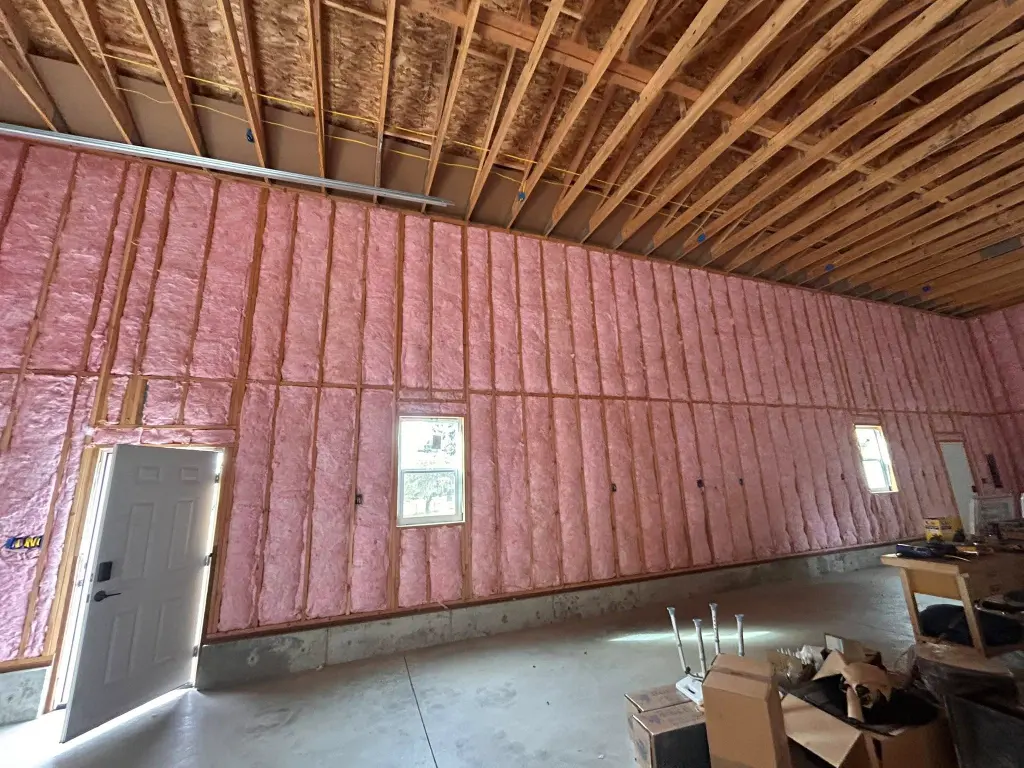
Nestled in the heart of the Kootenai River Valley, Bonners Ferry serves as a picturesque gateway between the United States and Canada. This charming city is surrounded by three majestic mountain ranges, the Selkirk, Cabinet, and Purcell mountains—creating a landscape that is as rugged as it is beautiful. Known historically as a vital river crossing during the gold rush era, the area has evolved into a vibrant community that celebrates its rich agricultural roots and logging history. While the "International Gateway" offers residents and visitors a unique blend of small-town hospitality, the local climate demands resilient structures. To maintain modern comfort standards amidst the biting cold of winter and the heat of summer, homeowners rely heavily on high-quality fiberglass insulation to protect their properties.
Life in Boundary County is defined by its distinct four-season climate. Summers can bring intense heat to the valley floor, while winters are known for heavy snowfall and freezing temperatures. This geographical bowl traps cold air during the winter months, making thermal regulation a top priority. The historic architecture found downtown and the sprawling ranch properties along the river require specific attention to ensure consistent indoor temperatures.
Imagine waking up on a frigid January morning, placing your feet on the floorboards, and feeling nothing but warmth instead of that stinging chill. Selkirk Energy Solutions turns that vision into reality for homeowners in Bonners Ferry and the surrounding areas. Professional fiberglass insulation installation does more than just lower your monthly utility expenses; it transforms your living space into a fortress of comfort and safeguards your family’s health against the harsh external elements. By fortifying your home’s thermal envelope, you actively reduce your carbon footprint while enjoying a consistent indoor climate regardless of the storm raging outside.
The unique geography of Bonners Ferry creates specific challenges for maintaining internal building temperatures. Cold air settles into the valley floor, creating temperature inversions that can keep homes freezing for days on end. Without adequate barriers, the heat generated by your furnace escapes rapidly through the roof and walls. Installing high-quality insulation acts as a thermal blanket that stops this heat transfer in its tracks.
Modern fiberglass products have evolved significantly from older iterations. Today, they offer superior density and thermal performance. Because space in wall cavities is often limited, the fiberglass insulation R-value per inch becomes a vital metric; higher quality products provide greater resistance to heat flow without requiring extra thickness. A properly insulated home requires less energy to heat in the winter and less energy to cool in the summer. According to the Department of Energy, proper insulation combined with air sealing can save homeowners an average of 15% on heating and cooling costs.
Investing in professional insulation services is one of the most cost-effective ways to upgrade your property. Whether you are constructing a new home near the refuge or retrofitting an older farmhouse, the goal remains the same: stabilizing your indoor environment. Fiberglass is incredibly versatile, available in pre-cut batts for standard stud spacing or as loose-fill blowing wool that can reach deep into odd-shaped crevices in attics and crawl spaces.
Materials:
Feature | Poorly Insulated Home | Home with Upgraded Fiberglass |
Temperature Consistency | Hot upstairs, cold downstairs | Even temperature throughout |
HVAC Runtime | Constant cycling on/off | Runs efficiently and less often |
Sound Control | Traffic and wind noise are audible | Muffled exterior noise, quieter rooms |
Moisture Risk | High condensation potential | Reduced risk of condensation/mold |
Monthly Bills | Unpredictable and high | Lower and consistent |
Choosing the right fiberglass insulation R-value (the measure of thermal resistance) is critical for this region. Local building codes suggest specific minimums, but exceeding these standards often yields better long-term results. Selkirk Energy Solutions evaluates the specific orientation and construction of your building to recommend the optimal density.
Beyond temperature regulation, fiberglass plays a crucial role in acoustic dampening and moisture management. Many homeowners are surprised to learn about the effectiveness of fiberglass insulation for sound deadening. The fibrous structure of the material naturally absorbs sound waves, significantly reducing the noise transmission between rooms and from the outdoors.
For homes located near Highway 95 or the active rail lines running through Boundary County, this specific fiberglass insulation sound reduction capability creates a serene and peaceful interior atmosphere. You gain a sanctuary where outside clamor does not intrude on your relaxation. Moisture control is another benefit; when installed with correct vapor retarders, fiberglass creates a breathable yet resistant barrier that prevents moisture buildup, protecting the structural integrity of your real estate investment.
Installing fiberglass insulation suits a wide array of application needs, from open attics to enclosed wall cavities. Loose-fill fiberglass is particularly effective for "topping off" existing insulation in older homes. The blowing machine fluffs the material, adding millions of tiny air pockets that increase thermal resistance without adding significant weight to the ceiling drywall. This method is non-invasive and can often be completed in a single day.
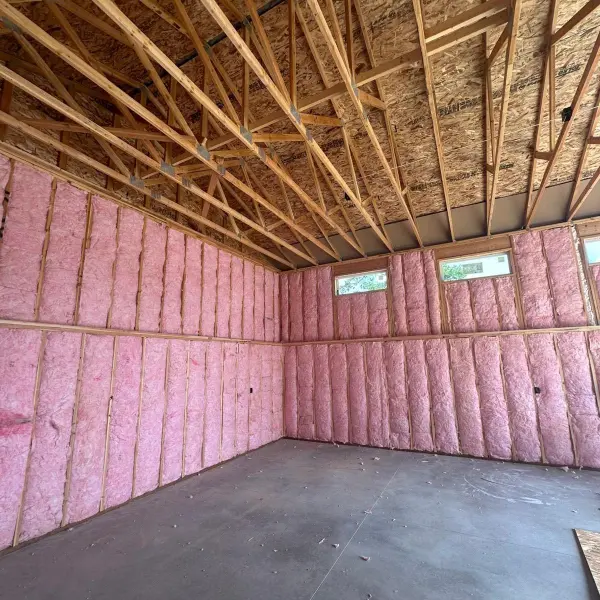
Batt insulation remains the standard for open wall cavities during renovations or new construction. It fits snugly between studs, joists, and beams. Precision cutting ensures that electrical boxes and wiring are accommodated without compressing the fiberglass, which would lower its R-value. Professional installation guarantees that the material performs to its manufactured specifications.
Applications:
Homes in Bonners Ferry face distinct environmental stressors compared to other parts of the state. The proximity to the Kootenai River introduces humidity levels that can affect how insulation performs over time. Furthermore, the wind patterns coming off the Selkirk Mountains can drive cold air into the smallest cracks. An approach that works in a dry southern climate will not suffice here. Solutions must focus on establishing a tight thermal envelope that accounts for heavy snow loads on roofs and the potential for ice damming.
The Riverside Retrofit: A 1970s split-level home near the Kootenai National Wildlife Refuge struggled with high propane bills and drafty bedrooms. The homeowners reported ice dams forming every winter. An assessment revealed insulation had settled to R-11, far below the recommended R-49. Selkirk Energy Solutions performed an air sealing service followed by blowing in fresh fiberglass to reach R-60. Result: The following winter, the homeowners reported a 25% reduction in fuel usage and the complete elimination of ice dams on the north side of the roof.
Don't let another season pass with high energy bills and uncomfortable drafts. Selkirk Energy Solutions provides the expertise and high-quality materials needed to secure your home against the elements. Contact Selkirk Energy Solutions at (208) 295-9780 or email [email protected] to tighten your home’s envelope today.
Fiberglass insulation is incredibly durable and can last upwards of 80 to 100 years if it remains dry and is not disturbed, often outlasting the building itself.
For the Bonners Ferry climate zone, the Department of Energy generally recommends an R-value between R-49 and R-60 for optimal thermal efficiency in attics.
Yes, in many cases, loose-fill fiberglass can be blown directly over existing material, provided the old insulation is dry and free from mold or pest damage.
Modern fiberglass is manufactured without formaldehyde and is safe when contained behind walls or in attics; it is fire-resistant and does not promote mold growth.
Absolutely; insulation slows heat transfer in both directions, keeping hot attic air from penetrating your living space and reducing the load on your air conditioner.