

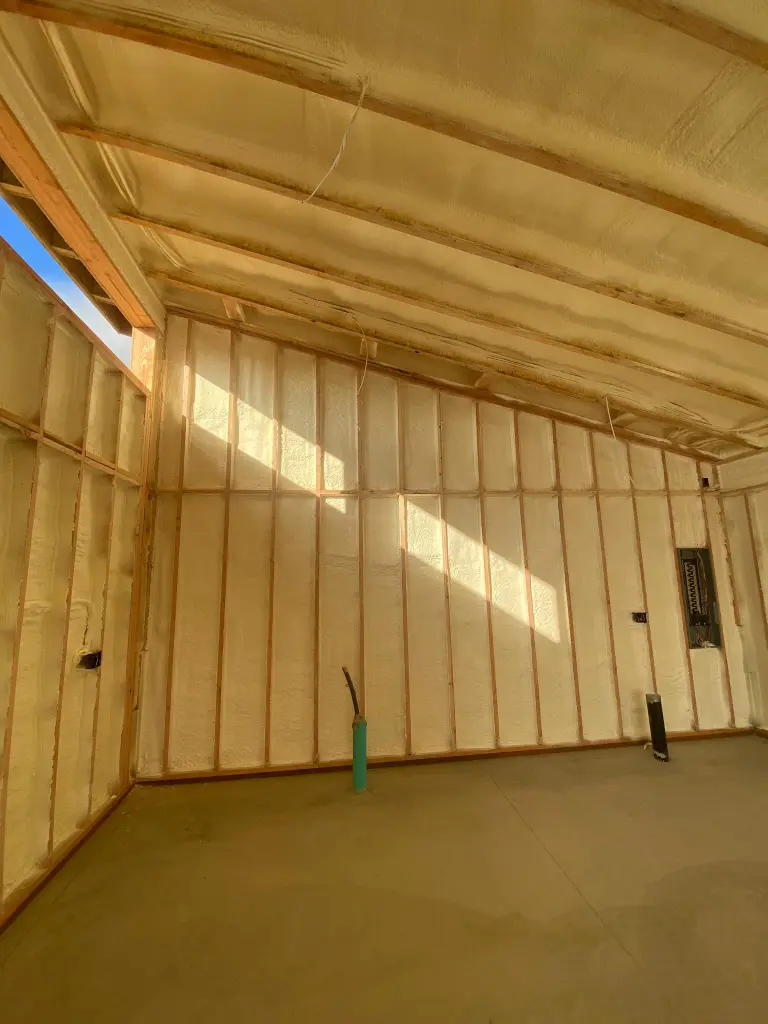
Spray foam insulation maintains fresher indoor air year-round by creating an airtight seal that prevents outside pollutants, allergens, and moisture from entering your home while controlling humidity levels that support cleaner air quality. This advanced insulation method goes beyond traditional materials by filling gaps and cracks that typically allow airborne contaminants to infiltrate living spaces, resulting in consistently healthier indoor environments regardless of seasonal changes. The following details explain how this technology works and why it has become increasingly important for modern homes.
Selkirk Energy Solutions has observed significant improvements in indoor air quality for hundreds of homes using spray foam insulation, with homeowners reporting fewer allergy symptoms and reduced dust accumulation. The airtight properties combined with proper ventilation systems create a controlled indoor environment where air quality can be actively managed rather than left to chance through typical building construction methods.
Spray foam insulation works through a chemical reaction that expands to fill every opening in your home’s envelope, creating a continuous barrier against air movement. Unlike traditional fiberglass or cellulose insulation, spray foam doesn’t leave gaps where air can leak through. This complete seal prevents outdoor pollutants like pollen, dust, vehicle exhaust, and industrial contaminants from entering your living spaces. The material also blocks moisture infiltration, which reduces the growth conditions for mold and mildew that can compromise air quality and cause respiratory issues.
The insulation’s cellular structure traps air in tiny closed cells, providing both thermal resistance and air barrier properties in one application. This dual function means your HVAC system can more effectively filter and circulate air without constantly battling uncontrolled air leaks. According to research from the U.S. Environmental Protection Agency, proper air sealing combined with mechanical ventilation can reduce indoor pollutant concentrations by 30-50% compared to typical homes.
Two main types of spray foam insulation serve different needs for indoor air quality management. Open-cell spray foam remains semi-permeable to moisture vapor, allowing your home to breathe while still blocking air movement. This type works well in interior applications where some moisture transfer is beneficial. Closed-cell spray foam creates a complete vapor barrier in addition to its air sealing properties, making it ideal for exterior walls, foundations, and areas where moisture control is critical.
The choice between these types depends on your climate and specific home construction. In regions with high humidity, closed-cell foam provides superior moisture protection that prevents the conditions leading to mold growth. In drier climates, open-cell foam offers sufficient air sealing while maintaining some breathability that can help with moisture management. Both types significantly improve indoor air quality compared to traditional insulation methods Building Science Corporation.
| Insulation Type | Air Leakage Prevention | Moisture Control | Mold Resistance | Air Quality Impact |
|---|---|---|---|---|
| Spray Foam | Complete seal, fills all gaps | Excellent (closed-cell) or Good (open-cell) | High, no organic material | Superior, blocks outdoor pollutants |
| Fiberglass | Poor, leaves gaps | Poor, absorbs moisture | Low, supports mold growth when wet | Minimal protection against air pollutants |
| Cellulose | Moderate, can settle | Poor, absorbs moisture | Moderate, treated with chemicals | Limited protection against air pollutants |
| Rigid Foam Boards | Good, seams may leak | Variable by type | High | Good but requires careful sealing |
The market for spray foam insulation has grown significantly as homeowners become more aware of indoor air quality issues. Data fromMarketsandMarkets shows the global spray foam insulation market is expected to reach billions by 2026, with residential applications driving much of this growth. This expansion reflects increasing recognition of the connection between proper air sealing and healthier indoor environments.
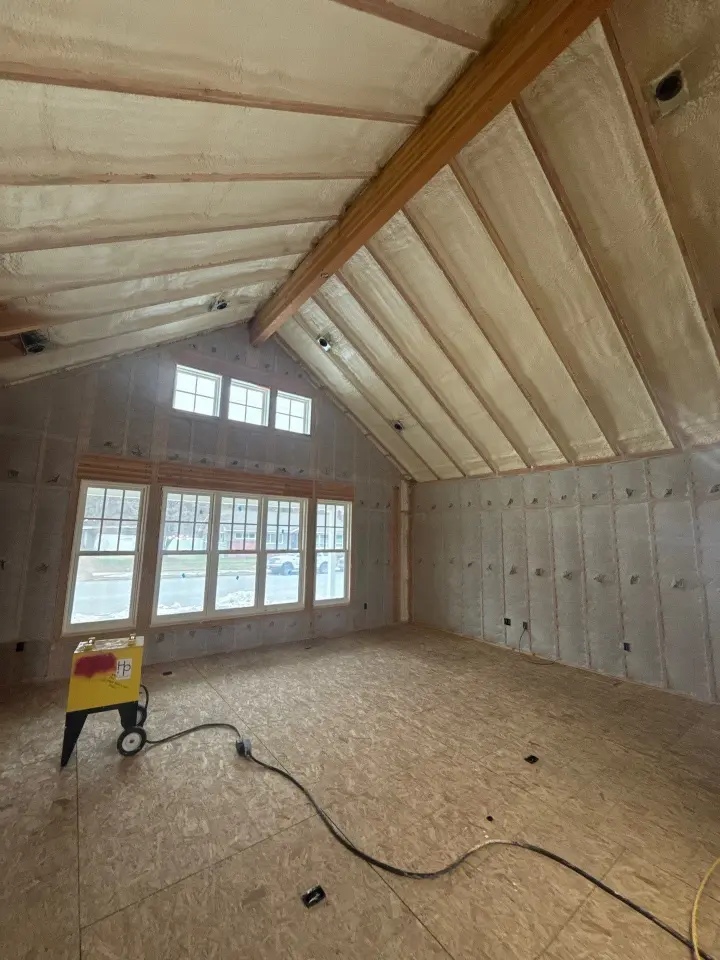
Professional installation quality directly affects both air sealing performance and potential off-gassing concerns. Improperly mixed or applied spray foam can release volatile organic compounds (VOCs) during curing and for some time afterward. Always work with certified installers who follow proper safety protocols and use low-VOC formulations. The installation process requires appropriate ventilation and may temporarily displace occupants from the treated areas.
Your home’s existing ventilation system should be evaluated before adding spray foam insulation. While preventing unwanted air infiltration is beneficial, your home still needs controlled fresh air exchange. Most modern homes with spray foam require mechanical ventilation systems like heat recovery ventilators (HRVs) or energy recovery ventilators (ERVs) to maintain healthy indoor air quality. These systems ensure regular fresh air intake while preserving the energy efficiency gained from air sealing.
Budget considerations extend beyond initial installation costs. While spray foam typically costs 2-3 times more than traditional insulation, the long-term benefits include reduced energy bills, improved air quality, and increased home value. The investment often pays for itself within 5-7 years through energy savings alone, with additional health benefits that are harder to quantify but equally valuable.
Climate zones significantly impact how spray foam affects indoor air quality. In hot, humid regions like the southeastern United States, closed-cell spray foam on exterior walls prevents moisture-laden air from entering wall cavities where it could condense and support mold growth. This barrier effect reduces mold spore circulation throughout your home, directly benefiting indoor air quality.
In colder northern climates, spray foam prevents warm, moist indoor air from escaping into wall cavities where it could cause condensation and ice formation during winter months. This dual protection maintains dry, healthy building materials that don’t contribute to indoor air problems. The material’s ability to maintain consistent indoor humidity levels also reduces conditions favorable to dust mite populations and other allergens.
Install a high-quality air purification system to complement the air sealing provided by spray foam. Even with reduced infiltration, indoor pollutants from cooking, cleaning products, and occupant activities need effective removal. True HEPA filters combined with activated carbon filters address both particulate matter and VOCs for comprehensive air quality improvement.
Choose low-VOC or zero-VOC spray foam formulations when available. While properly cured spray foam is inert and safe, selecting products with lower chemical emissions during installation minimizes initial air quality impacts. Most manufacturers now offer formulations specifically designed for improved indoor air quality performance.
Schedule regular HVAC maintenance after installing spray foam insulation. Your heating and cooling system will operate differently with reduced air leakage, potentially requiring filter changes and system adjustments to maintain optimal air quality and comfort. Professional HVAC technicians can ensure your system operates efficiently in the changed environment.
Spray foam insulation offers proven benefits for maintaining fresher indoor air throughout the year by creating comprehensive barriers against outdoor pollutants, moisture, and allergens. The material’s ability to seal every crack and gap provides protection that traditional insulation methods simply cannot match. When combined with appropriate mechanical ventilation systems, spray foam creates a controlled indoor environment where air quality can be actively managed rather than left to the randomness of building leakage patterns.
The investment in spray foam insulation delivers returns through improved health outcomes, reduced energy costs, and increased home comfort with insulation. Evaluate your specific situation regarding existing air quality issues, local climate conditions, and budget considerations to determine whether this technology aligns with your long-term home improvement goals.
For homeowners considering spray foam insulation to improve indoor air quality, a professional evaluation helps determine the most appropriate application for your specific situation. Selkirk Energy Solutions provides comprehensive assessments that examine your home’s current air sealing status, ventilation needs, and air quality concerns. Contact [email protected] or call (208) 295-9780 to schedule a detailed evaluation of how spray foam insulation could address your indoor air quality needs in 2026 and beyond.
During installation and curing, spray foam does release some VOCs and odors. However, properly installed modern formulations cure quickly and become inert within 24-72 hours. Using low-VOC products and ensuring proper ventilation during installation minimizes any temporary air quality effects.
Spray foam provides significantly better protection for allergy sufferers by preventing outdoor allergens from entering through building cracks and gaps. Traditional insulation offers little air sealing, allowing continuous pollen, dust, and other allergen infiltration. The reduced dust accumulation in homes with spray foam also improves conditions for those with respiratory sensitivities.
Only if installed without proper ventilation planning. Modern building science recognizes that air-tight homes need controlled mechanical ventilation. Most spray foam installations should include heat recovery ventilators or similar systems to ensure regular fresh air exchange while maintaining the air quality benefits of sealing.
When properly installed using appropriate low-VOC formulations and with proper ventilation during curing, spray foam is completely safe for all occupants. In fact, the resulting improved indoor air quality often benefits sensitive populations, including children and elderly residents who may be more vulnerable to airborne pollutants.
The air-sealing and moisture-barrier properties of spray foam insulation are permanent for the life of the building material, which typically exceeds 50 years. Unlike traditional insulation that can settle, degrade, or become damaged by moisture, spray foam maintains its air quality protection indefinitely without replacement or maintenance.