

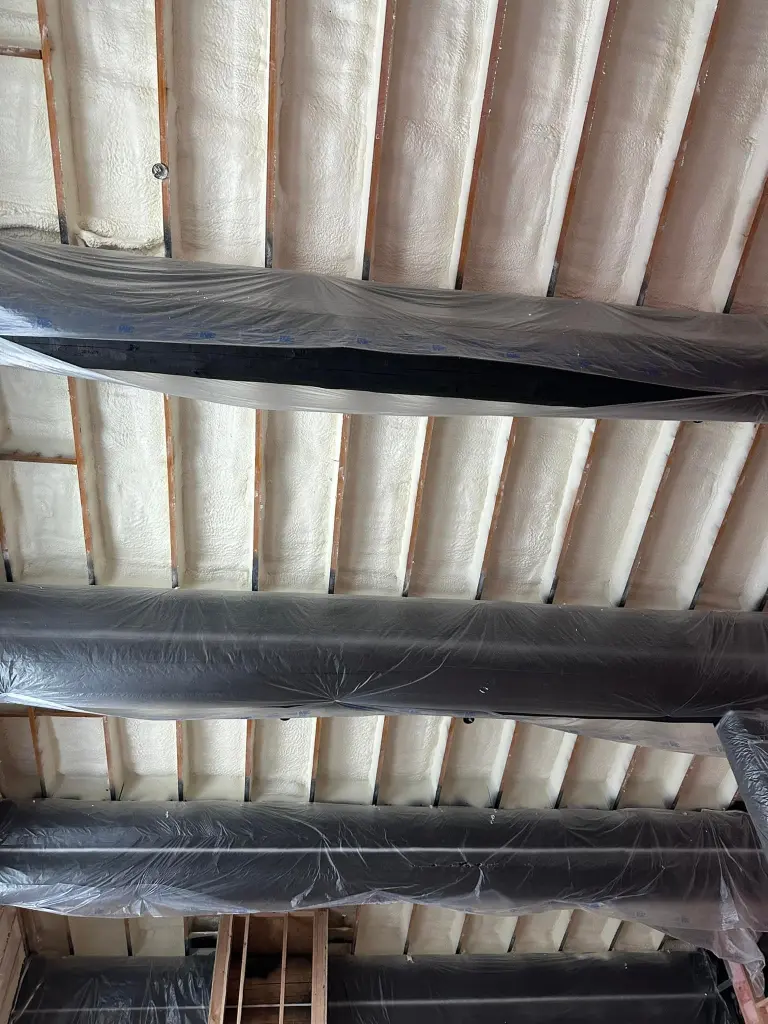
Located within the scenic Kootenai River Valley, Bonners Ferry stands as the central hub of Boundary County. The town’s roots run deep in the timber and farming sectors, tracing back to the 1860s when Edwin Bonner opened his ferry crossing. Today, it serves as a primary entry point to the outdoor adventures offered by the Cabinet and Selkirk mountains. The downtown area preserves a sense of history that mirrors the rugged determination of the local community.
Often called the "International Gateway" of Idaho due to its proximity to Canada, the region faces a diverse four-season climate. Summers are typically warm and dry, while winters bring harsh freezing conditions and heavy snow. This environment demands buildings that can tolerate extreme weather shifts. From historic brick storefronts to expansive agricultural storage facilities, every structure needs protection. To ensure these buildings withstand the Panhandle’s elements, property owners are increasingly turning to durable spray foam roofing insulation.
Imagine the severity of a North Idaho winter, with snow piling up on commercial rooftops and ice dams clogging the drainage systems. As temperatures plummet, heating units struggle to maintain comfort, leaving buildings drafty while utility costs soar. Installing spray foam roof insulation in Bonners Ferry offers a powerful remedy by creating a seamless, watertight barrier that locks in heat. This dual-action solution provides both waterproofing and thermal regulation, turning inefficient structures into energy-smart facilities. It is a practical way to protect your property from the local climate while lowering operational expenses.
Commercial and industrial properties in North Idaho face specific environmental threats. Roofs must support heavy snow loads in winter and resist intense UV rays during summer. Conventional roofing materials often succumb to this thermal shock, resulting in separated seams, corroded fasteners, and water leaks. A spray foam roofing system solves this by expanding to fill every gap and crack, removing the seams that are prone to failure.
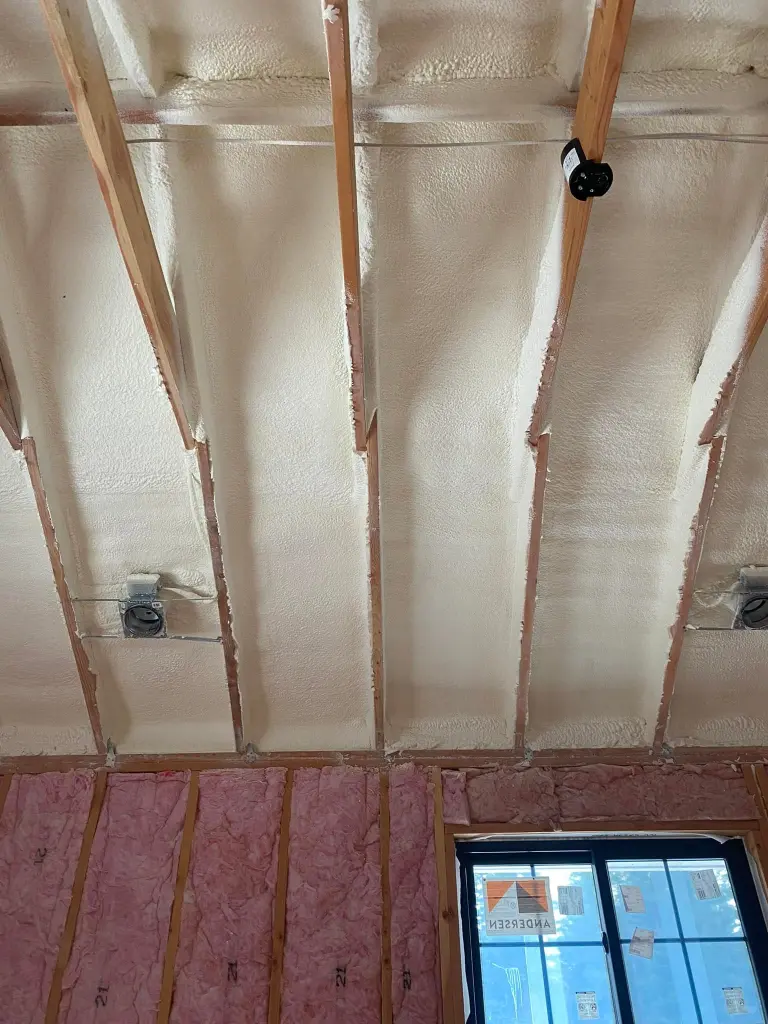
In addition to stopping leaks, this foam adds structural rigidity without burdening the building with excess weight, a crucial benefit for managing snow accumulation. Industry data suggests that closed-cell foam offers an R-value of roughly 6.5 per inch, providing superior thermal resistance. This high level of insulation helps prevent heat loss, thereby stopping ice dams from forming and preserving the building's condition throughout the year.
Materials:
Closed-cell spray foam
The installation of spray foam roofing is a unique process where a liquid mixture is applied to the roof, hardening into a solid layer within seconds. It bonds aggressively to various surfaces, including concrete, built-up layers, and metal. Since it starts as a fluid, it perfectly contours around vents, flashing, and uneven areas, creating a self-sealing barrier. This avoids the need for cutting and gluing sheets, which is often where human error leads to leaks in traditional systems.
After the foam cures, a protective elastomeric topcoat is added to shield the roof from physical wear and sun damage. This coating frequently contains granules for better traction. The system is also sustainable; once the top layer wears down after 15 to 20 years, a new coat can be applied to extend the roof's lifespan indefinitely. This restoration method significantly reduces construction waste entering local landfills.
Applications:
Replacing a commercial roof is a major financial burden that involves stripping away old materials, exposing the interior, and interrupting business. As a specialized roofing insulation contractor, we recommend restoration as a more economical choice for Bonners Ferry business owners. By spraying foam directly over the current roof, you avoid the labor and dumping fees of a full tear-off. This approach upgrades an old, leaky roof into a high-efficiency system at a fraction of the replacement cost.
Feature | SPF Roof Restoration | Traditional Roof Replacement |
Speed | Rapid installation, little disruption | Weeks of noise and construction |
Waste | Zero to minimal debris | Tons of waste sent to the dump |
Insulation | Adds approx. R-6.5 per inch | Requires separate insulation layers |
Integrity | 100% Seamless (Monolithic) | Seams are vulnerable leak points |
Upkeep | Low (Recoat every 15-20 years) | High (Frequent repairs needed) |
Expense | Savings of 30% - 50% | High material and labor costs |
Note: Before starting restoration, a moisture scan is usually performed to ensure the underlying deck is dry, allowing for the removal of any wet areas prior to foam application.
In a region with such drastic seasonal changes, energy efficiency is essential for controlling overheads. Dark-colored commercial roofs absorb solar heat, transferring it inside and forcing AC units to work harder. In winter, valuable heat escapes through the roof. Utilizing spray foam insulation for roof projects, paired with reflective coatings, can repel up to 85% of solar energy.
According to the Department of Energy, "cool roofs" can reduce surface temperatures by as much as 50°F. This thermal shield stabilizes indoor climates in warehouses, offices, and potato cellars. It keeps employees comfortable, protects temperature-sensitive goods, and extends the life of HVAC equipment by reducing cycling. The energy savings realized often cover the cost of the installation within five to seven years.
Structures in Boundary County vary widely, from metal pole barns to downtown retail locations. They all face the risk of water intrusion through loose fasteners and seams. Metal roofs are especially prone to expansion and contraction, which can break seals over time. Our professional roof insulation services provide a flexible solution that moves with the building, maintaining a tight seal where other materials might fail.
Project Highlight: Downtown Retail Fix
Stop wasting funds on temporary repairs and excessive energy bills. Protect your investment with a roof engineered for the Idaho climate by Selkirk energy solutions. Contact us at (208) 295-9780 or [email protected] to arrange a full roof evaluation.
If properly maintained and recoated every 15 to 20 years, a spray foam roof can last indefinitely, effectively matching the life of the building itself.
While upfront costs vary, spray foam is generally more cost-effective because it eliminates tear-off expenses and delivers long-term return on investment through energy savings that rubber roofs cannot match.
Yes, the high-density polyurethane foam used in roofing is durable enough to withstand normal foot traffic for equipment maintenance and inspections.
The application requires specific temperatures for the chemistry to work. Generally, the surface must be dry and above freezing, though special low-temperature blends are available for cooler days.
No, spray foam is extremely lightweight, typically adding less than one pound per square foot. This makes it perfect for restoring older structures without needing extra structural support.