

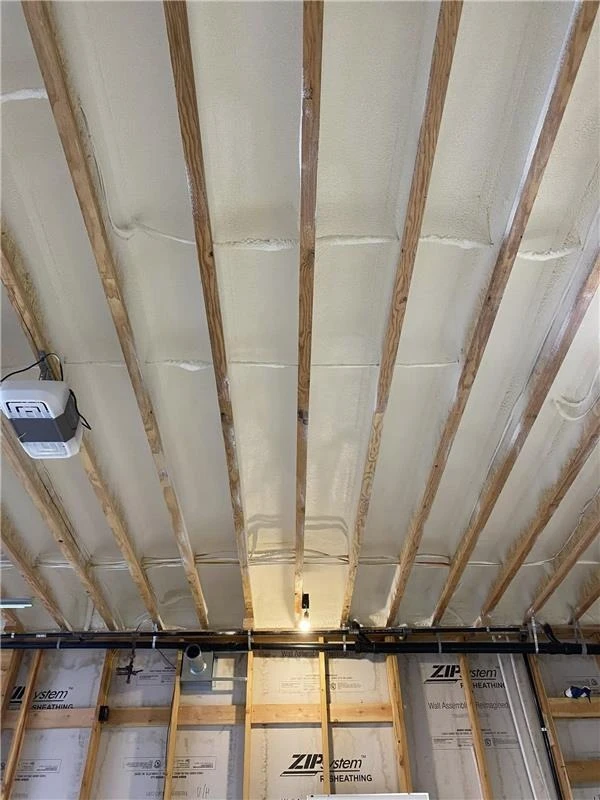
Spray foam is a strong roofing choice for flat and low-slope buildings in northern Idaho, because one continuous layer seals the roof and insulates it at the same time. Our spray foam roofing in Bonners Ferry, ID service at Selkirk Energy Solutions starts with a roof inspection, so you know whether foam, a repair or a different system makes sense before you spend a dollar.
The answer depends on your roof's shape, what's mounted on it, and what it would cost to remove the old surface. Here's how we sort that out with you.
Spray Polyurethane Foam Roofing, called SPF for short, builds one continuous layer across the roof. The Spray Polyurethane Foam Alliance says that layer works as a vapor retarder, weather-resistant barrier, air barrier and continuous insulation, and that it can go over most existing roofs. The alliance also lists the cases where foam has a clear edge:
SPF Roofing Systems aren't the cheapest answer every time. If your roof is sound and leaks in one or two spots, a repair usually costs less, and we'll say so after the inspection. Downtime is often the deciding factor on Commercial Spray Foam Roofing in Bonners Ferry. When a full tear-off would shut down a shop or a sales floor, foam over the existing roof may let you keep working while the job gets done.
NOAA's National Centers for Environmental Information publishes 1991 to 2020 climate normals for the Bonners Ferry station itself. They show 53.8 inches of snow in a normal year, and 53.2 of those inches fall from November through March. January highs average 33.7°F and lows 23.7°F, while July highs reach 84.8°F, so the average July high and January low sit about 61 degrees apart. July and August are the driest months, at 0.64 and 0.53 inches of precipitation. Your roof carries snow and meltwater for roughly five months, and any lap or weak spot can get tested again and again. A continuous foam layer has no laps to open, and it adds insulation at the same time.
The Western Regional Climate Center notes that less than 40 percent of northern Idaho's annual precipitation falls between April and September, so most of the moisture reaches your roof in the cold months. Foam also has to be sprayed in suitable weather, and manufacturers usually set temperature and moisture limits for that. That's why we suggest asking for a quote in spring, so the work can land in the driest part of the year.
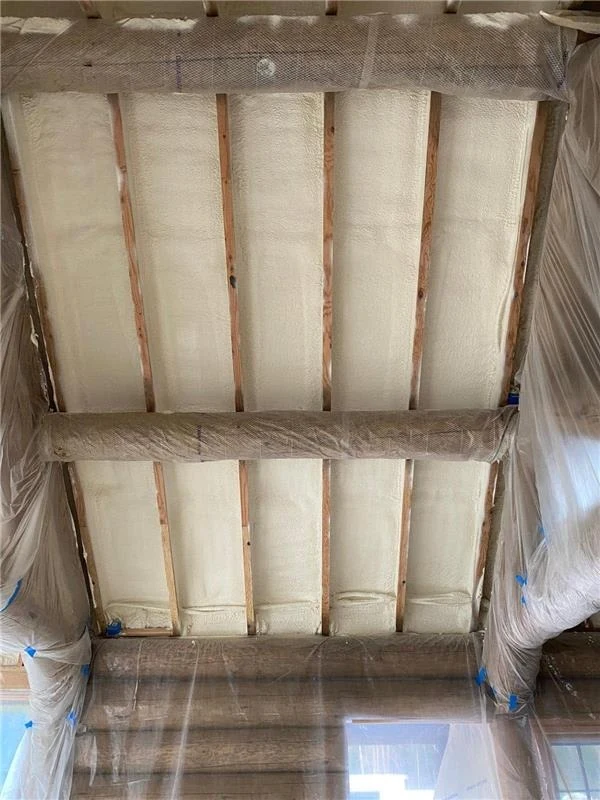
A Spray Foam Roof Installation moves in a set order. The Spray Polyurethane Foam Alliance describes the sequence like this:
Installer training matters here. The alliance recommends that SPF installers be vetted before they work on your roof, so when you hire any Spray Foam Roofing Contractor in Bonners Ferry, ask what training the crew has and what the foam manufacturer requires for the coating.
We don't post a per-square-foot number, because reliable local pricing for Bonners Ferry isn't published and every roof is different. These factors move a quote the most:
Factor | Why it changes the quote |
Roof size and shape | More area and more vents or curbs mean more prep and detail work. |
Deck condition | Wet or damaged areas need repair before foam goes on. |
Foam thickness | More thickness adds insulation and uses more material. |
Coating choice | Coatings differ, and the coating is part of the system. |
Access and timing | Hard-to-reach roofs and tight schedules can change labor needs. |
Compare quotes that include both foam and coating. Selkirk Energy Solutions offers free quotes, so it costs nothing to find out where your roof stands.
We've been in business since March 2018, and we'll give you a straight answer on whether foam, a repair or another approach fits your roof. Call us at (208) 295-9780 or email [email protected], and tell us what you're seeing up there.
Often, yes, once we've checked the deck for wet or damaged spots. If an area needs repair first, we'll tell you.
Not always. A repair usually costs less when the roof is sound and leaks in only a few places.
Flat and low-slope roofs usually fit best, along with roofs that have many vents, curbs or other penetrations.
Spring is ideal, since foam goes down best in drier, milder weather and Bonners Ferry's driest months run from summer into early fall.
Tell us the roof type, its age, where it leaks and how the building is used.