

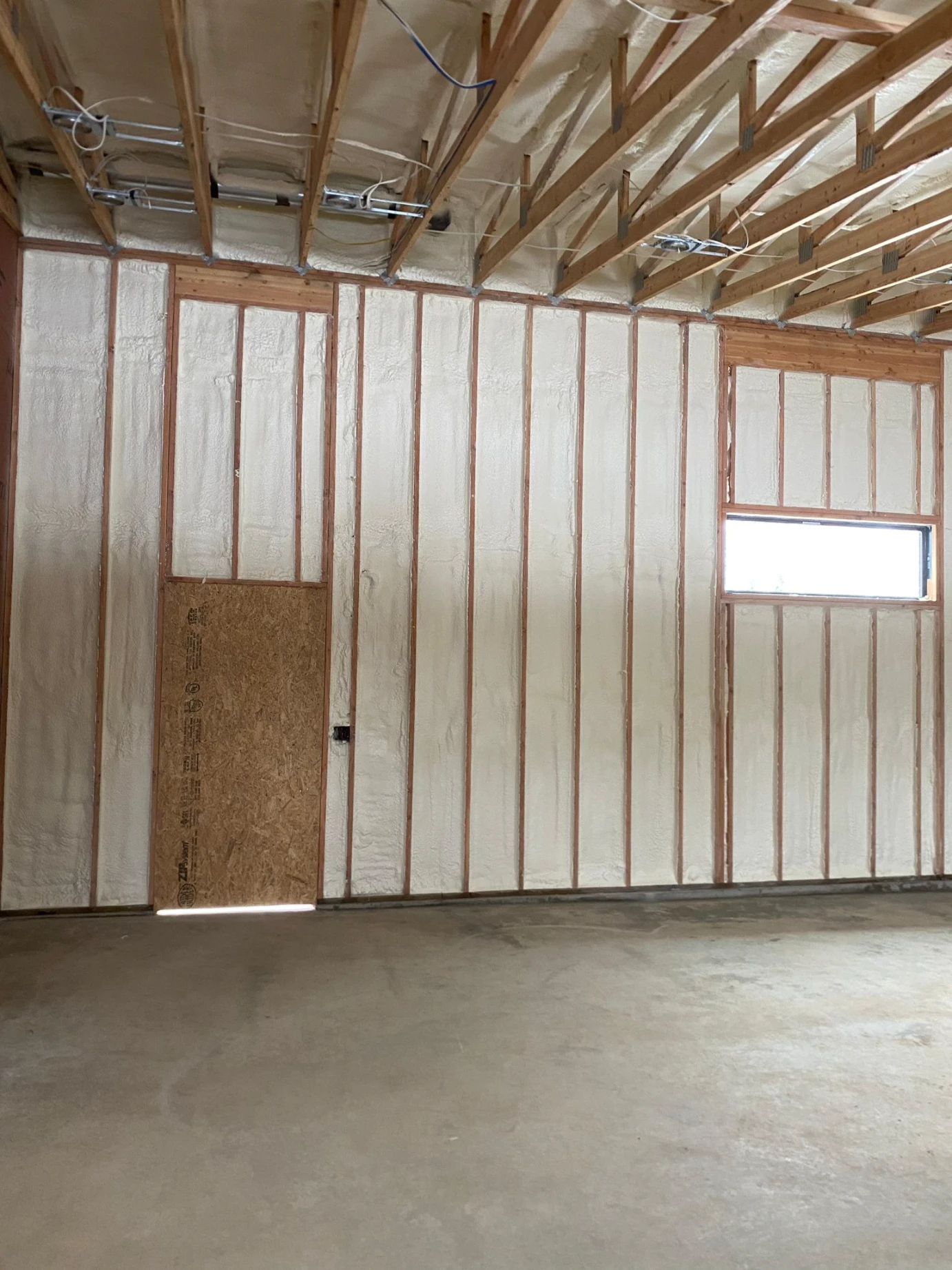
Closed-cell spray foam insulation in Sandpoint, Idaho, typically costs between $1.90 and $2.80 per square foot installed, with most homeowners paying around $2.45 per square foot for standard applications. For a typical 2,000-square-foot home, total project costs range from $3,800 to $5,600, depending on thickness, accessibility, and project scope. The average insulation project in Sandpoint runs between $2,285 and $2,670 according to local cost data from the Idaho Office of Energy Resources, though closed cell spray foam projects often exceed these averages due to the premium nature of the material and the cold climate requirements of North Idaho’s Climate Zone 5. These pricing trends are consistent across the greater North Idaho and Montana region, including nearby areas such as Bonners Ferry, ID; Sandpoint, ID; Libby, MT; Ponderay, ID; Hayden, ID; and Coeur d’Alene, ID.
Closed-cell spray foam insulation represents a premium solution for Sandpoint homeowners seeking superior thermal performance and moisture resistance. Unlike traditional fiberglass batts or blown-in cellulose, closed cell foam creates an air-impermeable barrier while delivering high R-values per inch of thickness.
The pricing structure for closed-cell foam differs from other insulation types because it is measured and sold by board foot rather than square foot alone. One board foot equals one square foot at one inch thickness. According to industry pricing data from the U.S. Department of Energy, closed-cell spray foam costs between $1.15 and $1.75 per board foot for materials, with installed costs reaching $1.90 to $2.80 per square foot depending on application thickness requirements.
| Project Size | Thickness (Inches) | Cost Per Sq Ft | Total Project Range |
|---|---|---|---|
| Small Area (500 sq ft) | 2 inches | $1.90 – $2.45 | $950 – $1,225 |
| Attic (1,200 sq ft) | 2-3 inches | $2.45 – $2.80 | $2,940 – $3,360 |
| Full Home (2,000 sq ft) | 2-3 inches | $2.45 – $2.80 | $4,900 – $5,600 |
| New Construction (2,500 sq ft) | 3 inches | $2.45 – $2.80 | $6,125 – $7,000 |
Sandpoint sits in Climate Zone 5, a designation that brings cold winters with average January lows dropping into the 20s. This climate classification requires higher R-values to maintain comfortable indoor temperatures and manage heating costs effectively. The City of Post Falls Building Department enforces specific insulation requirements for new construction and major renovations that reflect these cold climate demands. Homes throughout the broader region from Coeur d’Alene to Bonners Ferry, and even across the state line in Libby, MT, all face similar insulation challenges due to the shared Climate Zone 5 designation.
Heating represents the largest energy expense for North Idaho homeowners. According to U.S. Department of Energy data, proper insulation can reduce heating costs by up to 30% in cold regions. When homeowners invest in closed-cell spray foam, they address both thermal resistance and air infiltration in a single application, something traditional insulation cannot achieve.
Several variables affect the price you will pay for closed-cell spray foam in the Sandpoint area:
The thickness of foam applied directly impacts cost. Closed-cell foam delivers approximately R-6.5 to R-7 per inch, meaning a 2-inch application provides R-13 to R-14, while a 3-inch application delivers R-19 to R-21. Climate Zone 5 requirements may mandate certain R-values for new construction, which drives minimum thickness needs.
Crawl spaces, tight attics, and areas requiring significant preparation work increase labor costs. Spray foam contractors must access all surfaces with specialized equipment, and difficult working conditions slow production rates.
Larger projects often benefit from economies of scale. Contractors can set up equipment once and complete more square footage efficiently, reducing the per-square-foot cost on substantial jobs compared to small patchwork applications.
Spray foam is petroleum-based, meaning material costs fluctuate with oil prices and supply chain conditions. According to recent pricing data from the National Renewable Energy Laboratory, material costs account for roughly 40% to 50% of total project pricing. Homeowners in areas like Hayden, Ponderay, and Sandpoint, ID often see similar material cost fluctuations since contractors in these nearby communities rely on the same supply chains.
| Insulation Type | Cost Per Sq Ft | R-Value Per Inch | Air Sealing | Best Application |
|---|---|---|---|---|
| Closed Cell Foam | $1.90 – $2.80 | R-6.5 to R-7 | Excellent | Crawl spaces, rim joists, full envelope |
| Open Cell Foam | $1.00 – $3.00 | R-3.5 to R-3.8 | Good | Attics, walls |
| Fiberglass Batts | $0.30 – $1.50 | R-2.9 to R-3.8 | Poor | Standard wall cavities |
| Blown Cellulose | $0.60 – $2.00 | R-3.2 to R-3.8 | Fair | Attic floors |
Closed cell spray foam commands premium pricing but delivers performance advantages that other insulation types cannot match. The material acts as both thermal insulation and a vapor barrier, critical for managing moisture in crawl spaces and below-grade applications common in North Idaho construction.
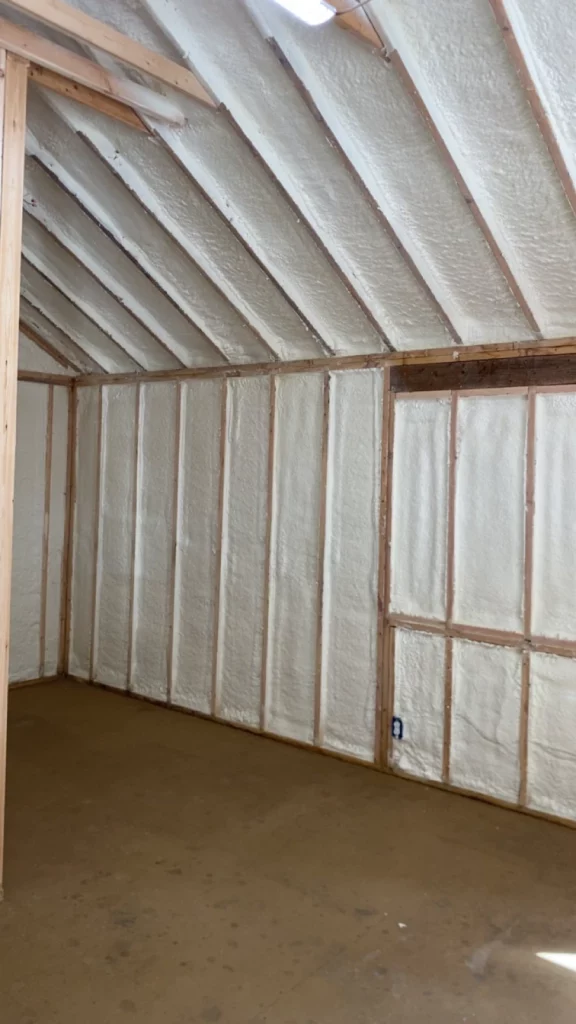
When Sandpoint homeowners compare insulation options, the upfront price tag often drives the decision. But this comparison misses the actual cost of inadequate insulation over the life of the building. A home heated with natural gas or electricity in Climate Zone 5 loses significant energy through poorly insulated walls, ceilings, and crawl spaces. Over 20 years, this wasted energy often exceeds the difference between budget insulation and premium closed cell spray foam. This holds true whether your property is located in downtown Coeur d’Alene, along the shores near Sandpoint, or in the quieter communities of Bonners Ferry and Libby, MT.
Consider this scenario. A 2,000 square foot home with fiberglass batt insulation might lose 30% more heat than the same home insulated with closed cell spray foam at recommended thicknesses. At current Avista utility rates for the Post Falls area, this translates to hundreds of dollars annually in excess heating costs. Over a decade, the homeowner pays the premium price of spray foam in saved utility bills, all while enjoying superior comfort and moisture control.
Investing in closed cell spray foam insulation in Sandpoint delivers measurable returns through reduced utility costs. The U.S. Department of Energy reports that proper insulation represents one of the most cost-effective improvements for reducing energy consumption. For homes in cold climate zones, the return on investment period for spray foam insulation typically ranges from 5 to 10 years, depending on local energy rates and heating habits.
Beyond energy savings, closed-cell foam adds structural rigidity to walls and roofs, potentially reducing long-term maintenance costs. The material also resists water infiltration, protecting against mold growth and moisture damage in vulnerable areas like crawl spaces and rim joists.
Selecting the right insulation contractor impacts both the quality of installation and the final project cost. According to the International Code Council, homeowners should obtain multiple quotes, verify licensing and insurance, and request references from previous customers. Spray foam installation requires specialized equipment and trained technicians, making contractor experience essential for achieving proper coverage and thickness.
Local contractors familiar with Sandpoint building codes and Climate Zone 5 requirements can recommend appropriate R-values and application methods for your specific project. Many contractors serving the Sandpoint area also work throughout the surrounding region, including Hayden, Ponderay, and Bonners Ferry, ID, so they understand regional factors like soil conditions, moisture patterns, and heating system types common to North Idaho construction. Detailed cost analysis from the Building America Solution Center shows that per square foot rates for closed cell applications generally fall between $1.90 and $2.80, making it easier to compare quotes from multiple contractors.
Every spray foam project differs based on building characteristics, access requirements, and performance goals. The most accurate pricing comes from an on-site evaluation by an experienced insulation contractor. At Selkirk Energy Solutions, we provide detailed assessments and transparent pricing for closed cell spray foam insulation throughout the Sandpoint area. Our team understands the unique demands of North Idaho construction and delivers installations that meet or exceed Climate Zone 5 requirements.
Contact us at (208) 295-9780 or email [email protected] to schedule your free estimate. We will evaluate your property, discuss your goals, and provide a written quote that details material thickness, coverage area, and total project cost.
[Request a Free Estimate] [Call Us Today]
U.S. Department of Energy – Spray Foam Insulation – Federal guidance on spray foam insulation types, costs, and applications for residential and commercial buildings.
National Renewable Energy Laboratory – Federal research laboratory providing building energy efficiency data and analysis on insulation performance.
International Code Council – Building code standards organization providing guidance on climate zones, R-value requirements, and construction best practices.
Building America Solution Center – U.S. Department of Energy resource providing detailed information on building science, insulation requirements, and energy-efficient construction methods.
City of Post Falls Building Department – Official municipal resource for local building codes, permit requirements, and construction standards for Post Falls, Idaho.
For Sandpoint Climate Zone 5, we typically recommend 2 to 3 inches of closed-cell foam for walls and 3 inches for attics, achieving R-values between R-13 and R-21 depending on application.
Closed cell spray foam installation requires specialized equipment, proper safety gear, and technical training, so professional installation ensures consistent thickness and performance.
Closed-cell spray foam insulation typically lasts the lifetime of the building when properly installed, often 80 to 100 years, without settling or degrading like fiberglass or cellulose.
Yes, properly installed closed-cell spray foam reduces air infiltration and improves thermal performance, with many Sandpoint homeowners reporting 20% to 40% reductions in energy expenses.
Closed-cell spray foam acts as its own vapor barrier when applied at sufficient thickness, typically 2 inches or more, eliminating the need for a separate vapor barrier.