How Does Roof Design Influence Spray Foam Insulation Requirements in Dover, ID?
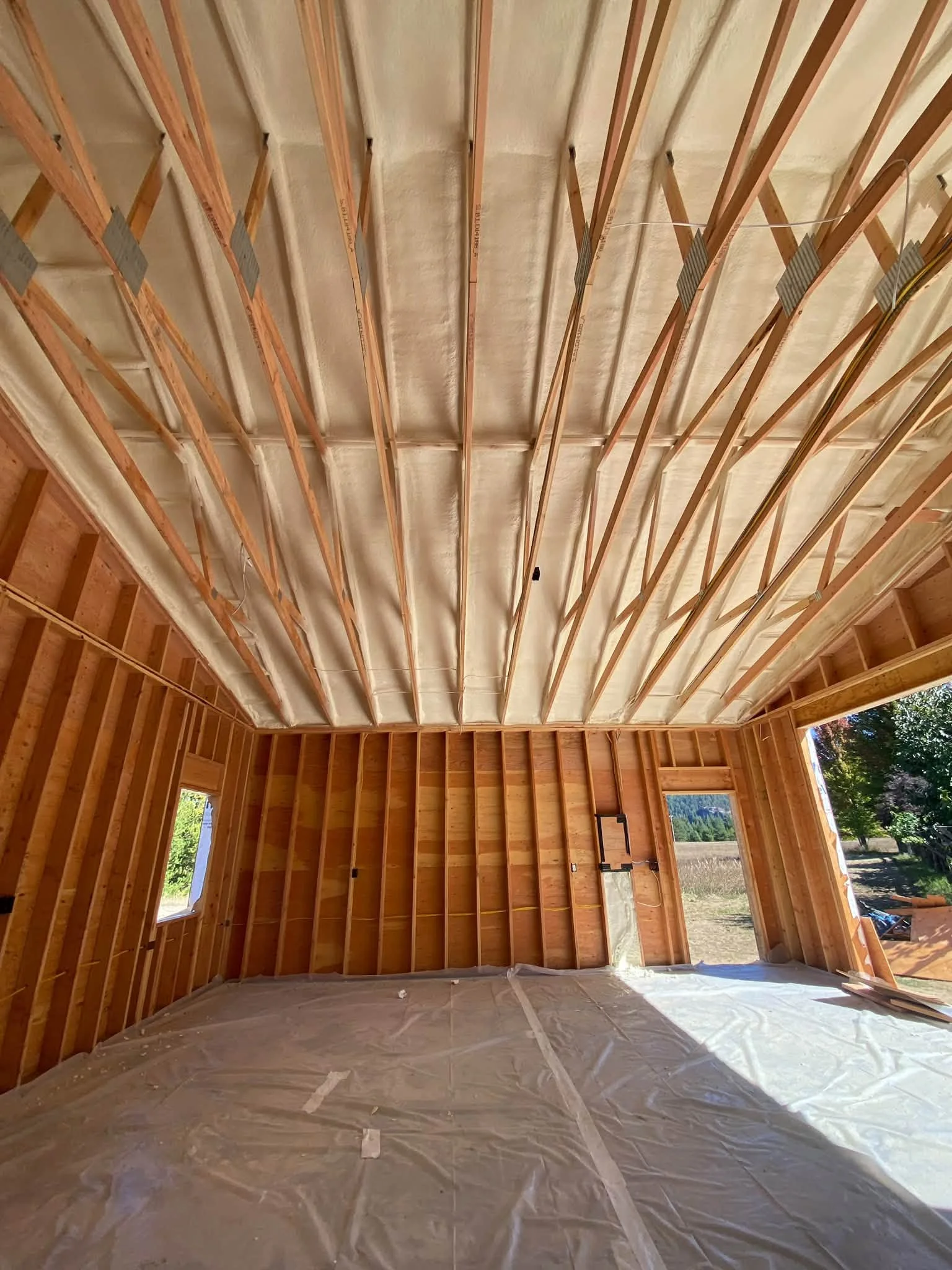
Your roof design is the primary factor that dictates how spray foam insulation should be installed. Because Dover, Idaho, experiences…


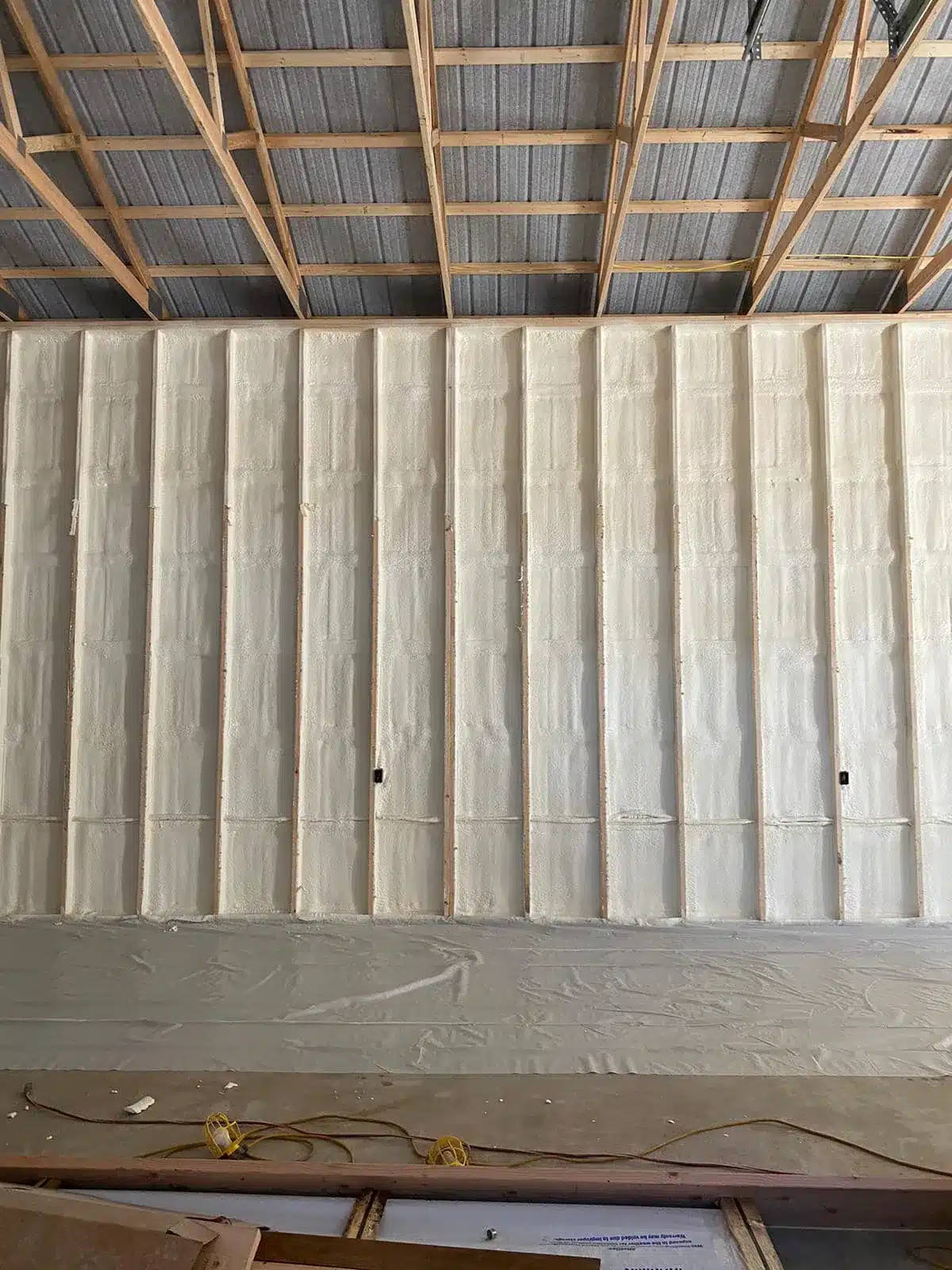
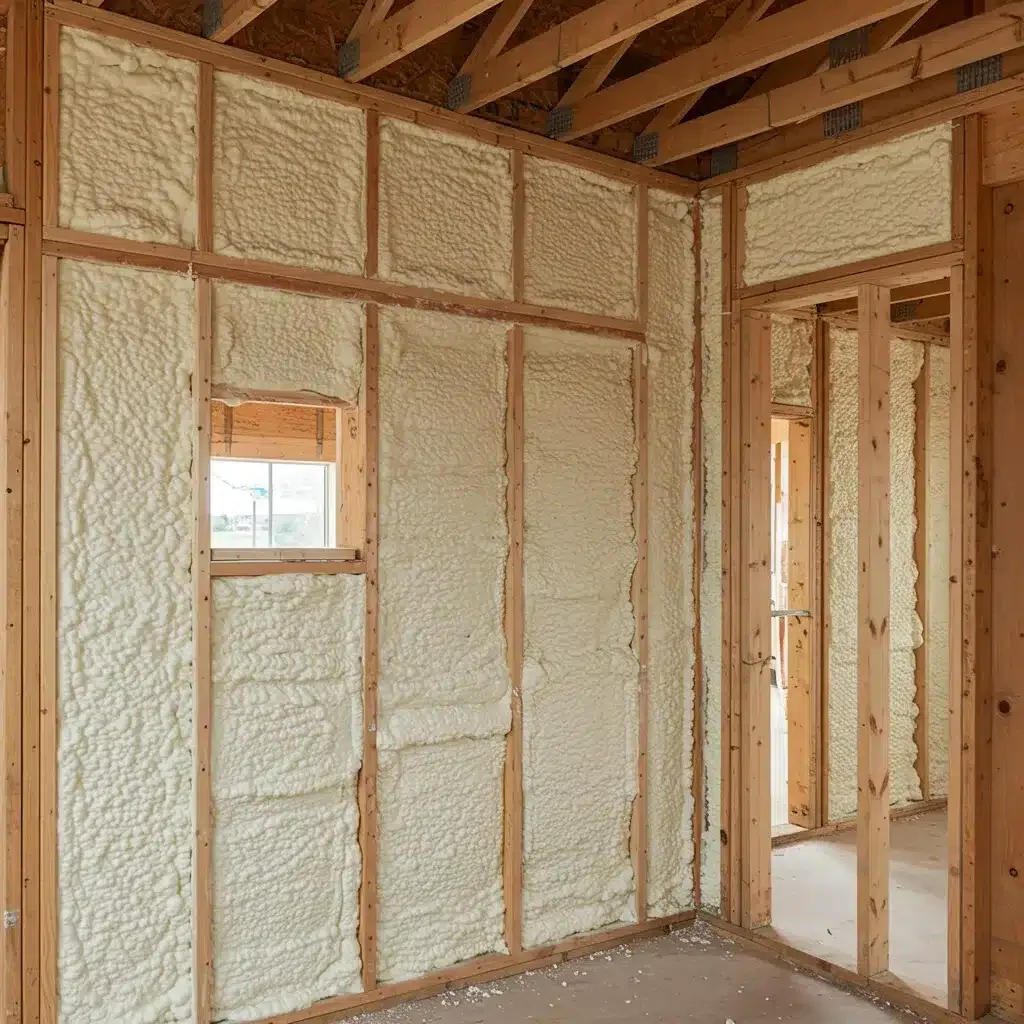
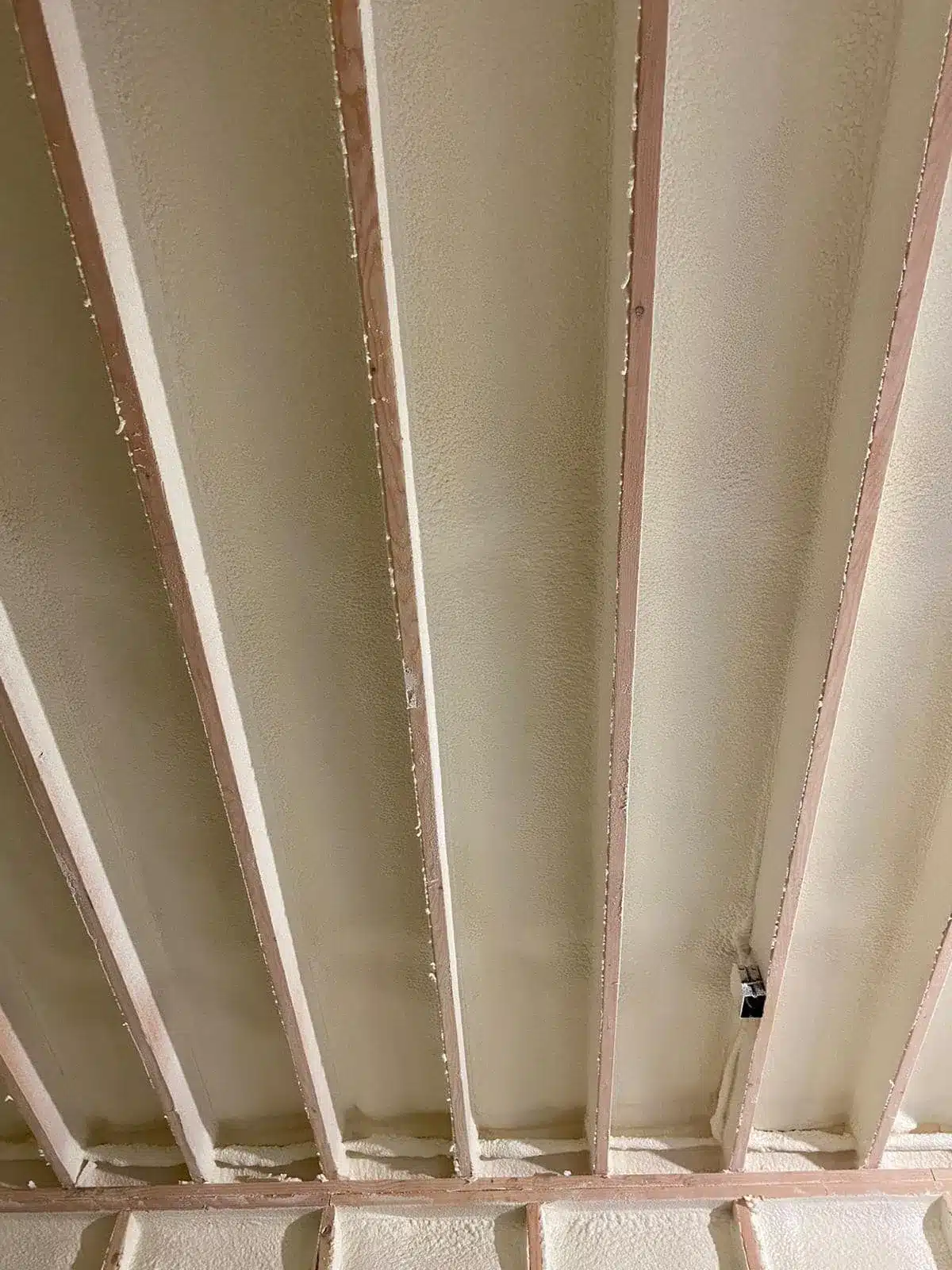
Open-Cell Spray Foam takes on the most stubborn performance issues in homes and commercial buildings all at once: air leakage, unwanted noise, and rising energy bills. Rather than sitting loosely inside a wall the way batts and blown-in products do, this liquid-applied material expands roughly 100 times its original volume, pushing into every gap, corner, and seam before curing into a flexible solid. That single trait, as explained in the complete guide to open-cell spray foam insulation, explains why open-cell spray foam outperforms fiberglass and cellulose on real-world comfort and utility costs, even though its R-value per inch trails closed-cell products. If your priority is an airtight, quiet, evenly conditioned building, few materials match what open-cell technology delivers in new construction and retrofit work alike.
If you have wondered What Is Open-Cell Spray Foam, the answer starts with structure. This spray polyurethane foam (SPF) product cures cells that stay open instead of sealing shut. That structure creates a soft, flexible material with a density near 0.5 pounds per cubic foot, compared with 2 pounds per cubic foot for closed-cell. The interconnected cells let vapor pass through while the cured foam still blocks air, a combination few products deliver in a single step.
The Spray Polyurethane Foam Alliance notes that SPF provides insulation and air sealing together in one application, handling thermal performance and infiltration at the same time. Traditional materials need a separate air barrier system to reach the same envelope quality, which adds labor and cost to a project. Building Science Corporation research reaches a similar finding, documenting that spray foam assemblies show low exterior air leakage along with measurable sound control gains, two benefits that show up directly on comfort and energy bills.
Air leakage ranks as the largest source of wasted heating and cooling energy in typical homes, accounting for up to 30% of HVAC costs. The Department of Energy explains in its air sealing guidance that gaps and holes in the envelope drive drafts, comfort complaints, and moisture trouble. Fiberglass batts do nothing to stop this flow, so conditioned air slips straight through.
Leakage concentrates in predictable spots:
Loose-fill and batt products sag, compact, and shift as buildings age. Vibration, humidity swings, and the slow breakdown of binders pull material away from the top of wall cavities, leaving bare studs and open pathways. Attic insulation flattens under storage loads and foot traffic, dropping the delivered R-value well below the number printed on the bag.
Condensation forms where warm, moist air meets cold surfaces inside cavities. The Department of Energy’s moisture control guidance warns that unmanaged moisture feeds mold, damages framing, and degrades insulation performance. Materials that soak up and hold water lose R-value and create the damp conditions biological growth needs.
Bedrooms next to living areas, home offices, and multi-family units all need noise control that hollow or lightly insulated walls cannot deliver. Empty cavities let conversations, foot traffic, and mechanical hum pass straight through, and dedicated acoustic assemblies add cost and complexity to any build.
If you have asked Is Open-Cell Foam an Air Barrier, the answer is yes, once it is installed at the thickness the manufacturer specifies. The foam wraps framing members, fills the voids behind electrical boxes, and seals around every penetration before it cures. The finished layer contains no joints, staples, or seams to fail later, which removes the bypass paths responsible for most energy loss.
Cured foam bonds to framing and sheathing and never moves. There is nothing to sag, compact, or wash into the bottom of a cavity. The R-value you install is the R-value the building keeps for decades, with none of the slow decline that erodes loose-fill performance.
Questions about an Open-Cell Spray Foam Vapor Barrier usually assume the product blocks moisture, but Is Open-Cell Foam a Vapor Barrier? No, and that works in its favor when the assembly is designed correctly. The material lets vapor diffuse and dry rather than trapping moisture against sheathing. The foam itself does not wick or hold liquid water, so humidity around it does not strip its insulating value. Cold regions usually pair wall foam with an interior vapor retarder, while mixed and humid climates use the permeability to dry inward, making professional open-cell spray foam services a practical option for properly designed assemblies.
The open cell structure soaks up sound energy instead of letting it pass. Conversations, HVAC noise, and street sound fade noticeably at the wall, which makes the material especially valuable for:
| Insulation Type | R-Value per Inch | Air Barrier | Vapor Behavior | Sound Control | Relative Cost |
|---|---|---|---|---|---|
| Open-Cell Spray Foam | ~3.7 | Yes | Permeable | Excellent | Moderate |
| Closed-Cell Spray Foam | ~6.5 | Yes | Vapor Barrier | Good | High |
| Fiberglass Batts | ~3.0-3.8 | No | Permeable | Moderate | Low |
| Dense-Pack Cellulose | ~3.5-3.8 | Partial | Permeable | Good | Low-Moderate |
| Mineral Wool Batts | ~3.0-3.3 | No | Permeable | Good | Moderate |
Chart idea: R-value per inch across common residential insulation types, with Open-Cell Spray Foam R Value at 3.7 shown against the alternatives.
Open-Cell vs Closed-Cell Spray Foam comes down to application fit. Closed-cell wins on R-value per inch and moisture resistance in tight spaces. Open-cell wins on cost per board foot, sound absorption, and coverage across wide roof planes and open cavities.
| Applied Thickness | Approximate R-Value | Typical Use |
|---|---|---|
| 3.5 inches | R-13 | 2×4 walls |
| 5.5 inches | R-20 | 2×6 walls |
| 8 inches | R-30 | Roof decks, cathedral ceilings |
| 10 inches | R-37 | Unvented attic slopes |
| Scenario | Building Type | Problem | Solution | Outcome |
|---|---|---|---|---|
| Drafty older home | 1970s ranch | Leaky wall cavities, high bills, cold rooms | Open-cell foam in exterior walls during renovation | 28% lower heating costs, cold spots at outlets gone |
| Multi-family unit | Apartment building | Noise between units, tenant complaints | Foam in demising walls during construction | STC climbed from 35 to 48, complaints dropped to zero |
| Cathedral ceiling | Custom home | Little room for insulation, leakage at framing | Foam sprayed to the roof deck | Full 8-inch fill, no venting needed, even temperatures |
| Basement refresh | Finished basement | Damp concerns, cold floors overhead | Foam at rim joist and above-grade walls | Warmer floors, zero condensation after 3 years |
| Commercial office | Office building | Noise between meeting rooms, heavy HVAC load | Foam in interior partitions and exterior walls | Better meeting privacy, 22% HVAC energy savings |
Almost every Open-Cell Foam Insulation Problems report traces back to application errors: wrong mix ratio, cold substrate, rushed lifts, or thin spots behind obstructions. Open-Cell Spray Foam Insulation Reviews that praise dramatic comfort gains almost always credit the crew, not just the chemistry. Our installers control substrate temperature, apply consistent lift thicknesses, and verify coverage before we call a job complete.
The foam suits assemblies where permeability supports drying. Cold regions generally call for an interior vapor retarder over wall foam, while mixed-humid and hot-humid zones benefit from inward drying.
Vapor retarder placement, air barrier continuity at transitions, and framing fraction all shape the final result. Sound envelope design lets the foam do its job inside a system built to manage heat and moisture together.
Specified R-value requires full, even thickness everywhere foam is applied. Tight cavities, crowded framing, and awkward access points create thin areas that drag down whole-wall performance, so specifications should demand minimum-thickness checks across the entire work area.
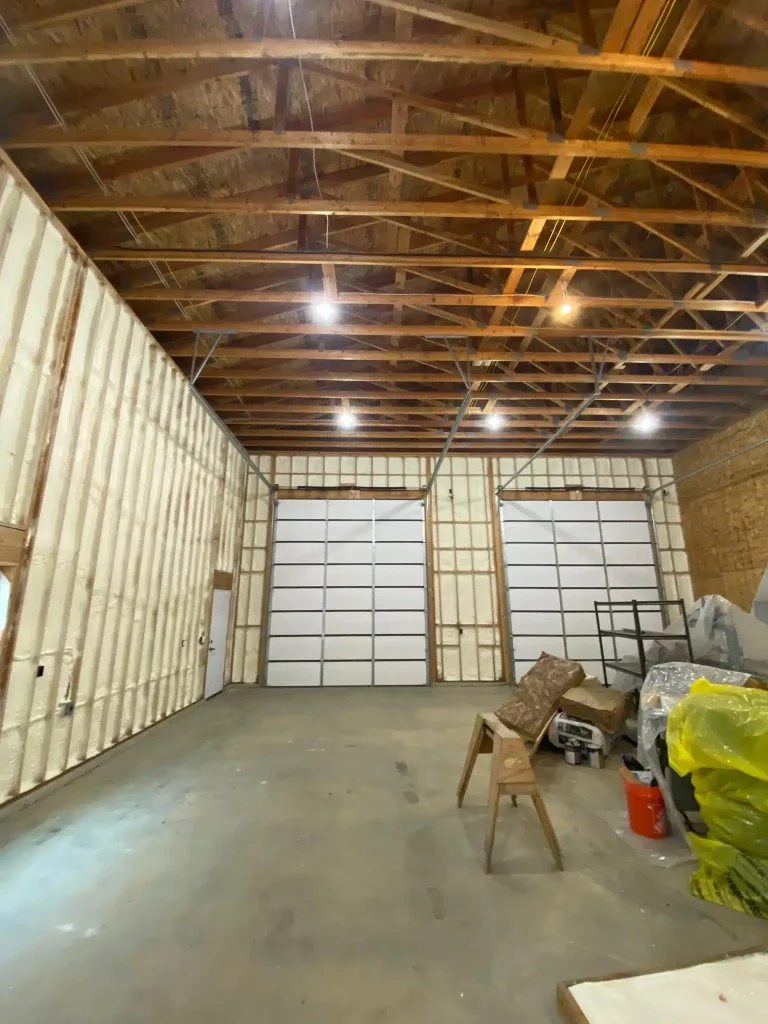
Run blower door testing and infrared scans before application to map existing leakage paths. Record the baseline so improvement can be proven after the work is done.
Framing must be clean, dry, and free of dust or oils that weaken adhesion. Confirm moisture issues are resolved, and that site temperature and humidity fall inside the manufacturer’s window.
Foam goes in after electrical rough-in, and once every penetration has reached its final position. Coordinate duct routes and mechanical equipment with planned insulation depths to avoid costly conflicts.
Check thickness, spot-check density, and inspect visually for voids. Infrared imaging after completion catches missed areas, and documented results support code sign-off and owner confidence.
Expect to pay roughly 2 to 3 times more per square foot than fiberglass batts. That premium buys air sealing, sound control, and stability in one line item, which removes the separate air barrier budget fiberglass assemblies require. Whole-house energy savings of 20 to 30% are typical once leakage stops, and those savings grow as utility rates climb.
Homeowner sentiment lines up with the physics. Long discussion threads on Reddit’s r/HomeImprovement describe draft-free rooms and quieter interiors after open-cell retrofits, while the most common complaints involve price and sloppy installers, which reinforces how much the crew matters. Question threads on Quora reach the same conclusion: results depend on qualified application and climate-appropriate design. On safety, the EPA advises keeping occupants out during application and curing, and notes the cured material is inert. Our crews follow the posted re-entry intervals on every job.
Selkirk Energy Solutions builds insulation plans around real building science, not guesswork. Our team assesses your envelope, designs the assembly for your climate, and installs Open-Cell Spray Foam with the process control that separates lasting results from short-term fixes. Whether you are planning new construction, a renovation, or a retrofit, our crew handles assessment, application, and verification from start to finish.
Yes, when installed at the manufacturer’s specified thickness, it forms a continuous air barrier that stops infiltration through the assembly.
No, it is vapor permeable by design, so cold climates usually need an interiRequest your free quote today. Call us at (208) 295-9780 or email [email protected], and our team will walk your project, answer your questions, and show you exactly what a properly sealed envelope can do for your comfort and your utility bills.
or vapor retarder while humid climates benefit from the drying capability.
It measures approximately 3.7 per inch, so a 5.5-inch wall fill delivers about R-20.
Open-cell generally costs less per board foot, while closed-cell costs more but delivers roughly 6.5 R-value per inch plus vapor resistance.
Yes, once fully cured and ventilated per manufacturer guidelines, the cured foam is inert and does not off-gas.