How Does Roof Design Influence Spray Foam Insulation Requirements in Dover, ID?
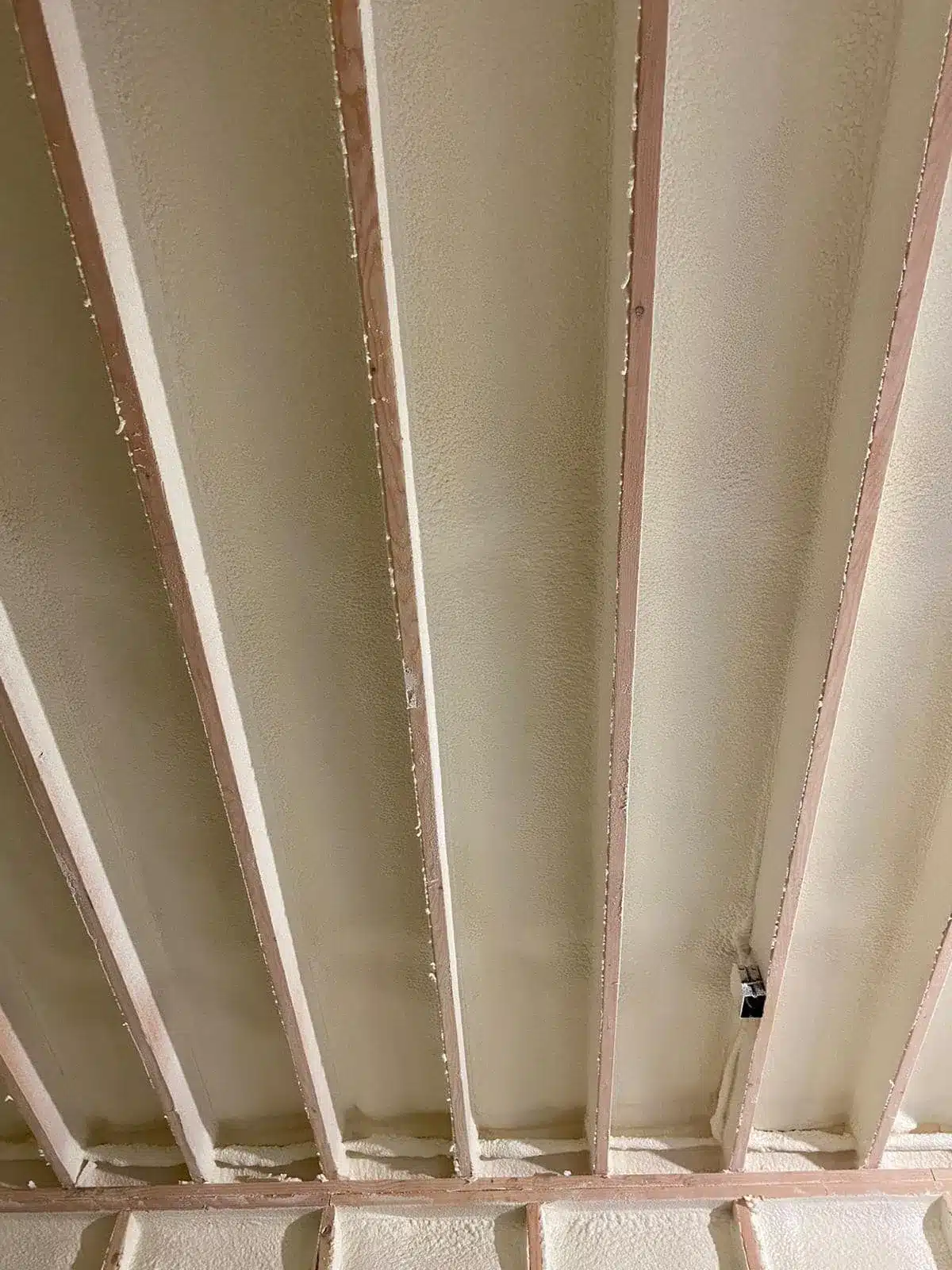
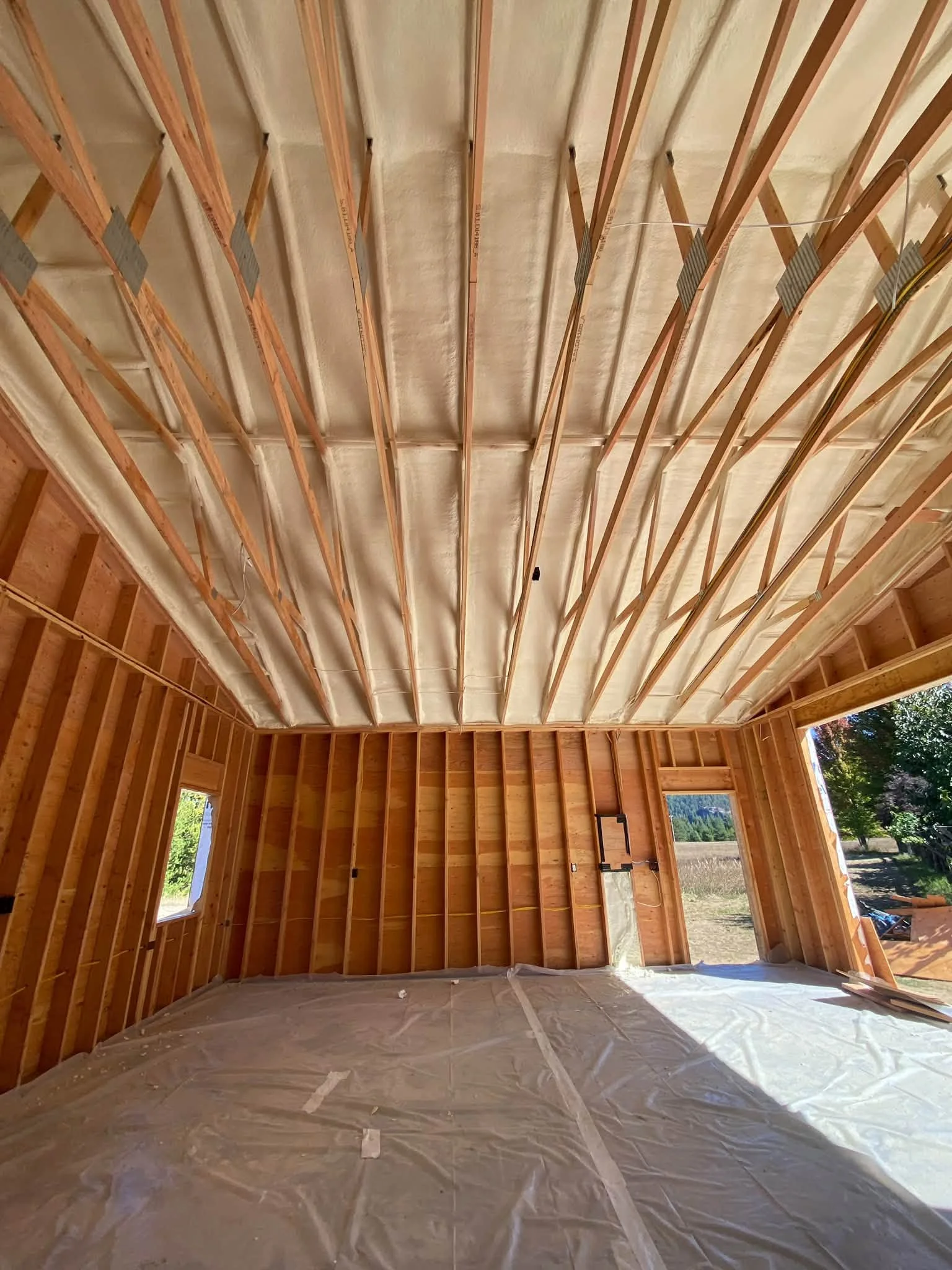
Your roof design is the primary factor that dictates how spray foam insulation should be installed. Because Dover, Idaho, experiences…


Yes, open-cell spray foam can help reduce outside noise, but it is not a complete soundproofing solution. While its porous structure excels at absorbing airborne sound waves, like the hum of traffic or neighborhood noise, it cannot stop all sound from entering your home.
True soundproofing requires a combination of mass, air-sealing, and structural decoupling. Insulation is only one piece of that puzzle. The open-cell spray foam guidance can help you understand what spray foam can realistically achieve and where other measures are required to improve indoor privacy.
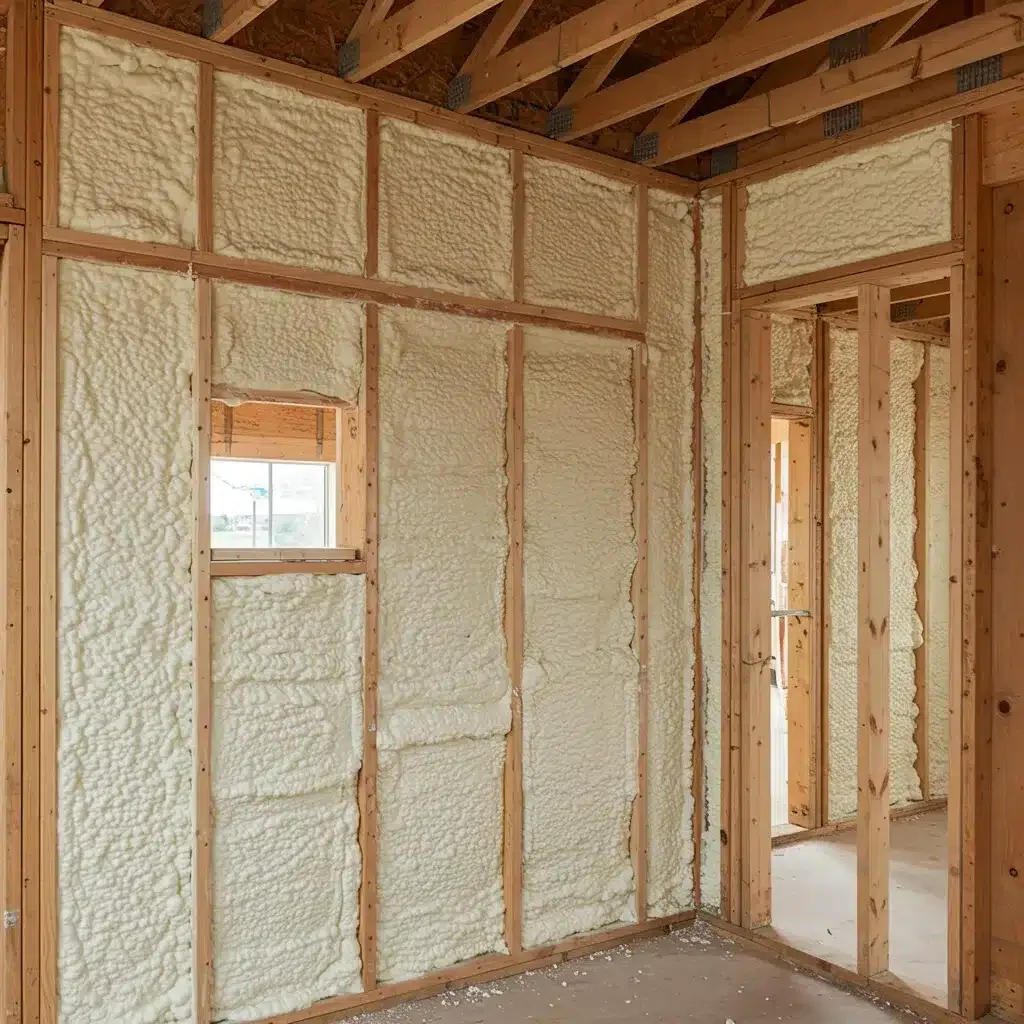
Open-cell spray foam manages noise primarily through two mechanisms: absorption and air-sealing. Unlike closed-cell foam, which is dense and rigid, open-cell foam remains soft and porous once it cures.
As explained by Foam University, open-cell spray foam’s soft, porous structure helps absorb airborne sound waves, reducing sound transmission through insulated wall cavities. When sound energy hits the foam, the porous surface traps the waves and converts that energy into small amounts of heat, preventing the sound from bouncing back or passing through the wall cavity as easily.
The second, and perhaps more important, factor is its ability to create an airtight seal. Sound is similar to water in that it follows the path of least resistance. It travels through gaps around electrical outlets, windows, and wall penetrations. Because spray foam expands to fill every void during installation, it eliminates these air pathways. By stopping the air, you also stop the noise that would otherwise leak through those gaps. This is why a well-sealed wall cavity often provides a noticeable improvement in quietness compared to traditional fiberglass batts, which can leave air pockets around obstructions.
Choosing between open-cell and closed-cell foam depends on your specific acoustic goals and the structural needs of your property.
| Feature | Open-Cell Spray Foam | Closed-Cell Spray Foam |
|---|---|---|
| Acoustic Absorption | High (due to porosity) | Low (due to density) |
| Air Sealing | Excellent | Excellent |
| R-Value per Inch | Lower (approx. 3.5–3.8) | Higher (approx. 6.0–7.0) |
| Moisture Resistance | Permeable | Vapor barrier |
| Primary Use | Interior noise reduction | Structural strength/moisture control |
For most sound-sensitive projects, open-cell foam is the preferred choice. Its lower density and softer texture allow it to absorb sound frequencies more effectively. Closed-cell foam, while superior for insulating against heat and moisture, is too dense to absorb sound waves. In fact, its rigidity can sometimes reflect sound rather than absorb it. If your primary goal is acoustic comfort, the open-cell variety is generally the more effective product.
Before investing in spray foam, you need to manage your expectations regarding what insulation can and cannot do. Insulation is a tool for managing airborne noise, but it has distinct limitations.
Spray foam is effective against high-to-mid-frequency sounds, such as birds chirping, wind, or distant traffic. However, it is significantly less effective against low-frequency noise, such as heavy bass from a neighbor’s stereo or the rumble of large trucks. Open-cell insulation solutions can help address certain sound-related concerns, but low-frequency sound waves have high energy and can travel through building materials via vibration. Insulation cannot stop these vibrations; to do that, you would need to add mass or decouple the structure.
Soundproofing is only as strong as the weakest point in your wall or ceiling. Even with perfect insulation, if your windows are single-pane, your doors have gaps at the bottom, or your vents are unsealed, noise will continue to enter your property. According to guidance from the Department of Energy, air leaks are often the primary cause of heat loss and, by extension, noise infiltration. If you do not address these air leaks, the benefits of the spray foam may be undermined.
One common objection homeowners raise is the permanence of spray foam. Once applied, it hardens around pipes and wires. If you anticipate needing to rewire your home or upgrade your plumbing in the near future, consider how that work might be affected by foam insulation. While it is possible to remove or cut through foam, it is a more involved process than moving traditional batts.
Selkirk Energy Solutions believes that effective noise management starts with a proper diagnosis. There is no one-size-fits-all solution for acoustic privacy, and applying insulation where it is not needed or using the wrong type can lead to wasted money and unmet expectations.
We evaluate your property to identify the specific noise sources and structural vulnerabilities. This ensures that when we recommend a solution, it is based on the actual conditions of your home, whether that involves open-cell spray foam or other air-sealing techniques. Our team understands that for homeowners in our service area, comfort is about more than just temperature; it is about creating a quiet, private living environment.
If you are dealing with persistent noise issues, contact our office at (208) 295-9780 or email us at [email protected] to discuss whether a professional acoustic and energy audit is the right next step for your property.
No. It reduces airborne noise through absorption and sealing, but it cannot stop low-frequency vibrations or sound entering through windows, doors, or vents.
If your goal is air-sealing and sound absorption in interior wall cavities, it is highly effective. The value depends on your specific acoustic requirements.
In some cases, yes, but it typically requires drilling small holes in the drywall to inject the foam. This process requires professional precision to ensure coverage.
It can help if the noise is traveling through shared air gaps or wall cavities, but structural vibrations from a shared wall may still be audible.
No. Closed-cell foam is too dense and rigid to absorb sound waves effectively. It is better suited for structural support and moisture resistance than for acoustics.