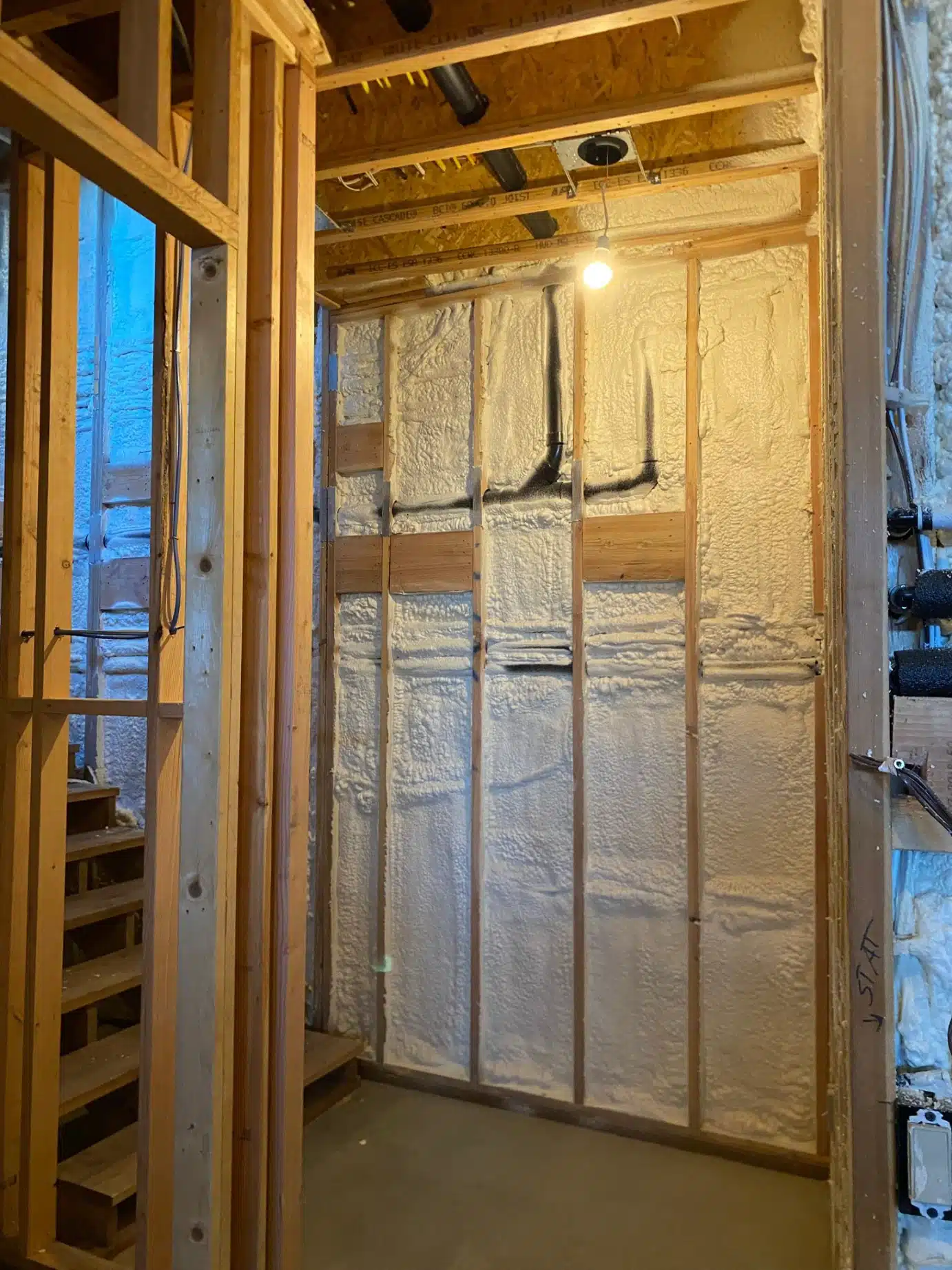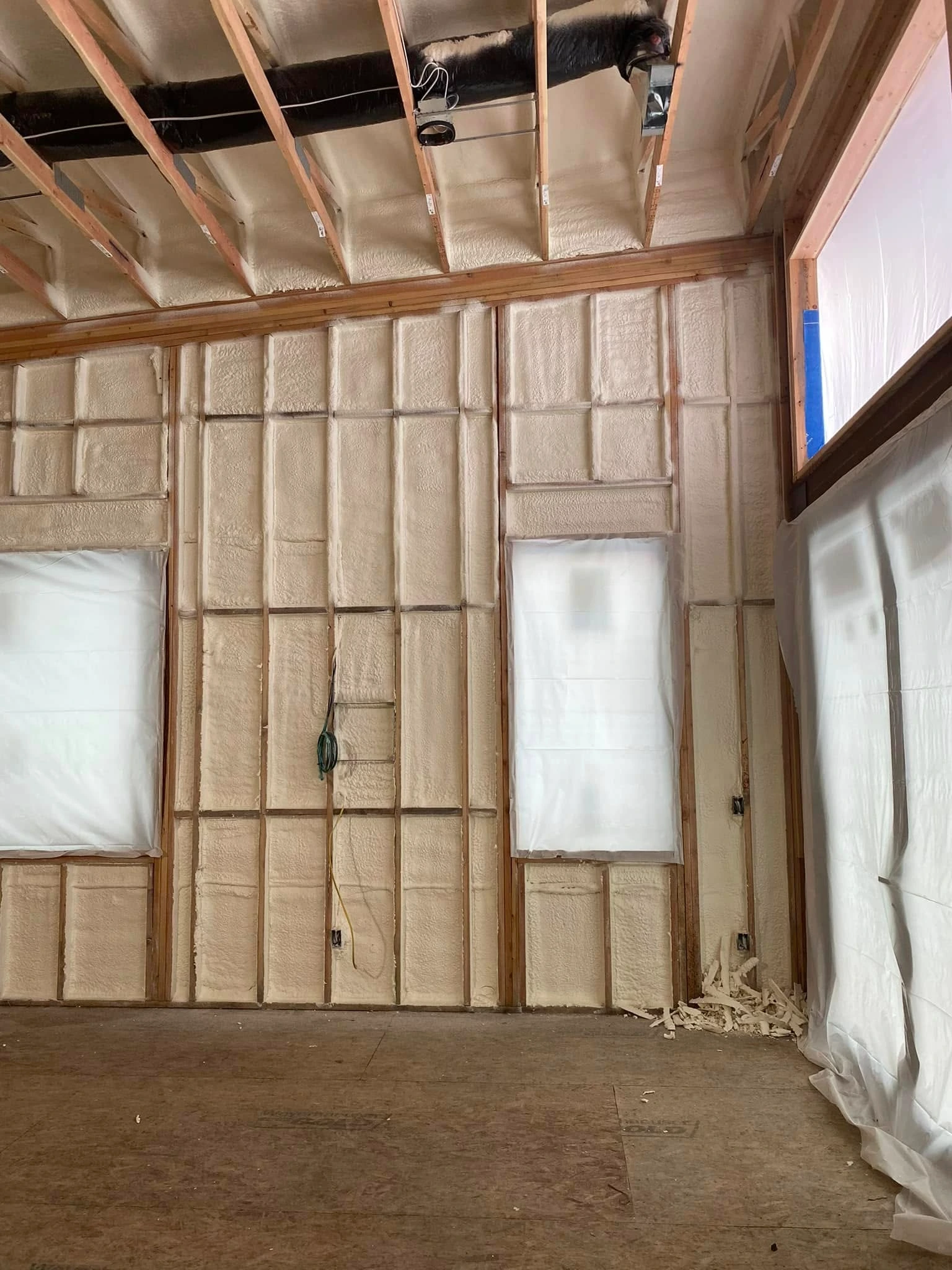
How Does Open-Cell Spray Foam Adhere to Different Building Materials in Bonners Ferry, ID?
Open-cell spray foam bonds as it expands against a clean, dry surface, so adhesion depends more on moisture, dust, and…


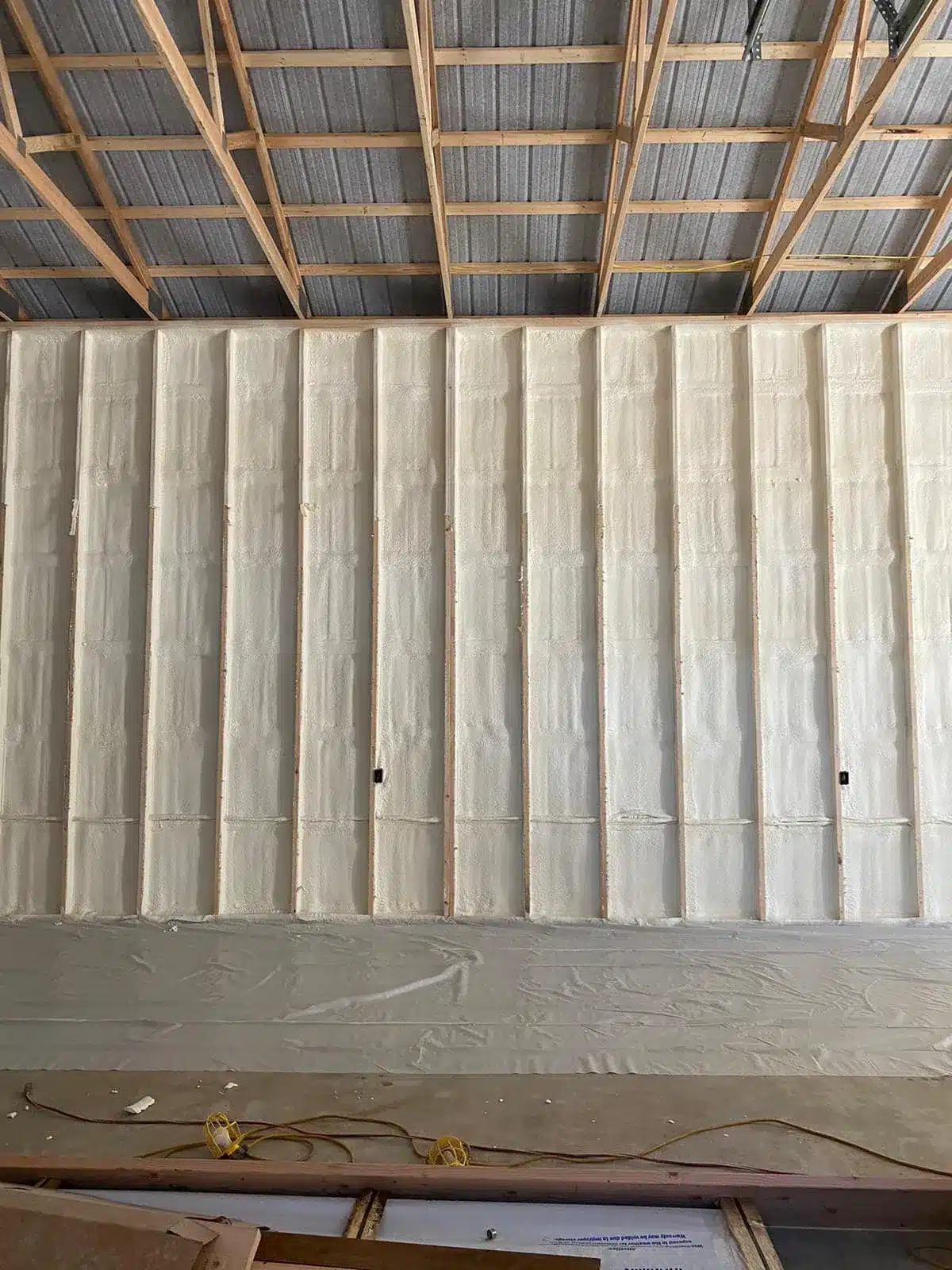
Most closed-cell spray foam problems come from installation mistakes, not the product. Off-ratio mixing causes lingering odors, overspraying causes cracks and soft spots, and shrinkage opens gaps behind the foam. Our closed-cell spray foam guide explains these common issues and why careful installer selection and inspection help prevent them.
Closed-cell foam installation problems usually come from application errors, not the foam chemistry. An investigation by Fine Homebuilding reports that industry research blames most failures on application mistakes, and the four issues below cover the bulk of what we get called to assess.
Closed-cell foam is mixed on site from two chemical components. When the ratio is off, unreacted chemicals stay behind and off-gas into the home, often with a fishy or sweet chemical smell. Off-ratio foam feels gummy, soft, or brittle instead of firm, and it usually has to come out. The U.S. Environmental Protection Agency warns that VOC exposure can cause eye, nose, and throat irritation, headaches, and dizziness.
Curing foam releases heat, and a pass that is too thick traps that heat inside. Burned cells, voids, and shrinkage cracks follow. Oversprayed foam has even started fires in extreme cases, which is why manufacturers publish maximum lift thickness, commonly two inches per pass with a cool-down period between passes.
Foam should bond tightly to the substrate and stay there. When it pulls away from studs or sheathing, air slips behind it and carries moisture to cold wood. A field study by Building Science Corporation documented a full roof failure where foam sprayed onto wet OSB never adhered properly, and replacing that roof’s framing, insulation, and sheathing was estimated at $30,000 to $50,000.
Closed-cell foam doubles as a vapor barrier, which is an advantage until water gets behind it. Spray foam moisture issues usually begin when foam is sprayed over damp wood or over a leak nobody caught, sealing water in where it can rot sheathing unseen. Repair every known leak and let wet materials dry completely before any foam is applied.
| Problem | Root Cause | Warning Sign |
|---|---|---|
| Off-ratio foam | Mixing or temperature errors | Fishy odor, soft or crunchy texture |
| Burned cells | Passes stacked too thick | Blisters, voids, cracks |
| Shrinkage gaps | Poor adhesion, wet substrate | Foam pulled away from framing |
| Trapped moisture | Sprayed over leaks or damp wood | Musty smell, hidden staining |
Improper spray foam application usually comes down to conditions and shortcuts on install day, not the formula itself. These are the factors we watch most closely.
You do not need lab equipment to catch most spray foam insulation issues early. Use your senses first, then bring in verification for anything questionable.
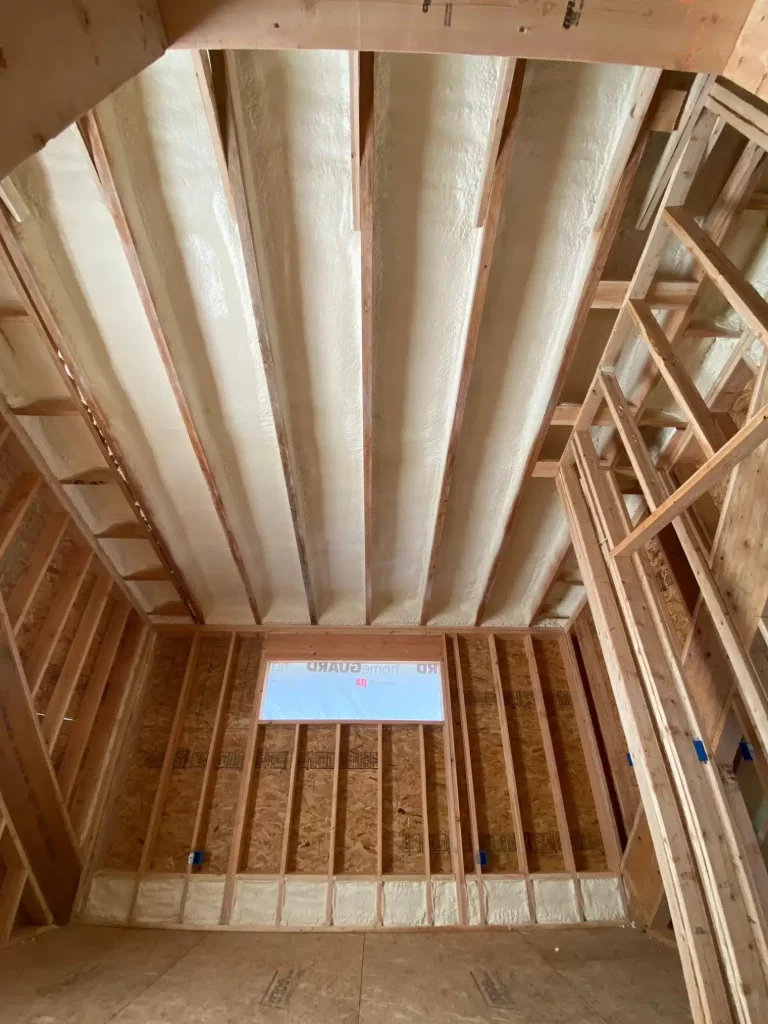
Most prevention happens before anyone sets foot in your home with a spray rig. Put these items in writing when you hire.
If you are planning a foam project or worried about foam already in your walls, we can help. Selkirk Energy Solutions inspects suspect installations, tests questionable foam, and installs to manufacturer specifications. Call us at (208) 295-9780 or email [email protected] for a free quote.
No. Stay out during application and follow your installer’s re-entry guidance, which typically means about a day before returning.
Once the two components fully react, cured foam is considered stable, and the chemical risk drops sharply. Trouble comes from foam that never cured correctly.
Yes, but the risks climb. Cold drums, hoses, or a cold substrate disrupt the reaction, so the crew must heat and monitor materials and surfaces.
The foam firms up quickly, but manufacturers advise keeping people out for roughly a day while it cures and off-gasses. Odor lasting well beyond that window signals a problem.
Yes, usually by scraping or grinding it off the framing. It is slow, messy, and costly, which is why vetting the installer matters so much.