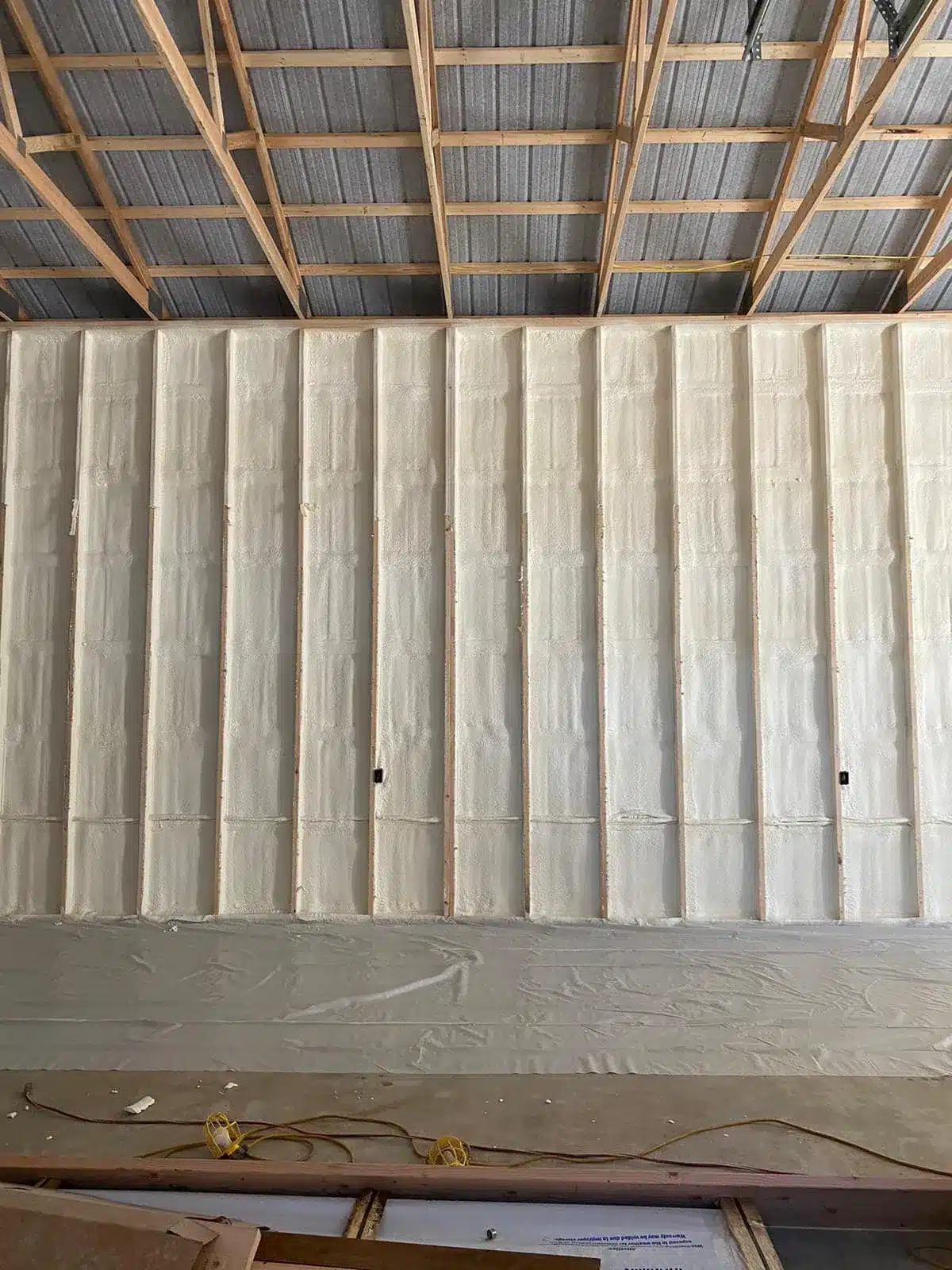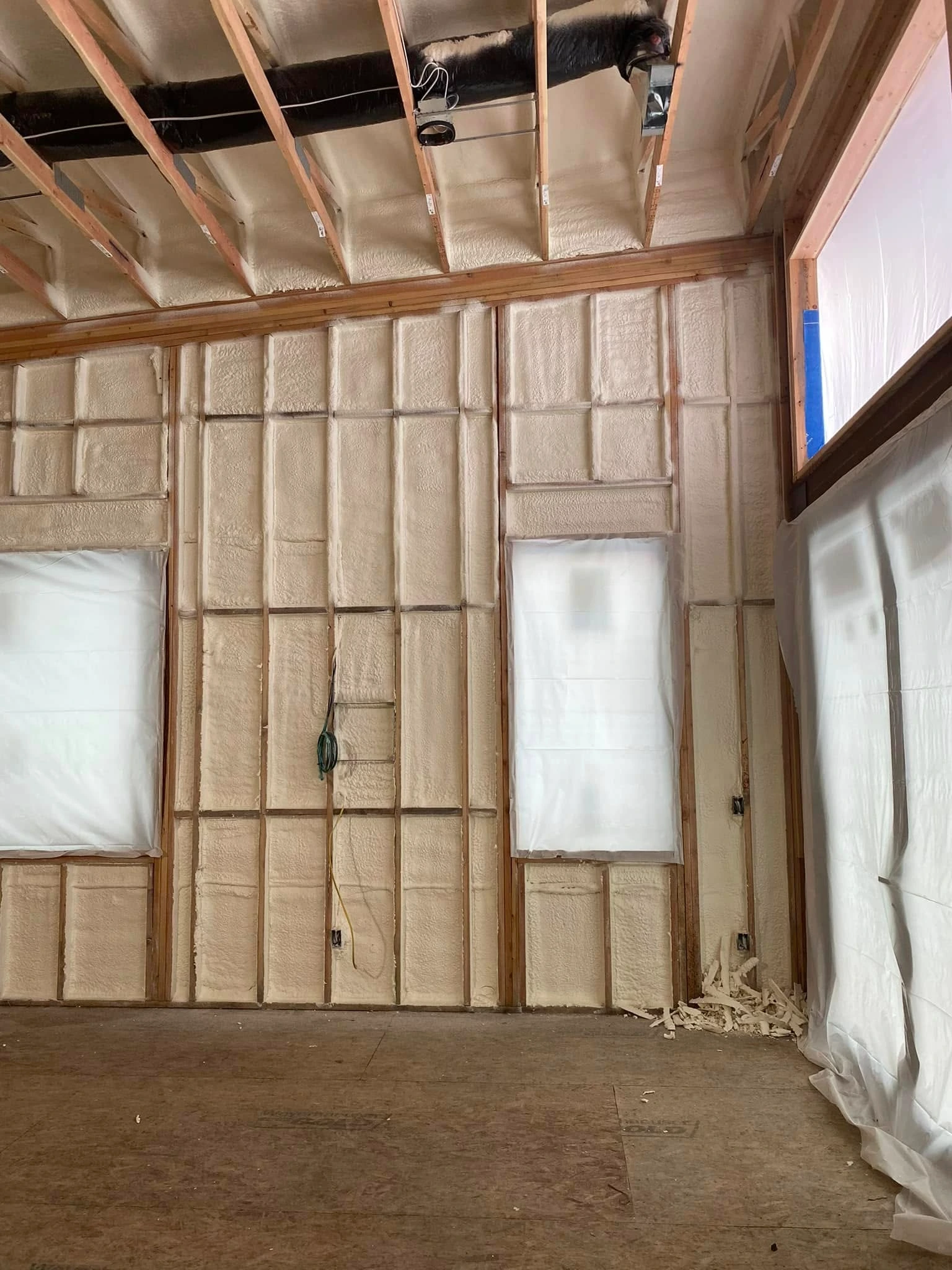
How Does Open-Cell Spray Foam Adhere to Different Building Materials in Bonners Ferry, ID?
Open-cell spray foam bonds as it expands against a clean, dry surface, so adhesion depends more on moisture, dust, and…


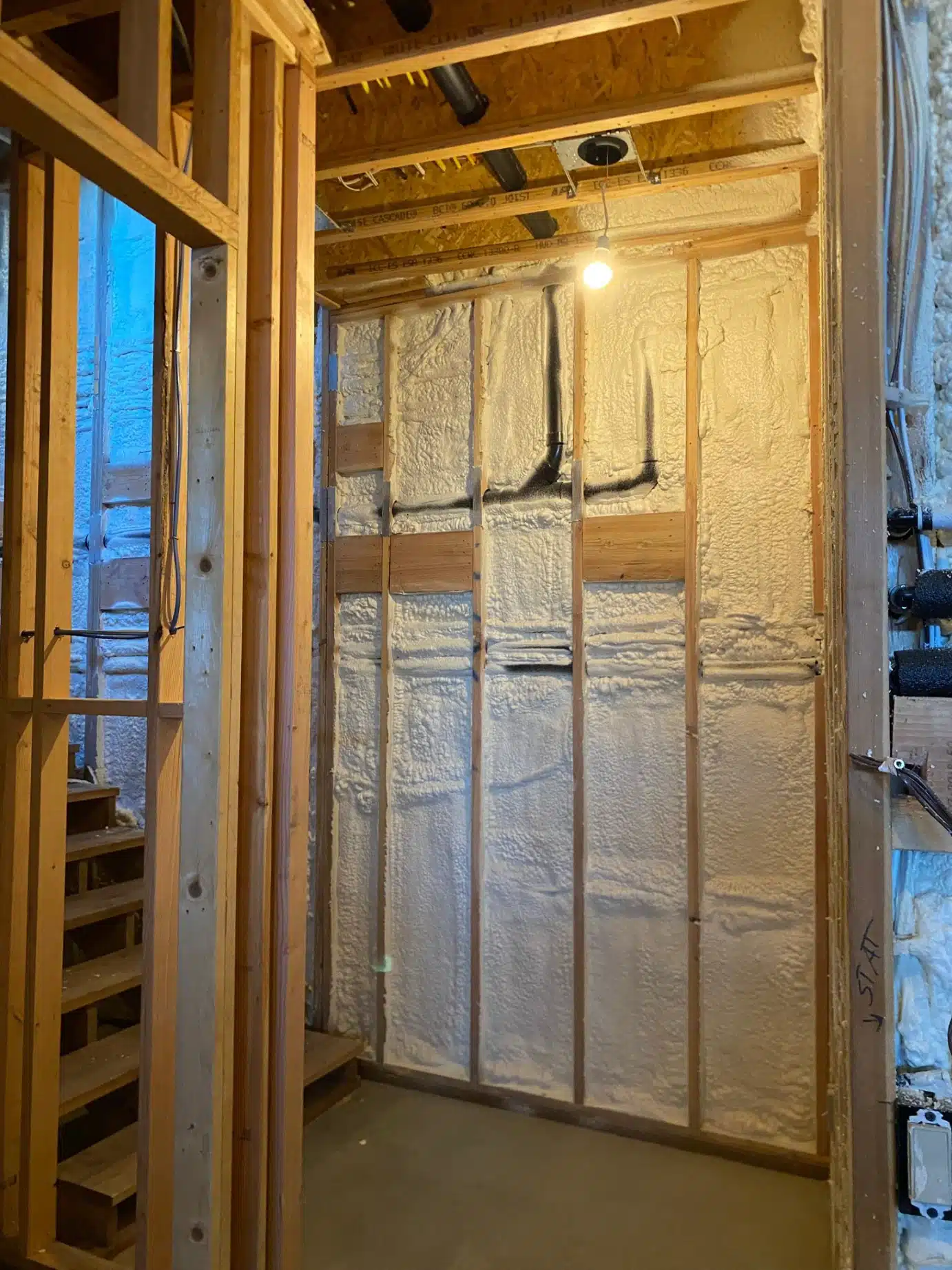
Open-Cell Spray Foam Limitations in Bonners Ferry, ID homeowners should know come down to three things: lower R-value per inch, vapor permeability that needs a plan in cold weather, and softness that suits dry, protected spaces only. It works well in the right spot, but it isn’t the best fit everywhere in our cold North Idaho climate.
Open-cell foam isn’t a bad product. It seals air leaks well and is light, flexible, and good at sound control. The trick is knowing where it stops working.
If you’re comparing Open-Cell Spray Foam Insulation in Bonners Ferry, ID options, it fits interior walls and dry, protected cavities best. Trouble starts when it’s asked to handle moisture it wasn’t built for.
Boundary County sits in Climate Zone 6, according to the Insulation Institute’s Idaho climate zone chart, so our winters run long and cold. That’s where the Open-Cell Foam Disadvantages show up first.
Open-Cell Spray Foam R-Value lands around 3.7 to 4.1 per inch, while closed-cell runs about 6.8 to 7.2, based on BASF’s product brochure. Those are manufacturer numbers, so real products vary.
The gap means open-cell needs close to double the depth for the same rating. In a shallow wall or rafter bay, you may run out of room before you hit your target.
Open-cell foam stops air but not water vapor. Indoor moisture can drift through it and condense on cold roof sheathing, a risk that Green Building Advisor describes for cold climates. That article also says codes in climate zones 5 and higher call for a vapor retarder when you use open-cell foam.
For a Bonners Ferry roof, that means we plan the moisture side before anyone picks up a spray gun. Our open-cell spray foam guide explains the key considerations. Air sealing and good ventilation of kitchens and baths matter just as much.
Open-cell foam can soak up liquid water. A slow roof leak or plumbing drip may sit in the foam against the wood for a long time.
Soaked foam often has to be removed and replaced. That’s a costly fix compared with catching the problem early.
The Open-Cell vs Closed-Cell Spray Foam decision depends on where the foam goes. Closed-cell is denser and blocks far more vapor, while open-cell is softer and lets assemblies breathe.
| Feature | Open-Cell | Closed-Cell |
|---|---|---|
| R-Value Per Inch | About 3.7 to 4.1 | About 6.8 to 7.2 |
| Vapor Movement | Passes vapor | Much more resistant |
| Texture | Soft, flexible | Rigid, dense |
| Best Spot | Dry, protected cavities | Tight spaces, moisture-prone areas |
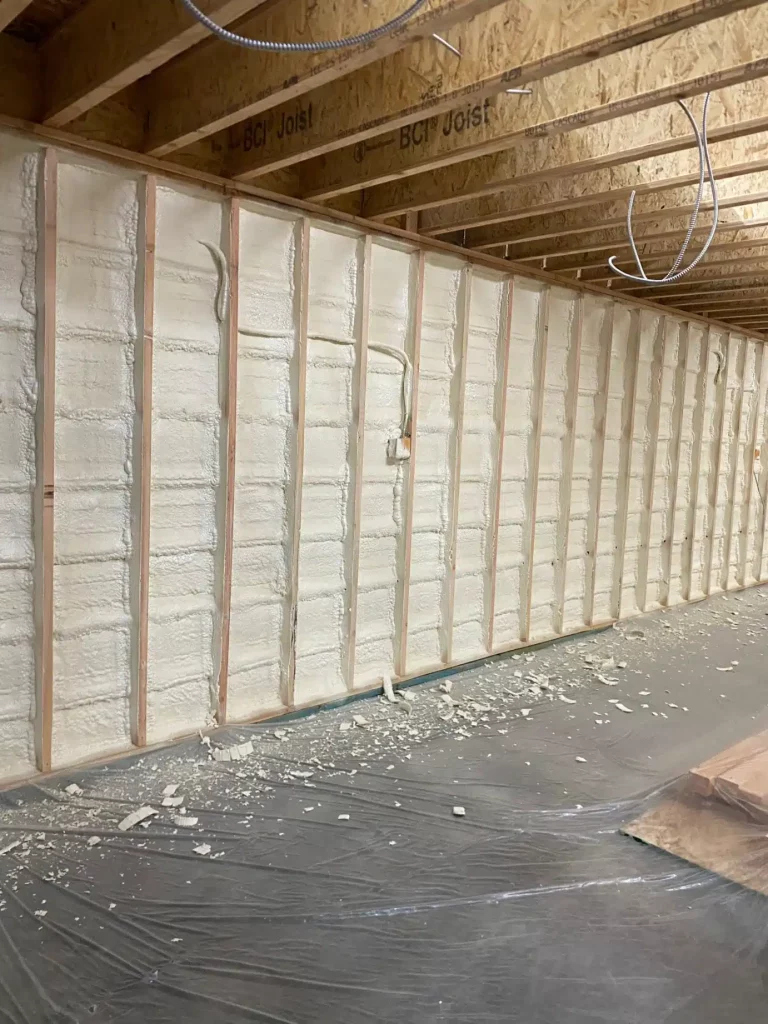
In some spots, open-cell foam asks for trouble. We’d steer you away from it in these cases:
Run through these steps before you sign off on any foam type:
If you’re weighing foam types for a Bonners Ferry home, we’ll look at your walls, attic, and moisture situation and tell you which foam fits. Selkirk Energy Solutions offers a free quote, so you can compare options with real numbers.
Phone: (208) 295-9780
Email: [email protected]
It can. Water may pass through or stain open-cell foam, so a leak is often easier to spot than under closed-cell foam, which can hide it against the roof deck.
Often, yes. Its soft structure absorbs sound well, which helps in interior walls and between floors.
Usually not. Foam bonds best to framing, so old batts typically come out first, and any damp or moldy material should be dealt with before foaming.
It’s usually cheaper per inch, but you need more inches to reach the same R-value. The installed cost per R-value can end up closer than you’d expect.
Generally no. Foam plastics typically need a code-approved thermal or ignition barrier, so the foam gets covered rather than left bare.