Closed-Cell Spray Foam Solutions for Difficult Spaces in Moyie Springs, ID
Closed-cell spray foam is often the most effective way to insulate difficult, hard-to-reach areas in Moyie Springs homes. Because it…


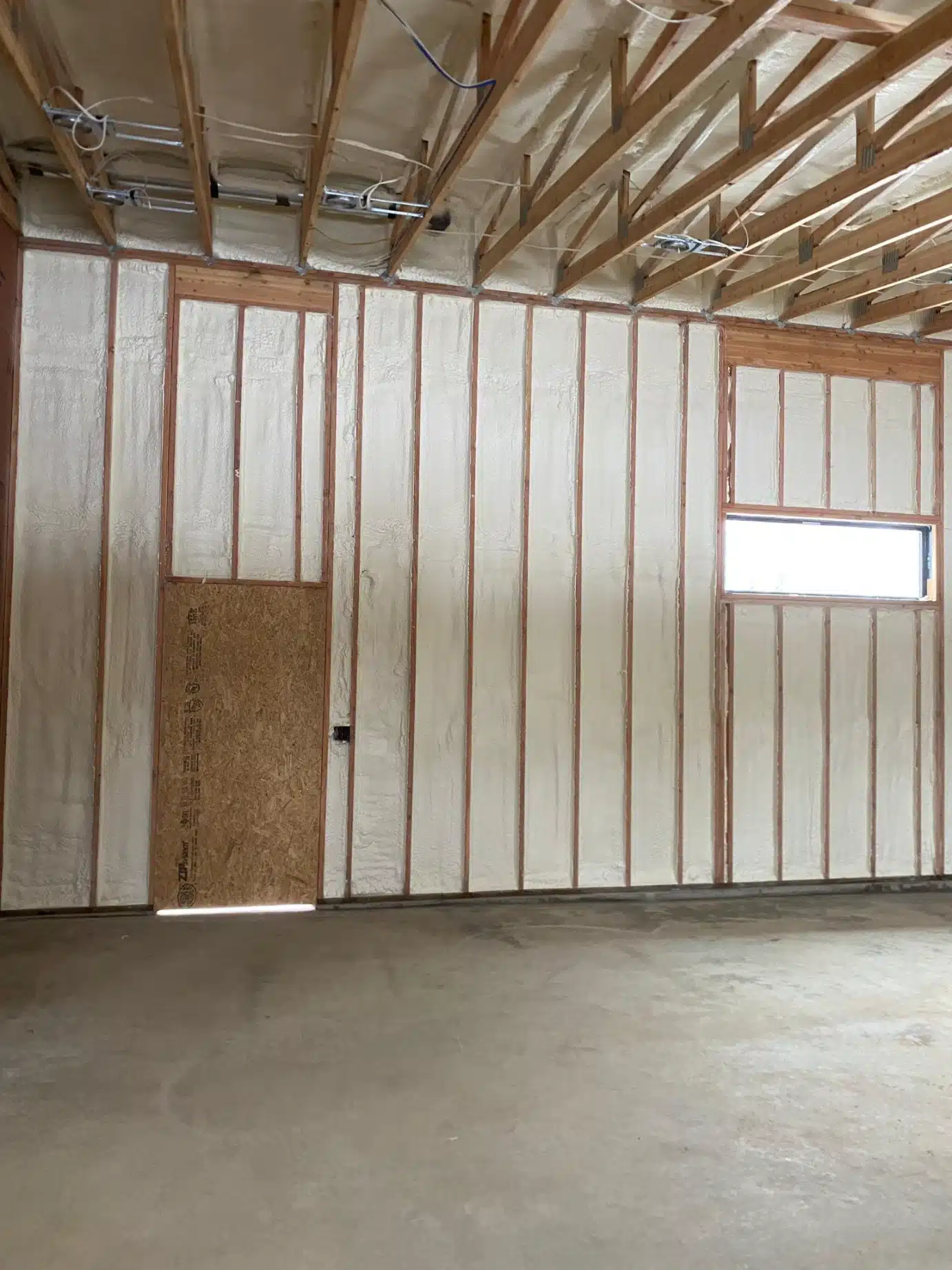
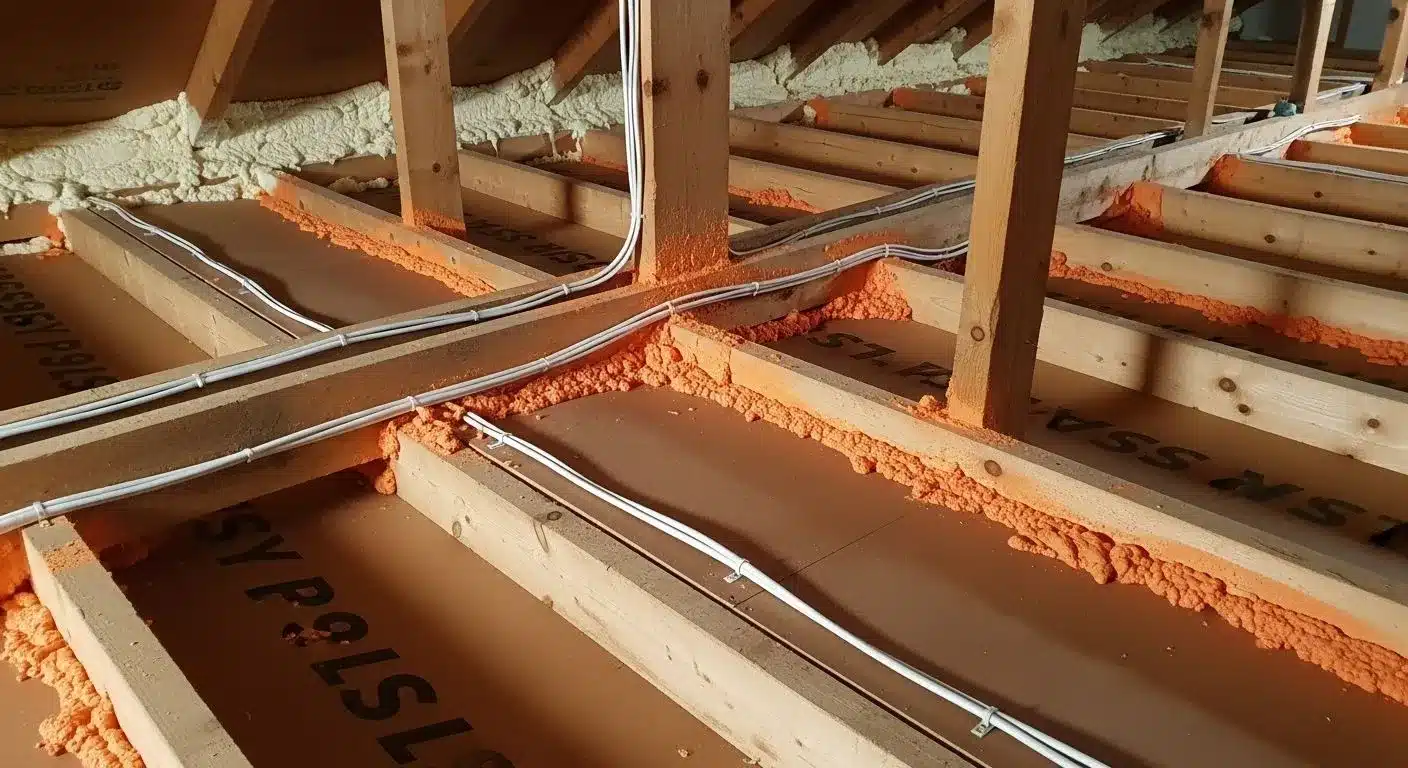
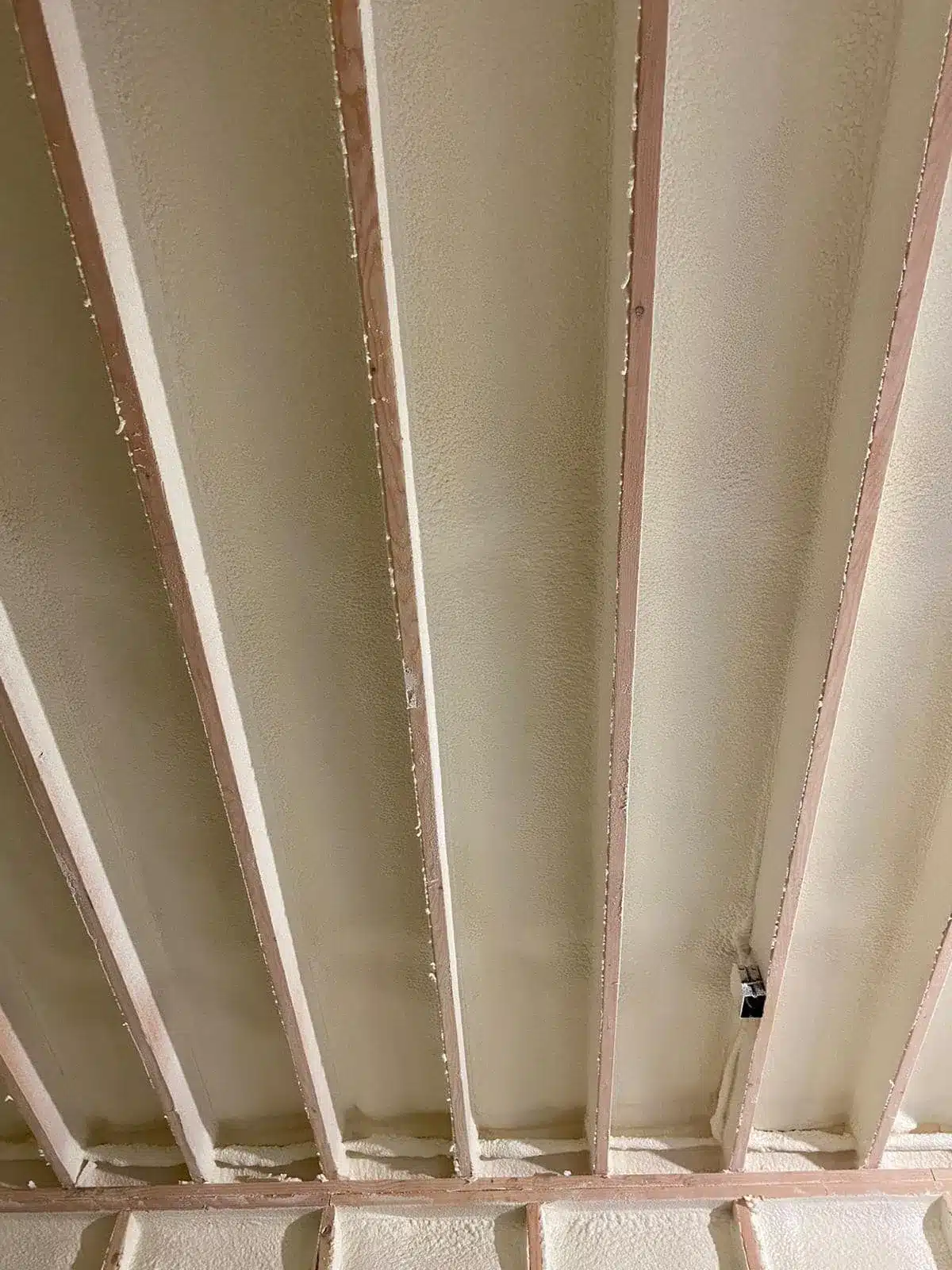
Closed-cell spray foam is often the most effective way to insulate difficult, hard-to-reach areas in Moyie Springs homes. Because it acts as an air barrier, vapor retarder, and high-performance insulation in one, it solves problems that traditional materials like fiberglass batt insulation simply cannot manage in our climate.
If you have rooms that stay cold in the winter, rim joists with drafts, or crawl spaces prone to dampness, this material provides a permanent, structural solution.
In our region, which falls under Climate Zone 6, managing temperature fluctuations and moisture is critical for building longevity. Closed-cell spray foam provides an R-value of approximately 6 to 7 per inch, which is among the highest thermal resistance ratings available for common building materials.
This high performance per inch is what makes it ideal for tight cavities where you cannot fit thick layers of traditional insulation. More importantly, the closed-cell spray foam insulation guide explains how closed-cell foam is a rigid, dense material that adds structural strength to the areas where it is applied. It adheres to wood, metal, and concrete, effectively sealing the building envelope against the air leaks that often drive up heating bills in North Idaho.
Because the cells are completely closed and gas-filled, the foam prevents moisture from passing through the material. Energy.gov notes that closed-cell foam is the only type of spray foam that functions as a vapor retarder, which is essential for preventing condensation buildup in walls and floors when temperatures shift rapidly between our freezing winters and humid shoulder seasons.
Difficult spaces usually fail because they are exposed to the elements or hidden from the home’s main conditioned envelope. Spray foam allows us to bridge these gaps without tearing out walls or floors.
Deciding whether to use closed-cell foam comes down to the specific problem you are trying to solve. If you are looking for the cheapest upfront cost, this is likely not the solution for you; however, closed-cell insulation solutions may be worth considering if you are tired of recurring drafts, moisture issues, or high energy bills, as the long-term performance often justifies the investment.
You should consider closed-cell foam if:
Spray foam is not a typical DIY project. Achieving the required R-value and ensuring the foam cures correctly requires precise control over temperature and pressure. The Environmental Protection Agency emphasizes that improper mixing or application can lead to significant health and safety risks, including the release of hazardous vapors during the curing process.
In Moyie Springs, our building requirements demand insulation that can handle extreme temperature shifts. Our team at Selkirk Energy Solutions understands the specific energy efficiency standards for Idaho’s Climate Zone 6. We ensure that our applications not only seal your home but also meet the code requirements necessary to maintain a healthy, compliant structure.
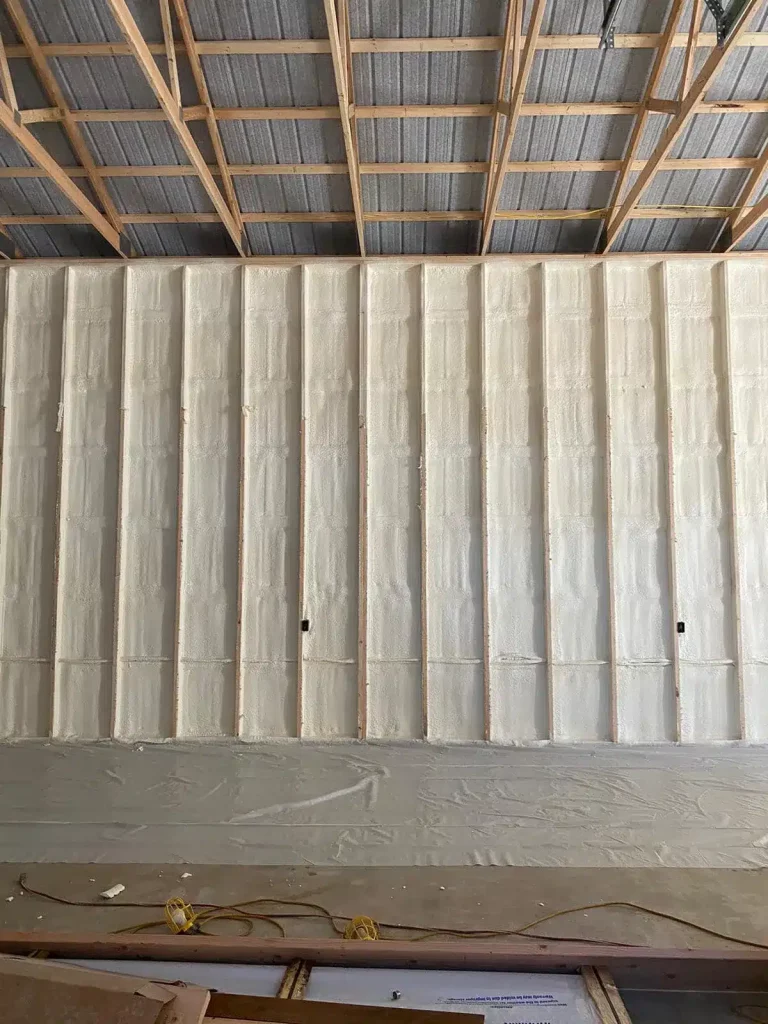
If you are struggling with cold floors, drafts, or moisture in a difficult area of your home, we can help. We specialize in identifying why these issues occur in North Idaho homes and applying the right insulation solution to fix them for good. Check our Google reviews to see what local customers say about their experience with our team.
To discuss your project in Moyie Springs, call us at (208) 295-9780 or email [email protected].
Yes. By sealing the rim joist and walls, the foam prevents outdoor air, moisture, and soil gases from entering your home through the crawl space, which often eliminates the source of musty smells.
Open-cell foam is more affordable and acts as an air barrier, but it is permeable to water vapor. Closed-cell is denser, provides a higher R-value per inch, and acts as a vapor barrier, making it better for moisture-prone areas.
When installed correctly, closed-cell spray foam is a permanent product. It does not settle, sag, or lose its insulating properties over time.
Properly applied foam should have no lingering odor once the curing process is complete. American Chemistry Council guidance notes that ventilation during and immediately after application is critical to ensure a safe environment.
In many cases, yes. To ensure the spray foam bonds directly to the building material, we typically need a clean, dry surface. If there is old, damp, or falling fiberglass insulation in the way, it must be removed first so the foam can create an airtight seal.