How Does Roof Design Influence Spray Foam Insulation Requirements in Dover, ID?
Your roof design is the primary factor that dictates how spray foam insulation should be installed. Because Dover, Idaho, experiences…


Your roof design is the primary factor that dictates how spray foam insulation should be installed. Because Dover, Idaho, experiences cold winters and significant snow loads, spray foam insulation solutions for Dover homes must account for roof geometry to determine whether you can safely seal an attic or need to maintain specific ventilation paths to prevent moisture damage and structural rot.
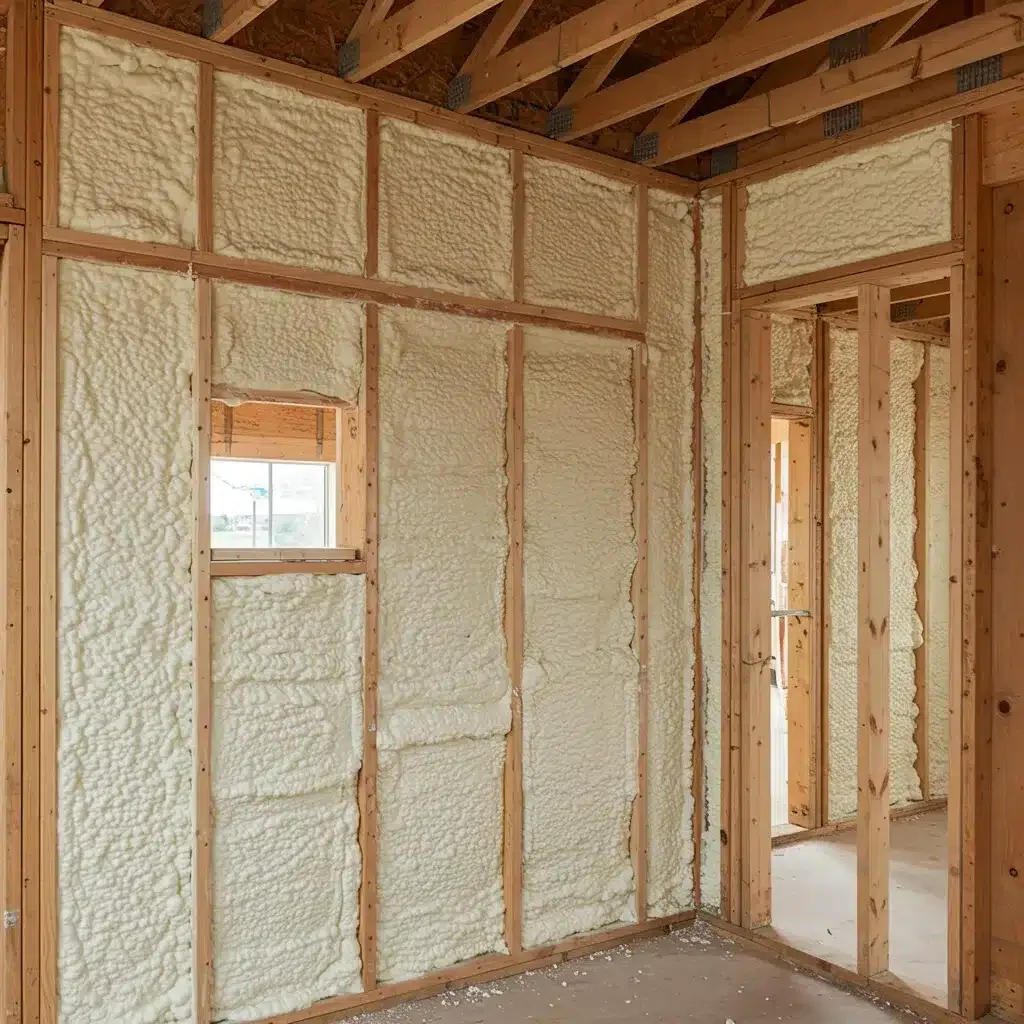
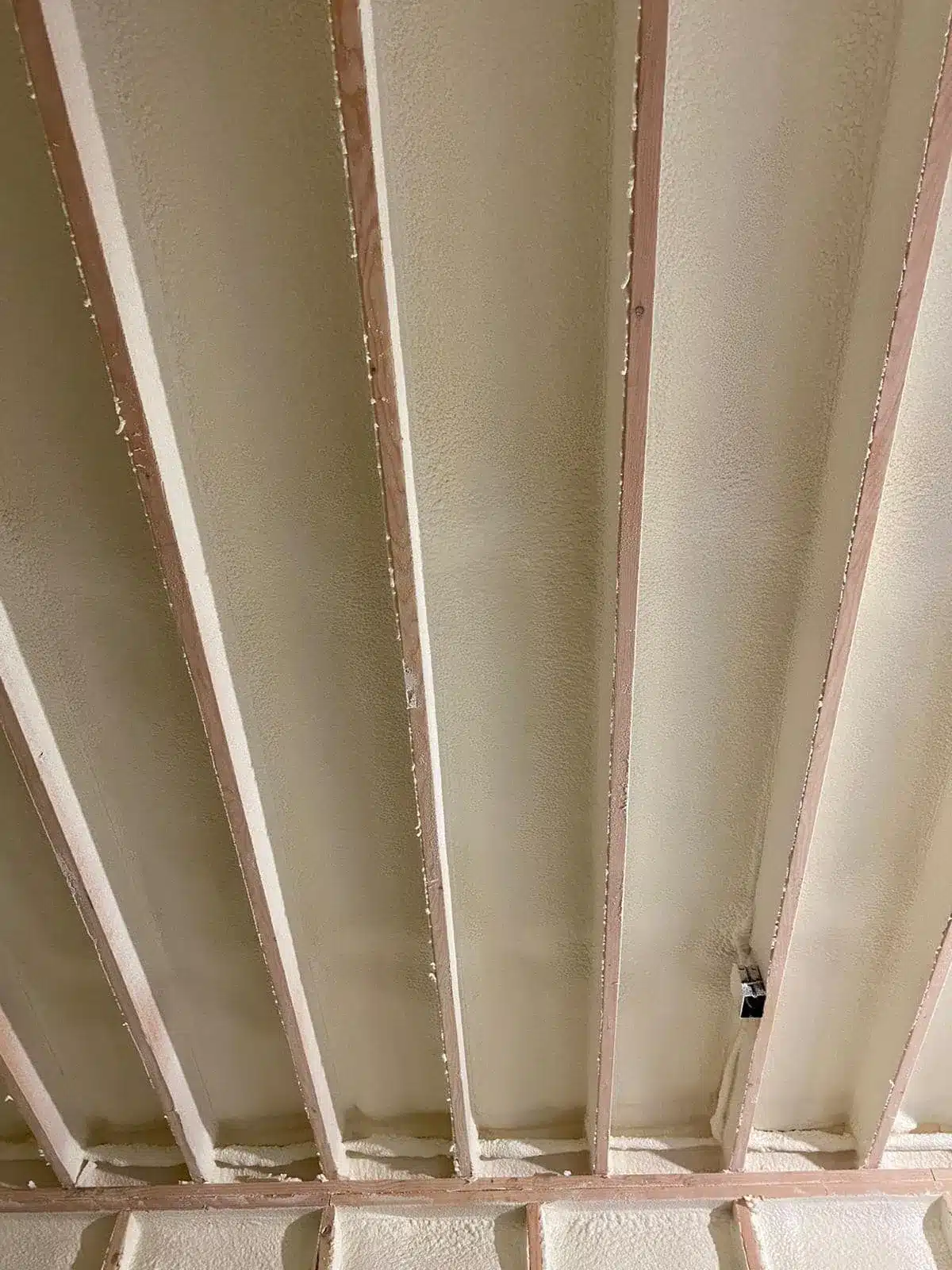
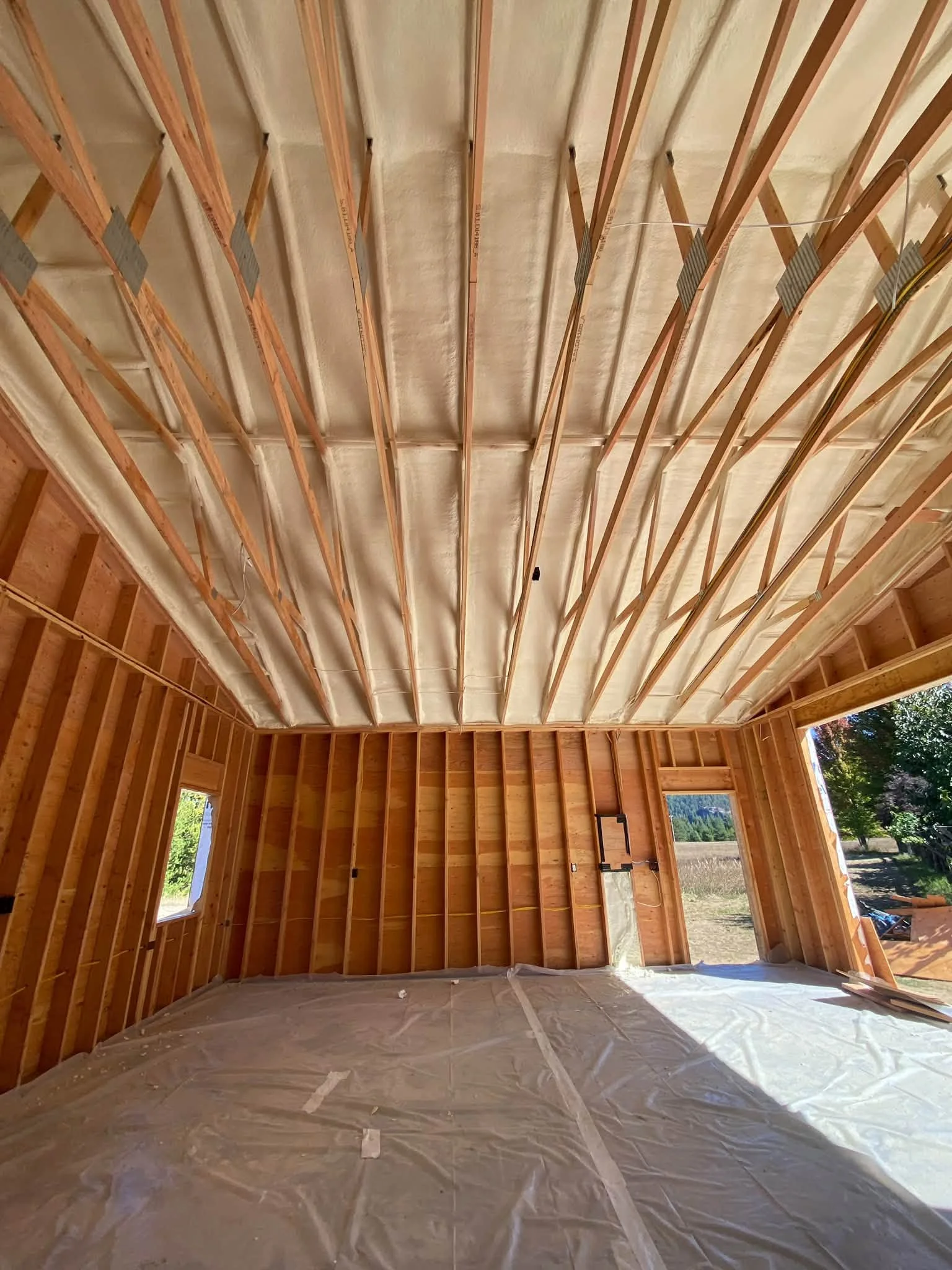
The physical shape of your roof sets the rules for your insulation project. If you have a vaulted or cathedral ceiling, you are working with a limited cavity. In these spaces, there is often no room for traditional air vents, meaning the insulation must act as the primary barrier against both temperature loss and moisture buildup. We typically use closed-cell spray foam in these designs because it provides a high R-value in a thin profile and acts as a vapor retarder, which is necessary to keep the roof deck warm and dry. Our spray foam insulation services can help you choose an appropriate insulation approach for your roof design.
Conversely, a standard pitched roof with an attic provides more flexibility. If the goal is to keep the attic space cold, which is common in our climate to prevent ice dams, we insulate the attic floor rather than the roof deck. If you want to use the attic as conditioned living space, the roof design dictates the transition from a vented assembly to an unvented one. Effective spray foam insulation planning requires precise calculations to ensure you do not trap condensation against the underside of your roof sheathing.
A common point of confusion for homeowners is whether soffit and ridge vents should remain open after spray foam installation. In a traditional “cold roof” design, these vents allow air to circulate, which keeps the roof deck near the outside temperature. This prevents snow from melting on the roof and refreezing at the eaves, the primary cause of ice dams.
When we install spray foam to create an unvented attic, we are fundamentally changing the building science of your roof. According to the International Residential Code, unvented attic assemblies are permitted, but they must be designed to manage vapor movement correctly. If you seal a roof deck with spray foam, you must ensure the insulation is thick enough to prevent the dew point from occurring at the roof sheathing. Failing to do this in our region leads to hidden condensation and wood rot, which can compromise the entire roof structure over time.
Dover falls into Climate Zone 6, which is characterized by very cold winters. In this climate, moisture management is the most important technical challenge. Warm, moist air from your home naturally moves upward. If this air hits a cold surface, it turns into water.
Closed-cell spray foam is often the preferred solution in our area because its density makes it a vapor retarder. It stops moisture from reaching the cold roof deck. If your roof design has complex angles or dormers, these areas are particularly prone to air leaks. A proper spray foam application seals these transitions, which a standard fiberglass batt cannot do effectively.
Not all spray foam is identical. The choice between open-cell and closed-cell foam is driven by your roof’s structural requirements and your moisture management goals.
| Feature | Open-Cell Foam | Closed-Cell Foam |
|---|---|---|
| Density | Lightweight, porous | Dense, rigid |
| Vapor Barrier | Permeable (allows some vapor) | Acts as a vapor retarder |
| R-Value | Lower per inch | Higher per inch |
| Structural Benefit | Minimal | Adds structural rigidity |
| Primary Use | Large cavities, sound dampening | Roof decks, areas with moisture risk |
According to the U.S. Department of Energy, closed-cell spray foam provides higher thermal resistance per inch than open-cell foam and offers greater resistance to moisture vapor movement, making it a suitable option for certain roof assemblies in Idaho’s cold climate. Open-cell foam is excellent for soundproofing and filling large joist cavities, but it usually requires an additional vapor retarder in our climate zone to prevent moisture issues.
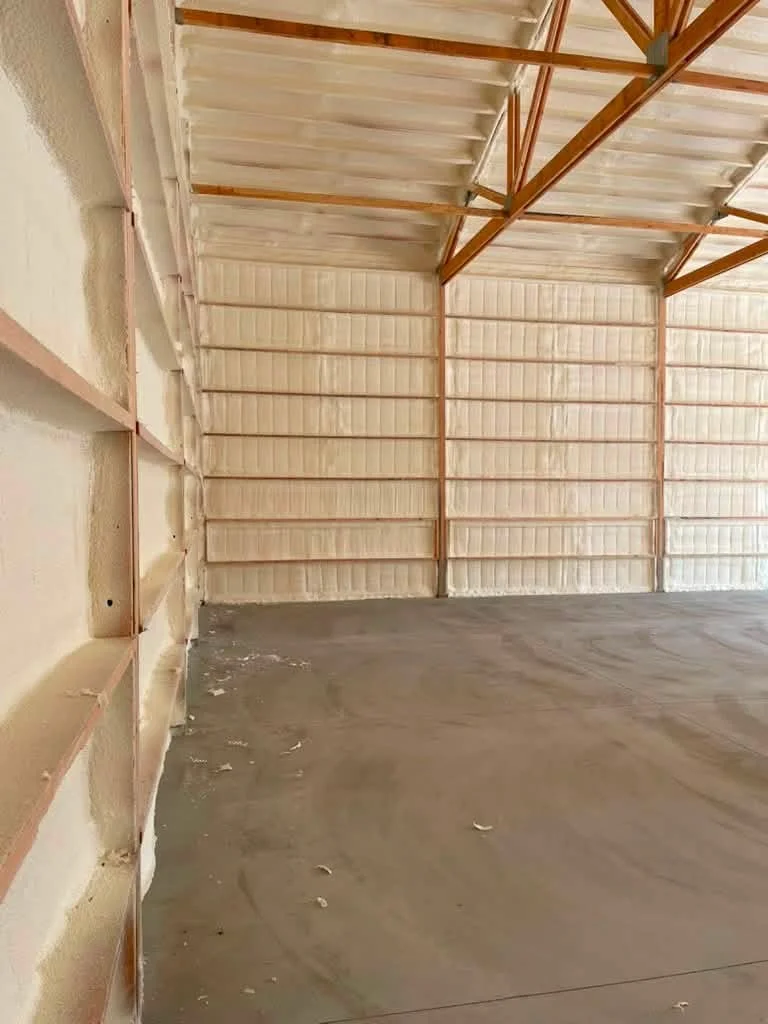
The success of your insulation depends on the conditions during the application. Spray foam is a chemical reaction that is highly sensitive to the temperature of the substrate. Find us on Google to learn more about our insulation services. If the roof deck is too cold or damp, the foam will not adhere correctly, leading to gaps where air can bypass the insulation.
We always inspect the roof deck for existing signs of water damage before we begin. If there is a pre-existing leak, spray foam will hide it rather than fix it, which can cause the roof structure to rot from the inside out. Furthermore, we must ensure that all electrical wiring and recessed lighting fixtures are compatible with the heat-trapping nature of foam insulation.
Managing the transition to an energy-efficient roof requires a professional approach to building science. Selkirk Energy Solutions specializes in helping Dover homeowners navigate the complexities of Idaho energy codes and local climate requirements. We don’t just apply insulation; we assess your roof’s specific design to ensure the air sealing and moisture control strategies are compatible with your home’s structural integrity.
If you are considering spray foam for your home, we should look at your roof’s current venting and construction. Contact us at (208) 295-9780 or email [email protected] to schedule a site assessment.
No, if installed correctly. Rot occurs when moisture is trapped. Proper foam thickness and vapor control prevent condensation from ever reaching the roof deck.
Yes, but we must first ensure your roof deck is in good condition and free of existing leaks, as foam will seal over any current issues.
Some manufacturers have specific requirements regarding ventilation. It is essential to check your shingle warranty before moving to an unvented assembly.
It has a higher upfront cost, but the performance benefits in our climate, including air sealing and thermal resistance, typically provide a better long-term return.
Spray foam requires specialized equipment, precise temperature control, and professional expertise to mix the chemicals correctly. Improper application can result in toxic odors or structural failure.