

Are you tired of watching your heating and cooling bills climb higher every season? Do you find yourself constantly adjusting the thermostat, trying to find that perfect temperature that never seems to last? If these frustrations sound familiar, you’re not alone. Millions of homeowners struggle with energy inefficiency and comfort issues that stem from inadequate insulation. The good news is that modern insulation solutions exist that can solve these problems once and for all. Spray foam insulation has emerged as one of the most effective options available today, offering superior performance compared to traditional materials like fiberglass and cellulose.
This comprehensive guide will walk you through everything you need to know about spray foam insulation. You’ll learn what it is, how it works, the different types available, and whether it’s the right choice for your home. We’ll break down the installation process, examine costs and return on investment, and address common homeowner concerns. By the end of this guide, you’ll have all the information needed to make an informed decision about upgrading your home’s insulation. After years of working with hundreds of homeowners on insulation projects, we’ve compiled the most critical insights and practical advice to help you achieve better comfort and lower energy bills.
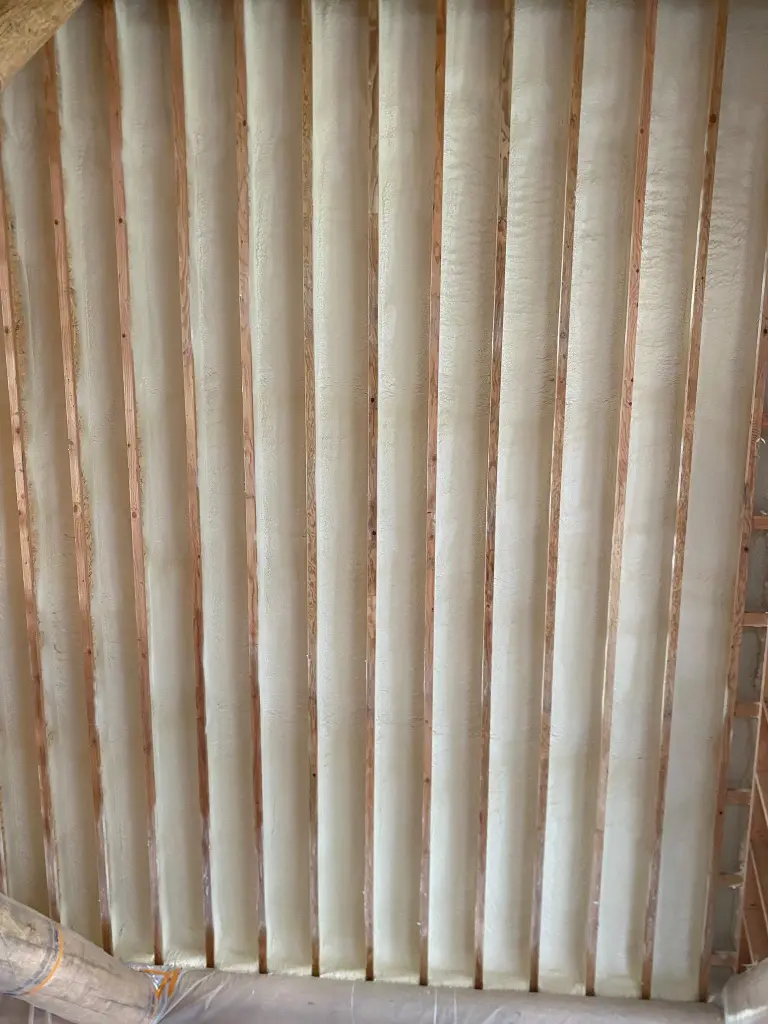
Spray foam insulation is a two-component liquid that expands on contact to create an insulating barrier. The product consists of polyurethane foam that’s sprayed onto surfaces as a liquid, then expands to fill gaps, cracks, and cavities. Unlike traditional insulation materials that are cut to fit and leave spaces, spray foam conforms to any shape, creating a continuous air-tight seal. This unique application method allows it to fill every nook and cranny, eliminating the gaps and drafts that plague other insulation types.
The science behind spray foam insulation is fascinating. When the two chemical components (an iso component and a resin component) mix at the spray nozzle, they trigger an exothermic reaction that causes rapid expansion. This reaction creates a cellular structure made of tiny bubbles or cells, which is what gives the material its insulating properties. The trapped gas within these cells reduces heat transfer by conduction, while the continuous barrier prevents air movement through convection.
Two main categories of spray foam exist: open-cell and closed-cell. The difference lies in the structure of the cells. Open-cell foam has cells that aren’t fully enclosed, making it softer and more flexible, like a sponge. Closed-cell foam has completely sealed cells, making it denser, stronger, and more resistant to moisture. Both types provide excellent insulation, but they have different applications and performance characteristics.
Spray foam insulation offers advantages that go far beyond what traditional materials can provide. The most significant benefit is its superior thermal performance. According to the U.S. Department of Energy, properly installed spray foam can reduce heating and cooling costs by up to 50% compared to traditional insulation materials. These impressive energy savings come from two primary factors: its high R-value per inch and its air sealing capabilities.
The air sealing properties of spray foam are perhaps its most valuable feature. While traditional insulation may leave gaps and seams that allow air leakage, spray foam creates a monolithic barrier that stops air movement completely. This eliminates drafts, cold spots, and the stack effect that pulls air through your home. The result is more consistent temperatures throughout your living space and reduced strain on your HVAC system.
Moisture control is another critical advantage. Closed-cell spray foam acts as a vapor barrier when applied at sufficient thickness, preventing moisture from passing through walls and ceilings. This helps prevent mold growth, wood rot, and other moisture-related problems that can compromise your home’s structure and indoor air quality. Even open-cell foam, while not a vapor barrier, allows moisture to dry through the material, reducing the risk of trapped moisture.
Additional benefits include:
Key Takeaways: Spray foam insulation provides superior energy efficiency through high R-values and exceptional air sealing. It also offers moisture control, structural benefits, and sound reduction that traditional insulation materials cannot match. The combination of these benefits can lead to significant energy savings and improved home comfort.
Understanding the differences between spray foam types is essential for choosing the right product for your needs. The two main categories—open-cell and closed-cell—have distinct characteristics that make them suitable for different applications.
Open-cell spray foam is the softer, more flexible option. It has an R-value of approximately 3.5 per inch, which is lower than closed-cell but still higher than most traditional insulation materials. The cells in open-cell foam are intentionally left open, giving the material a sponge-like texture that allows moisture vapor to pass through. This makes it ideal for interior applications where moisture management is important but a vapor barrier isn’t needed.
Open-cell foam expands significantly during application—up to 100 times its original volume. This expansion allows it to fill irregular spaces completely, making it excellent for hard-to-reach areas and complex cavities. It’s also typically less expensive than closed-cell foam, making it a budget-friendly option for large areas.
Closed-cell spray foam is denser and more rigid than open-cell. It has a higher R-value of approximately 6.5 per inch, providing more insulation in less space. The cells are completely sealed and filled with gas, which gives the foam its superior insulating properties and makes it impermeable to moisture.
The density of closed-cell foam provides additional benefits beyond insulation. It adds structural strength to walls and can serve as a water barrier in some applications. It also has a higher compressive strength, making it suitable for areas that need to bear weight or resist impact. However, these benefits come at a higher cost—closed-cell foam is typically 30-50% more expensive than open-cell.
Expert Tip: In many climates, the best approach is to use both types of foam in different applications. For example, use closed-cell foam on exterior walls and roofs for maximum R-value and moisture protection, while using open-cell foam in interior partitions where sound dampening is the primary goal.
The following table compares the key differences between these two types:
| Characteristic | Open-Cell Foam | Closed-Cell Foam |
|---|---|---|
| R-Value per Inch | ~3.5 | ~6.5 |
| Density | 0.5 lb/ft³ | 1.5-2.0 lb/ft³ |
| Expansion Rate | Up to 100x | Up to 30x |
| Vapor Barrier | No (permeable) | Yes (impermeable) |
| Cost | Lower | Higher |
| Best Applications | Interior walls, attics | Exterior walls, roofs, foundations |
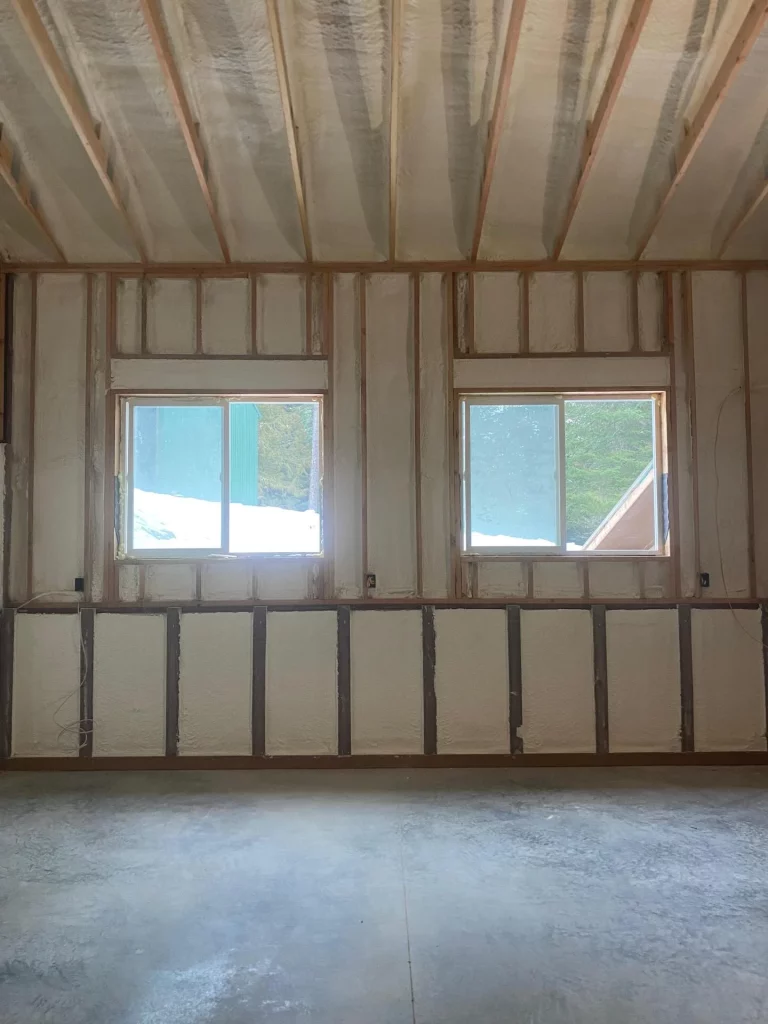
Proper installation is critical for spray foam to perform as intended. Unlike DIY-friendly insulation materials like fiberglass batts, spray foam installation requires professional equipment, training, and safety protocols. The process begins with thorough preparation of the work area.
Before any spraying begins, the area must be properly prepared. This includes removing existing insulation if necessary, cleaning surfaces, and ensuring they are dry. Any materials that could be damaged by overspray must be protected or removed. The installation team will also set up ventilation systems to manage fumes during and after application.
Expert Tip: The best time to install spray foam is during new construction or major renovations when walls are open. This allows for complete coverage and proper integration with other building systems. Retrofitting existing homes is possible but more complex and expensive.
The actual application follows a systematic approach:
Safety during installation is paramount. Spray foam chemicals contain isocyanates, which can cause respiratory irritation and other health issues if not handled properly. Professional installers use full protective equipment, including respirators, gloves, and protective clothing. The area must be ventilated during application and for a period afterward until the foam has fully cured.
Occupants should plan to vacate the premises during installation and for 24-48 hours afterward, depending on the product used. A professional installer will provide specific guidance based on the products used and your home’s ventilation capabilities.
Understanding the financial implications of spray foam insulation is essential for making an informed decision. While the upfront cost is higher than traditional insulation, the long-term savings often justify the investment.
Expense Overview Open-cell foam is the economical choice, while dense closed-cell foam typically costs twice as much. Pricing is calculated by the “board foot” (one square foot at one inch thick); for example, a standard 2×4 wall requires 3.5 board feet per square foot of wall area.
Additional Factors: Final quotes often include extra fees for:
Overall, total project costs vary significantly based on home size and the specific scope of work.
Several variables influence the final price:
The payback period for spray foam insulation depends on local energy costs and climate conditions. However, most homeowners see a return on investment within 3-5 years through reduced energy bills.
Beyond energy savings, spray foam can increase your home’s value. According to a report from the Appraisal Institute, energy-efficient features can increase a home’s value by up to 10%. Additionally, homes with superior insulation often sell faster and command higher prices.
Key Takeaways: While spray foam insulation has higher upfront costs than traditional materials, the long-term savings through reduced energy bills, increased home value, and improved comfort provide a compelling return on investment. Most homeowners recover their investment within 3-5 years while enjoying superior comfort for the life of their home.
Even with proper installation, spray foam insulation projects can encounter challenges. Understanding these potential issues helps prevent them and ensures successful outcomes.
Improper installation is the most common source of problems with spray foam insulation. Issues include:
Expert Tip: Always verify that your installer is certified by the manufacturer and has significant experience with spray foam. Ask for references and photos of previous projects before signing a contract.
Improperly installed spray foam can trap moisture, leading to serious problems. This is particularly a concern in cold climates where warm indoor air can condense within wall assemblies. The solution is ensuring proper integration with other building components, including appropriate vapor barriers where needed.
In some retrofit situations, spray foam applied over existing insulation can create moisture problems. A thorough assessment of existing conditions is necessary before installation. This may involve moisture testing or using hybrid approaches that combine different insulation types.
Building codes vary by region and have specific requirements for spray foam insulation. Common code requirements include:
Working with a knowledgeable installer who understands local codes helps ensure compliance and avoids costly corrections.
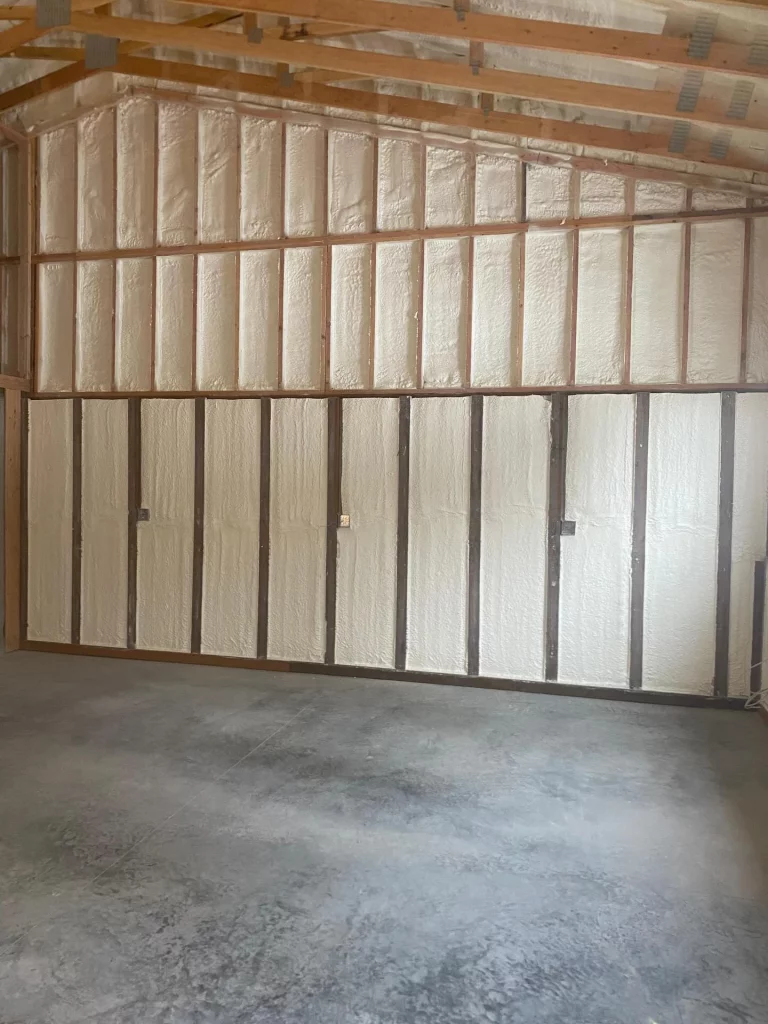
How do you know if your spray foam insulation is performing as expected? Several methods can help evaluate effectiveness and identify any issues that might need attention.
The most straightforward way to measure performance is by tracking energy bills. Compare your heating and cooling costs before and after installation. Look for reductions in both consumption and costs. For the most accurate comparison, use the same billing periods from year to year to account for seasonal variations.
Many homeowners see immediate reductions of 20-50% in heating and cooling costs, according to the U.S. Environmental Protection Agency. However, keep in mind that weather variations and energy price fluctuations can affect bills from year to year.
Beyond bills, consider how your home feels. Are temperatures more consistent throughout the house? Are cold spots and drafts eliminated? These qualitative improvements are significant indicators of success. Many homeowners report dramatic comfort improvements even before they see their first reduced energy bill.
For a more scientific assessment, consider a professional energy audit before and after installation. An auditor can use tools like blower door tests to measure air leakage reduction and infrared cameras to identify any remaining problem areas. This provides objective data on the insulation’s performance.
Spray foam insulation should maintain its performance for decades without degradation. Periodic checks of areas like crawl spaces and attics can help ensure the material remains intact. Look for any signs of damage, gaps, or deterioration, particularly after extreme weather events or construction activities in your home.
The insulation industry continues to evolve, with new technologies and formulations improving performance and environmental impact. Understanding these trends helps future-proof your insulation investment.
Environmental concerns have driven the development of more sustainable spray foam products. New formulations use:
According to industry research from Spray Polyurethane Foam Alliance, these innovations have reduced the carbon footprint of spray foam insulation by up to 30% over the past decade.
The future of insulation includes integration with smart home technologies. Some emerging trends include:
Installation methods are also evolving to improve efficiency and consistency:
These advances will likely reduce costs and improve quality control, making spray foam insulation even more attractive in the coming years.
Now that you have a comprehensive understanding of spray foam insulation, you’re well-positioned to decide whether it’s right for your home. The key takeaways are clear: spray foam offers superior performance through higher R-values and exceptional air sealing, leading to significant energy savings and improved comfort. While the upfront investment is higher than traditional materials, the long-term benefits and return on investment make it a compelling choice for many homeowners.
Your next steps should include evaluating your current insulation situation, assessing your energy bills and comfort issues, and consulting with qualified professionals in your area. Consider getting multiple quotes and asking detailed questions about experience, certifications, and previous projects. Remember that proper installation is just as important as the product itself choose your installer carefully.
This guide serves as a reference as you move forward with your insulation decisions. Refer back to the sections on types, costs, and installation as needed. Every home is different, but the principles of good insulation remain the same: eliminate air leaks, provide adequate thermal resistance, and manage moisture properly. When done right, spray foam insulation addresses all three elements effectively.
Making decisions about home insulation can be complex, with many factors to consider based on your specific situation. If you’d like personalized guidance about spray foam insulation for your home, the professionals at Selkirk Energy Solutions are here to help. With years of experience in insulation assessment and installation, we can evaluate your needs and recommend the most effective solution. Reach out for a consultation at [email protected] or call (208) 295-9780 to discuss how spray foam insulation might benefit your home.
When properly installed, spray foam insulation lasts for the lifetime of your home without degradation. Unlike fiberglass that can settle or compress over time, spray foam maintains its cellular structure and insulating properties indefinitely. Most manufacturers provide warranties of 20-30 years, but the material’s actual lifespan extends well beyond that period.
Professional installation is strongly recommended for spray foam insulation. The equipment requires specialized training to operate safely and effectively. The chemicals involved can be hazardous without proper protective equipment and ventilation. Additionally, achieving the proper thickness and coverage requires experience that DIY installers typically lack. The cost savings of DIY installation rarely outweigh the risks and potential for improper application.
Spray foam insulation does not need routine replacement. It’s a permanent solution that maintains its performance for decades. The only reasons replacement might be necessary are if the insulation was improperly installed initially, if it has been physically damaged, or if modifications to the building require removal. In most cases, once installed, spray foam requires no maintenance or replacement.
When properly installed and fully cured, spray foam insulation is completely safe for occupants. The primary concerns are during installation, when the chemicals are still reacting and off-gassing. Professional installers use appropriate safety equipment and ventilation during application. After the recommended curing period (typically 24-48 hours), the material becomes inert and stable. Some products with low-VOC formulations cure more quickly, reducing the required ventilation time.
Spray foam insulation has higher upfront costs than traditional materials like fiberglass or cellulose. On average, spray foam costs 2-3 times more per square foot than fiberglass batts. However, the lifetime costs often favor spray foam due to significantly lower energy bills, reduced maintenance, and longer lifespan. The payback period varies by climate and energy costs, but typically ranges from 3-5 years.
In some cases, spray foam can be installed over existing insulation, depending on the situation. In attics, a common approach is to leave existing insulation on the floor and spray foam the roof deck (creating a conditioned attic). In walls, existing insulation must be removed to ensure proper cavity filling. Installing over existing insulation can trap moisture or prevent proper foam expansion, soa professional assessment is essential to determine the best approach.