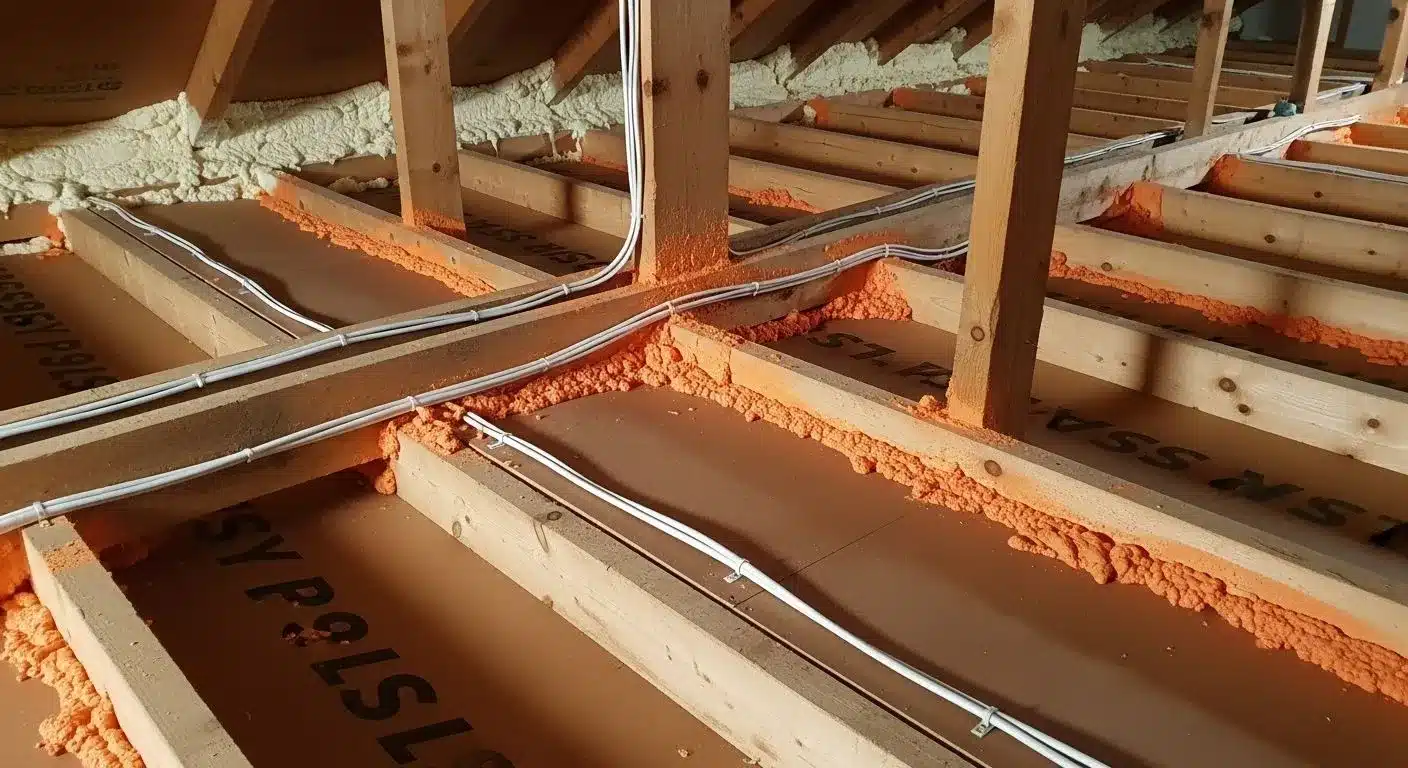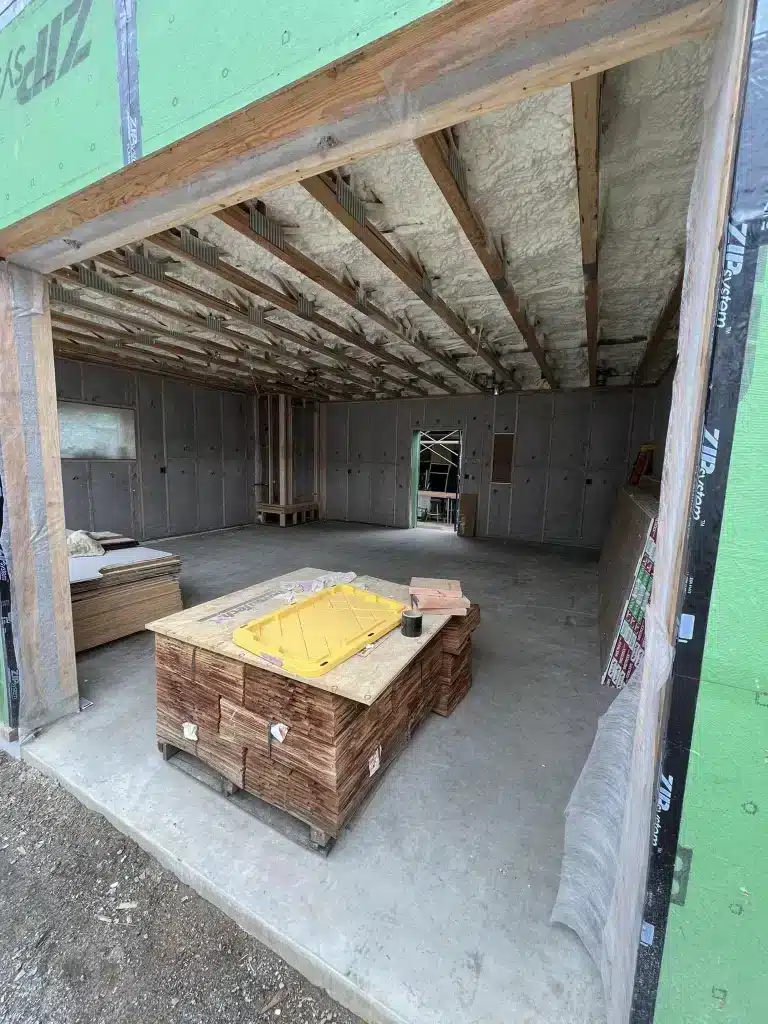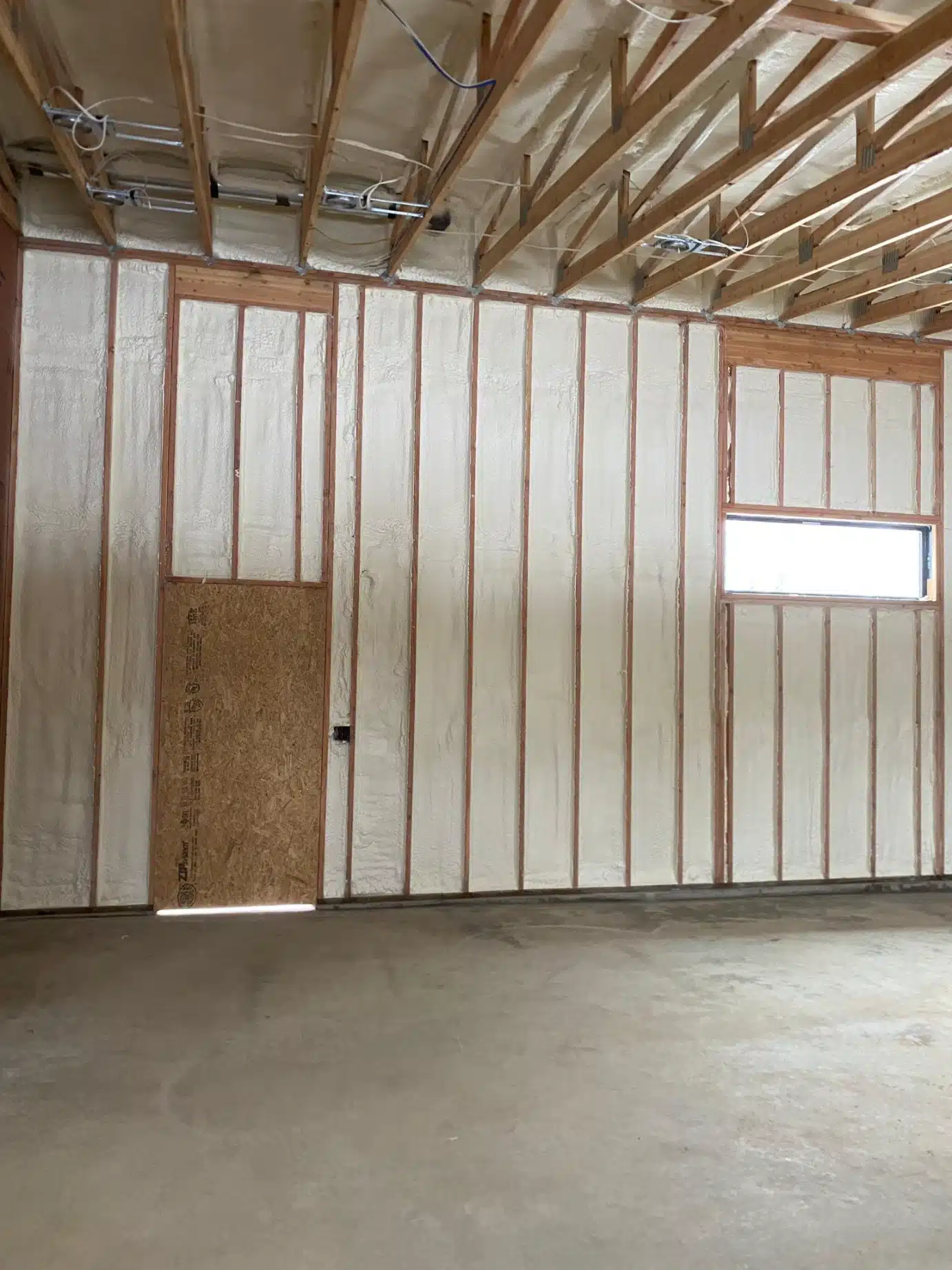
How Can Spray Foam Insulation Help Reduce Persistent Drafts in Garwood, ID Homes?
Spray foam insulation reduces persistent drafts because it works as an insulation and an air barrier in a single application.…


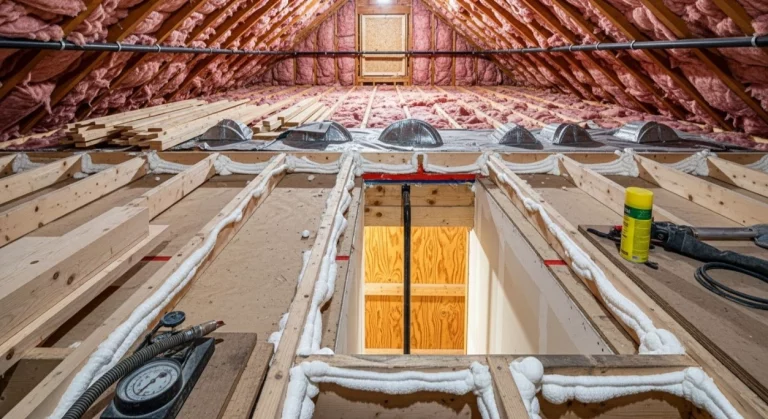
Yes, air sealing is one of the most effective ways to prevent condensation in your attic space, especially here in Spirit Lake, Idaho, where cold winters create ideal conditions for moisture buildup. Warm, humid indoor air naturally rises, and when it escapes through gaps and penetrations in your ceiling plane into a cold attic, that moisture condenses on chilly surfaces like roof sheathing, trusses, and nails. Air sealing blocks those escape routes, keeping moisture-laden air inside your living space where it belongs. Combined with proper ventilation and adequate insulation, air sealing addresses the root cause of attic condensation rather than just managing the symptoms. For homeowners in North Idaho’s cold climate zone, this strategy is not optional; it is essential for protecting your roof structure, indoor air quality, and energy efficiency.
Spirit Lake experiences long, cold winters where temperatures routinely dip well below freezing. This climate creates a specific set of conditions that make attic condensation a real threat to homes throughout North Idaho.
Condensation occurs when warm, moisture-laden air from your living space rises and meets cold surfaces in your attic. The stack effect, which is the natural upward movement of warm air, creates pressure that forces indoor air through every available gap in your ceiling plane. When that warm air hits a cold roof deck or truss, the water vapor it carries condenses into liquid, or in extreme cold, freezes as frost.
According to the Building America Solution Center, condensation is caused by three factors working together: cold surfaces below the dewpoint, a pressure differential driving air leakage through holes in the air barrier, and high humidity in warm indoor air. All three of these conditions are present in Spirit Lake homes throughout the winter.
The Idaho Energy Conservation Code acknowledges this risk directly, noting that energy code provisions for air sealing protect against condensation and potential pollutants that can be drawn into the home. Following these code requirements helps manage conditions that affect building integrity and occupant health, including moisture and temperature.
Air sealing works by eliminating the pathways that allow warm, humid indoor air to escape into your attic. Think of your ceiling plane as a boundary between two very different environments: your comfortable living space and the cold, vented attic above. Every gap in that boundary is a potential conduit for moisture.
The key insight from building science research is that most moisture enters attics through air movement, not through vapor diffusion. According to Building Science Corporation, the main strategy for preventing moisture problems is the elimination of air movement, particularly exfiltrating air in cold climates. This is accomplished by installing a continuous air barrier system at the ceiling plane.
When we seal your attic, we target every penetration and gap that connects your living space to the attic. This includes areas you might not think about, such as the spaces behind kneewalls, around ductwork, and under dropped soffits above kitchen cabinets.
| Air Leak Location | How Moisture Enters | Sealing Method |
|---|---|---|
| Recessed light fixtures | Warm air rises through fixture housing | Cover with fire-rated box, seal edges |
| Plumbing penetrations | Air follows pipes through ceiling holes | Expanding foam or caulk around pipes |
| Electrical wiring holes | Air travels along wire paths | Fire-rated caulk or foam |
| Attic hatch or pull-down stair | Large opening when not properly weatherstripped | Weatherstrip plus insulated cover |
| Furnace or water heater flue | Major pathway for warm air rise | Aluminum flashing with high-temp caulk |
| Dropped soffits over cabinets | Open stud cavities act as air chases | Rigid material cover plus sealant |
| Duct and chimney chases | Hollow framing channels move air freely | Blocking material plus foam seal |
Understanding why air sealing works requires a brief look at the physics involved. Your home’s indoor air during winter contains moisture from daily activities like showering, cooking, and even breathing. That moisture wants to move from warm areas to cold areas, and it travels primarily on currents of air.
When your ceiling plane has dozens of small gaps, the warm, humid indoor air is continuously pushed upward by the stack effect. Even the natural buoyancy of warm air is enough to create the pressure differential needed to force this moist air through tiny holes. Larger pressure differences from wind, unbalanced mechanical ventilation, or leaky ducts in the attic make the problem worse.
The ENERGY STAR Attic Air Sealing Project guide describes a telltale sign of this problem: dirty insulation in the attic. When air filters through insulation over time, it deposits dust and debris, leaving visible dark streaks. In cold weather, you may also see frosty areas where warm, moist air has condensed and then frozen as it meets cold attic air.
By sealing these gaps, you cut off the supply of moisture to the attic. No moisture-laden air reaching cold surfaces means no condensation forming on your roof deck, trusses, or insulation.
Spirit Lake and the broader North Idaho region fall into a cold climate zone, which means specific challenges for attic moisture management. Our winters bring heavy snowfall and sustained periods of below-freezing temperatures. These conditions increase both the likelihood and the severity of attic condensation.
Homes in our area often feature complex roof designs, cathedral ceilings, and varied architectural styles that create more potential air leak points. Many homes in the 83864 zip code were built before modern energy codes required rigorous air sealing, meaning older homes are especially vulnerable.
The Idaho Energy Conservation Code now requires air sealing of all penetrations in the building envelope, including gaps around can lights, plumbing, electrical outlets, windows, and doors. This code requirement exists precisely because uncontrolled air leakage leads to condensation, energy waste, and potential health hazards.
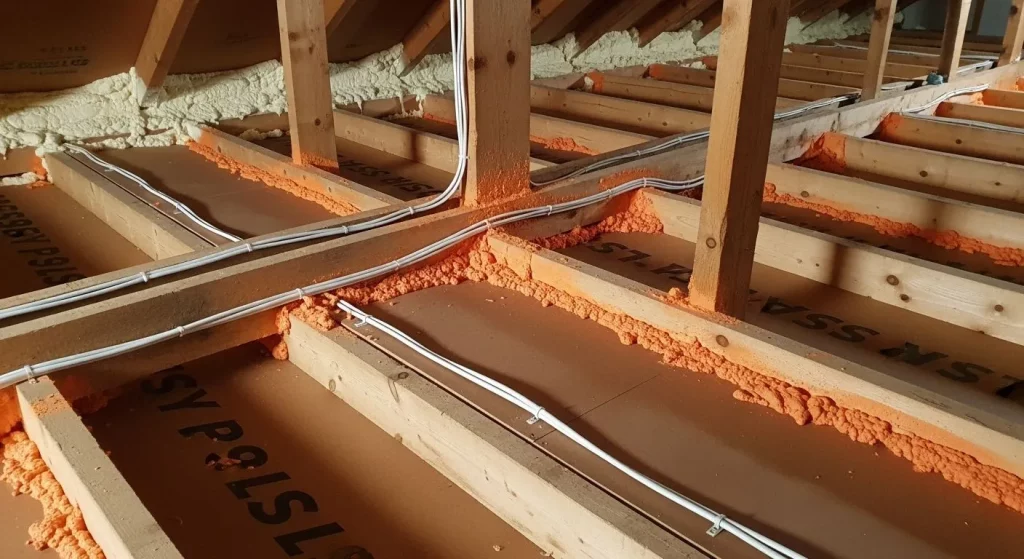
When our team at Selkirk Energy Solutions performs air sealing in your Spirit Lake attic, we follow a systematic approach backed by building science principles.
Assessment: We inspect your attic for all air leak locations, checking insulation depth, looking for signs of existing moisture damage, and evaluating ventilation adequacy.
Prioritized Sealing: We target the largest leak sources first, since these produce the biggest improvement. Dropped soffits, open stud cavities behind kneewalls, and large penetrations around flues and ducts get addressed before smaller gaps.
Material Selection: We use appropriate materials for each situation. High-temperature caulk for areas near furnace flues, expanding foam for plumbing and electrical penetrations, rigid materials to cover large openings, and fire-rated assemblies around recessed lights.
Insulation and Ventilation Check: After sealing, we verify that insulation is properly installed and that soffit vents remain unblocked so your attic can still breathe.
Our air sealing pricing for the Spirit Lake area typically ranges from $0.50 to $2.00 per square foot, with the final cost depending on factors like attic accessibility, the number and size of penetrations, and whether mold or moisture issues need to be addressed first.
| Strategy | How It Works | Effectiveness for Condensation | Best Used With |
|---|---|---|---|
| Air Sealing | Blocks warm air from reaching attic | High (addresses root cause) | Insulation + ventilation |
| Attic Ventilation | Flushes moisture from attic space | Moderate (manages symptoms) | Air sealing |
| Insulation | Slows heat transfer through ceiling | Moderate (keeps attic colder) | Air sealing + ventilation |
| Dehumidification | Reduces indoor moisture levels | Low to moderate | Air sealing |
| Vapor Retarder | Slows vapor diffusion through materials | Low (diffusion is minor path) | Air sealing |
The table above shows why air sealing stands out. Ventilation and insulation are important, but neither stops the actual movement of moisture-laden air into the attic. Air sealing attacks the problem at its source. The Building America Solution Center confirms that air sealing at the ceiling plane provides the best opportunity to limit condensation in extreme conditions, and this work also helps prevent ice dams.
Older homes (pre-2000): These homes in the Spirit Lake area were often built with minimal air sealing. We recommend a full attic assessment with blower door testing to identify the extent of air leakage. Plan for comprehensive sealing followed by insulation top-up.
Newer homes (2000-present): Even homes built to more recent codes can have significant air leaks. Focus on areas that builders commonly miss: behind kneewalls, around ductwork, and at the intersection of interior walls with the ceiling plane.
Homes with complex roof designs: Multiple dormers, valleys, skylights, and cathedral ceilings create more potential leak points. These homes benefit most from professional air sealing with spray foam applications to ensure continuous coverage.
Homes with existing moisture damage: If you already see signs of condensation such as water stains, mold growth, or rotted wood, air sealing must be part of a larger remediation plan that includes addressing existing damage and improving ventilation.
Watch for these indicators that your Spirit Lake home would benefit from air sealing:
The right air sealing approach for your Spirit Lake home should include a thorough attic inspection, a clear explanation of which leak points will be addressed and why, appropriate material choices for each type of penetration, verification that soffit vents remain unblocked after sealing, and a discussion of indoor air quality considerations. According to the Idaho Energy Code, sealing your home can change how air moves through it, so balanced mechanical ventilation may be needed to maintain healthy indoor air quality.
At Selkirk Energy Solutions, we specialize in air sealing, insulation, and moisture control for homes throughout Spirit Lake and North Idaho. Our team understands the specific climate challenges homes face in the 83864 area, from heavy snow loads to prolonged freezing temperatures that make attic condensation a serious threat. We take a building-science-based approach to every project, starting with a thorough assessment and finishing with verified results that protect your home’s structure and improve your comfort. Give us a call at (208) 295-9780 or email [email protected] to discuss your project.
Request a Quote | Schedule an Attic Assessment
Air sealing is the most important single step, but it works best when combined with proper attic ventilation and adequate insulation. The three strategies together provide the most reliable protection against condensation in Spirit Lake’s cold climate.
Most attic air sealing projects in our area are completed in one to two days, depending on attic size, the number of penetrations, and access conditions.
Properly done air sealing improves energy efficiency and moisture control. If your home tests below 5 air changes per hour at 50 pascals, the Idaho Energy Code requires mechanical ventilation to maintain healthy indoor air quality, which we discuss with every client.
Yes. Exterior signs include ice dams along roof edges, water stains on interior ceilings near exterior walls, and musty smells in upper-level rooms. However, a proper attic inspection reveals the full extent of any moisture issues.
Air sealing can be performed year-round, but fall is ideal because it allows you to address moisture issues before winter condensation begins. That said, we perform air sealing throughout the year and can assess damage even during winter months.