How Can Spray Foam Insulation Help Reduce Persistent Drafts in Garwood, ID Homes?
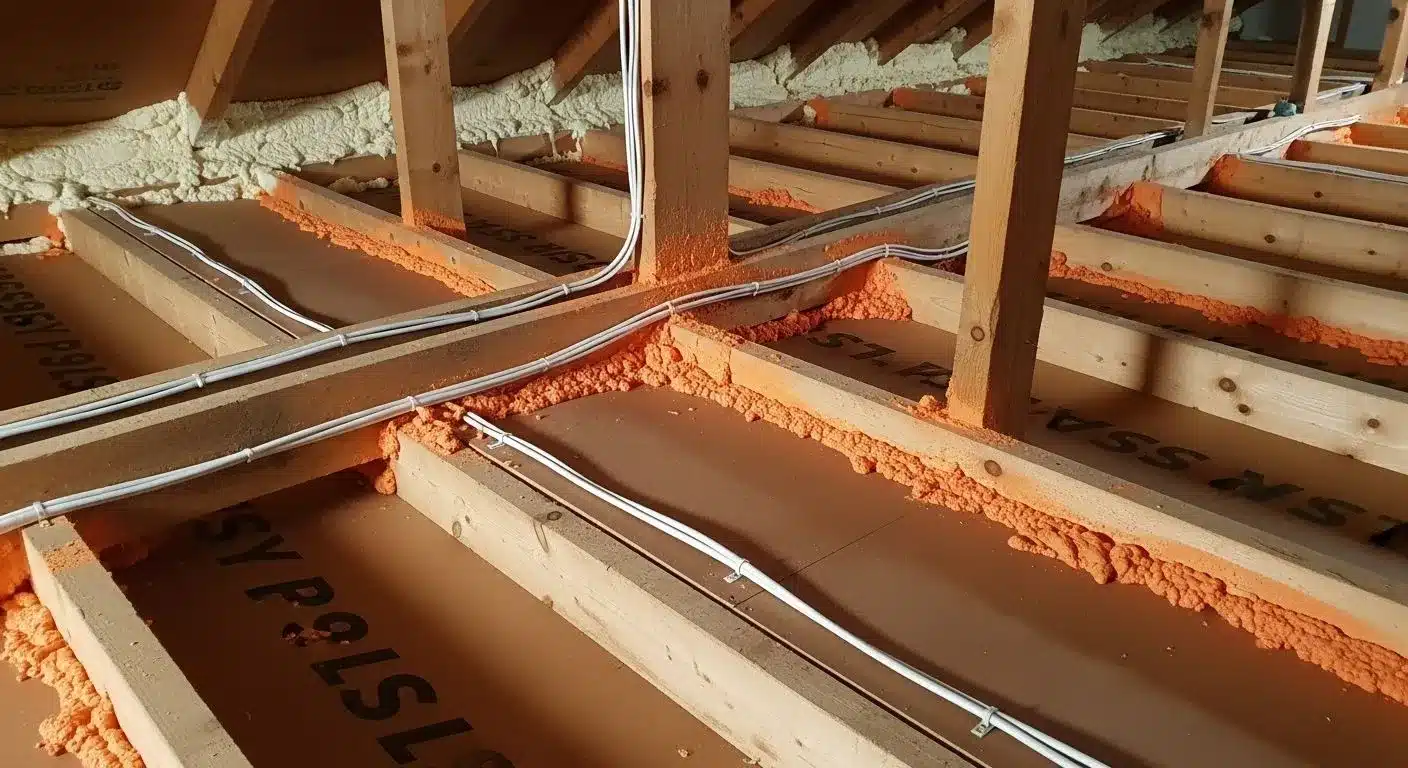
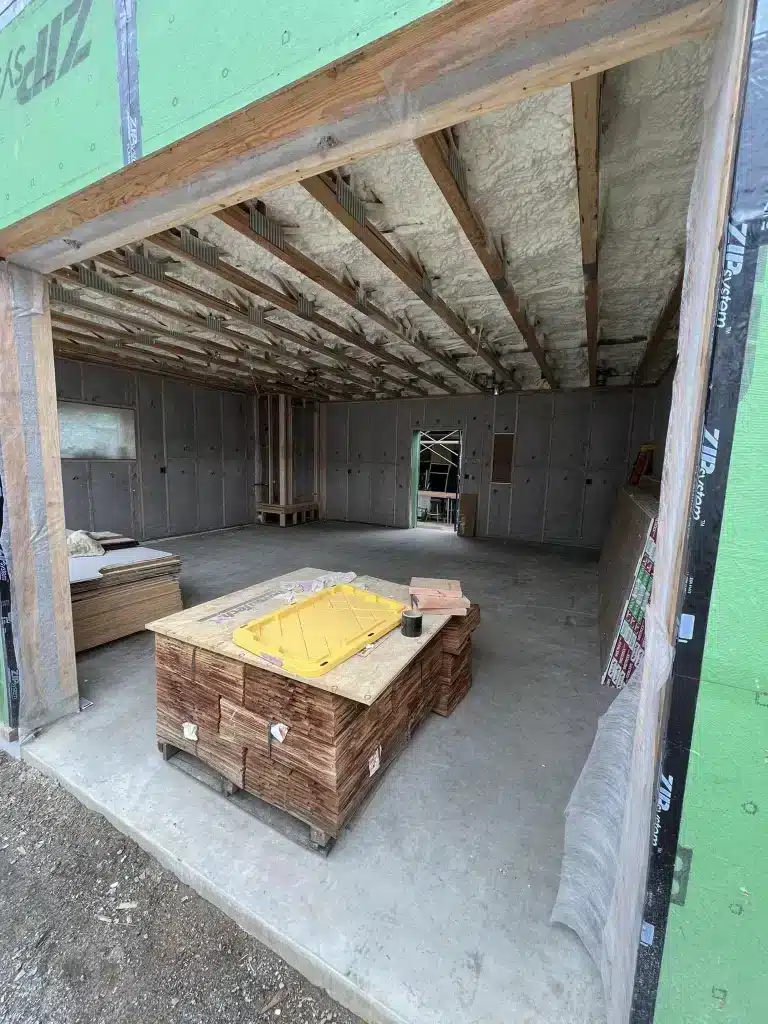
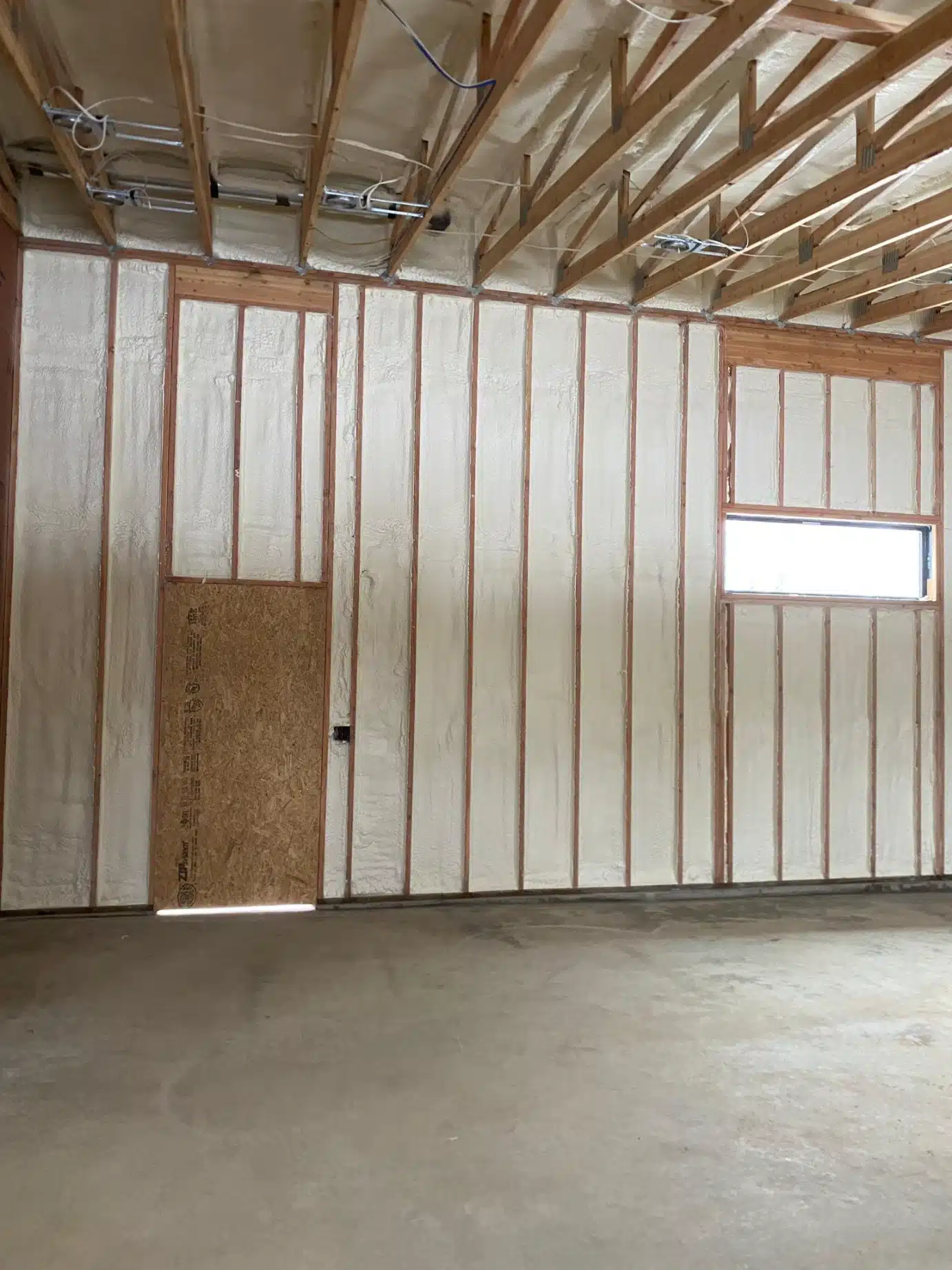
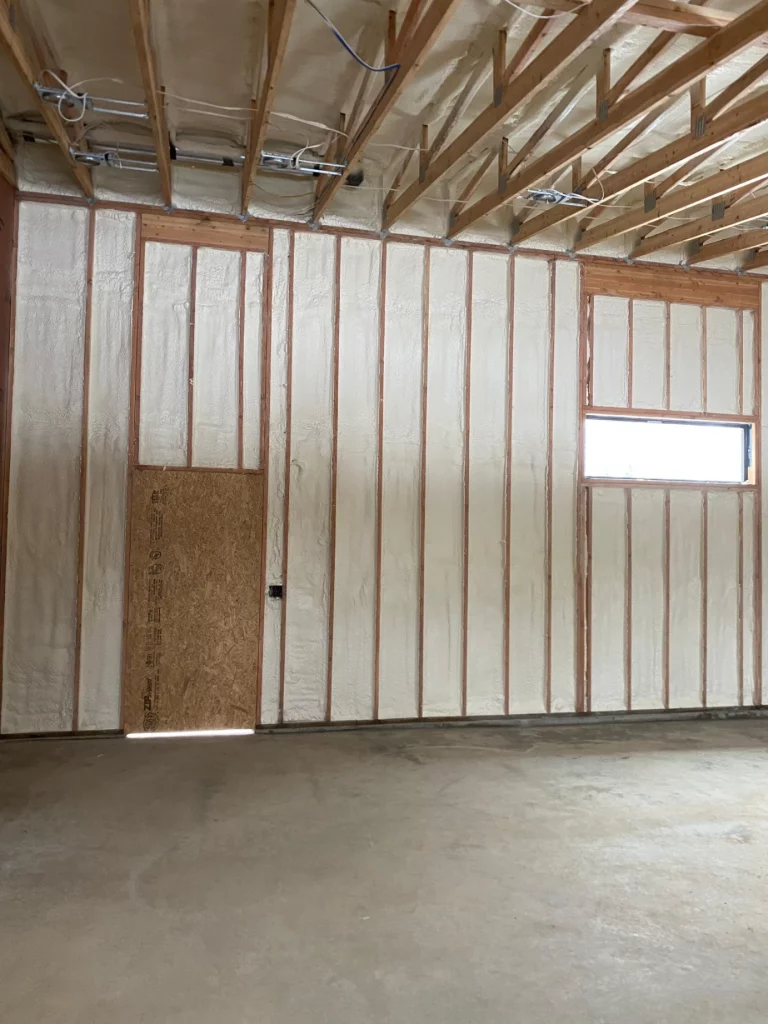
Spray foam insulation reduces persistent drafts because it works as an insulation and an air barrier in a single application.…


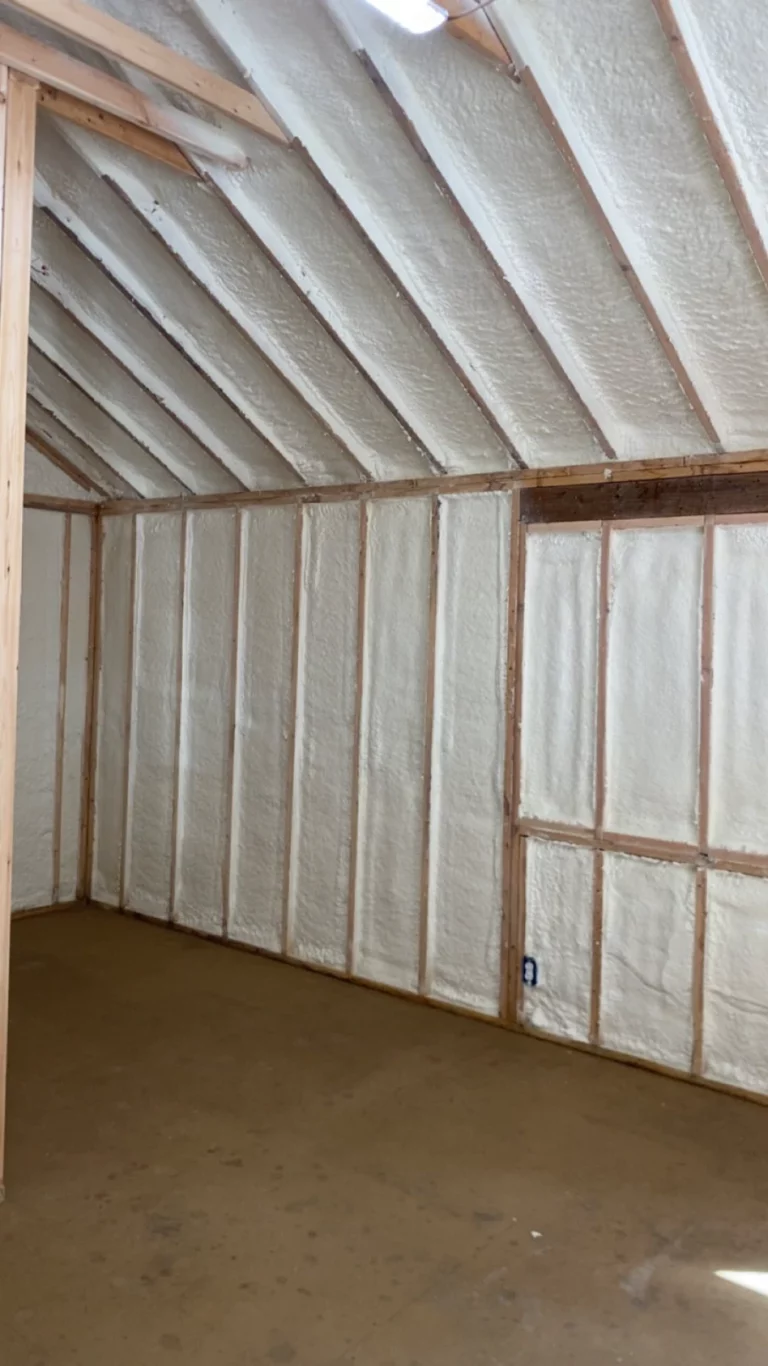
Before investing in closed-cell spray foam insulation for your Post Falls home, you should be asking about R-value requirements for Idaho’s Climate Zone 5, proper installation thickness, vapor barrier performance, contractor certifications, safety and curing protocols, and total project cost. Kootenai County falls under IECC Climate Zone 5B, which means your home faces cold winters that demand higher insulation values than many other parts of the country. Closed-cell spray foam delivers an impressive R-6 to R-7 per inch, acts as both an air and vapor barrier, and adds structural rigidity to walls. But the right choice depends on where you are insulating (walls, attic, crawlspace, or basement), your home’s existing conditions, and whether moisture or mold issues are present. Our team at Selkirk Energy Solutions works with Post Falls homeowners across new construction and retrofit projects, and we have seen firsthand how asking the right questions before you buy prevents expensive mistakes.
Post Falls experiences cold, snowy winters and warm, dry summers. Homes here lose significant heat through poorly insulated walls, crawlspaces, and rim joists. Closed-cell spray foam is particularly effective in this climate because it does three things at once: it insulates, it air seals, and it blocks moisture vapor transmission. When temperatures drop well below freezing, that combination prevents the warm interior air from leaking into wall cavities and condensing on cold surfaces, which is a leading cause of mold and rot in northern Idaho homes, as explained in closed-cell spray foam moisture protection.
According to the DOE Insulation Fact Sheet, 40% of a home’s energy is lost through air infiltration. Closed-cell spray foam directly addresses this by expanding into cracks, gaps, and joints to create a continuous thermal envelope.
Idaho follows the International Energy Conservation Code, and Post Falls (Kootenai County) is classified as Climate Zone 5B. Per the IECC compliance guide for Idaho, the minimum prescriptive requirements are:
| Building Component | Required R-Value (Zone 5) |
|---|---|
| Ceiling / Attic | R-49 |
| Wood Frame Wall | R-20 or R-13 + R-5 continuous |
| Floor (over unconditioned space) | R-30 |
| Basement Wall | R-15/19 |
| Crawlspace Wall | R-15/19 |
| Slab on Grade | R-10, 2 ft depth |
Since closed-cell foam delivers approximately R-6.5 per inch, you can achieve R-20 in a standard 2×6 wall cavity with roughly 3 inches of material, or R-19 in a crawlspace wall with about 3 inches of application. Ask your installer to calculate the exact thickness needed for each area of your home.
Not every part of your home needs closed-cell foam. Here is a comparison to help you decide:
| Factor | Closed-Cell Spray Foam | Open-Cell Spray Foam |
|---|---|---|
| R-Value per inch | R-6 to R-7 | R-3.5 to R-3.8 |
| Moisture barrier | Yes (at sufficient thickness) | No |
| Air barrier | Yes | Yes (at 5.5+ inches) |
| Best for | Crawlspaces, basements, rim joists, exterior walls | Interior walls, soundproofing, attic floors |
| Cost per sq ft (our pricing) | $1.90 to $2.80 | $0.45 to $0.75 |
| Structural reinforcement | Yes | No |
Closed-cell foam is the clear choice for below-grade applications like crawlspace walls and basement foundations, where moisture resistance is essential. The Building America Solution Center specifically recommends closed-cell spray foam for insulating foundation walls because it provides both thermal resistance and vapor control in one application.
Spray foam installation involves reactive chemicals. The EPA explains that SPF products contain isocyanates in the “Side A” component, which can cause respiratory irritation and sensitization with overexposure. A professional installer should:
Ask your installer directly about their safety procedures and reentry timeline.
Our closed-cell spray foam pricing ranges from $1.90 to $2.80 per square foot. The final cost of your project depends on several variables that you should discuss upfront:
You can keep your project cost closer to the $1.90 per square foot mark by clearing the work area, ensuring easy access, and addressing any visible moisture problems before we arrive.
A reputable installer should provide:
The IECC actually requires that SPF installers provide a certification listing the installed thickness and R-value of the foam for each building component. This is not optional; it is a code requirement in Idaho.
Spray foam is a combustible material, and building codes require that it be covered with a thermal barrier (such as 1/2-inch drywall) or an approved ignition barrier in most occupied spaces. In crawlspaces and attics, specific code provisions may allow alternative coverings. Ask your installer which areas need barriers and how they plan to handle them.
| Project Type | Recommended Approach | Key Consideration |
|---|---|---|
| New construction walls | Closed-cell, 2-3 inches | Meets code in a single application |
| Crawlspace encapsulation | Closed-cell on walls + vapor retarder on ground | Address bulk water issues first |
| Attic retrofit | Closed-cell on the roof deck OR open-cell on the attic floor | Closed-cell creates a conditioned attic |
| Basement walls | Closed-cell, minimum 2-3 inches | Verify no active water intrusion |
| Rim joist/band joist | Closed-cell, fill cavity completely | High impact on comfort for a small area |
Not all spray foam contractors deliver the same quality. Here are indicators that you are working with the right team:
Choosing the right insulation for your Post Falls home is a long-term investment in comfort, energy savings, and structural protection. Our team at Selkirk Energy Solutions specializes in closed-cell spray foam insulation for homes throughout the 83854 and 83864 zip codes and surrounding areas. We handle new construction, retrofit projects, crawlspaces, attics, and basement walls. Call us at (208) 295-9780 or email [email protected] to get started.
Request a Quote | Schedule a Home Assessment
Your home deserves insulation installed the first time correctly. Let our team make sure it happens.
Closed-cell spray foam typically cures within 24 hours. Homeowners and pets should remain off-site during application and for the recommended reentry period provided by the installer, usually a few hours after spraying is complete.
Yes, closed-cell foam can be applied in cold weather, but the substrate temperature and chemical temperatures must be within the manufacturer’s specified range. Our team uses heated hoses and equipment to maintain proper application conditions year-round.
Yes. Closed-cell foam hardens into a rigid material that bonds to framing and sheathing, which increases wall racking strength and overall structural integrity.
Closed-cell foam is inert once cured and does not react with wiring or plumbing. However, all electrical work should be complete and inspected before foam is applied, and junction boxes should be flagged so they remain accessible.
Look for standing water, musty odors, efflorescence (white mineral deposits) on walls, rusted metal fasteners, or visible mold. Our team inspects for these conditions as part of every assessment and will recommend remediation if needed before installing insulation.