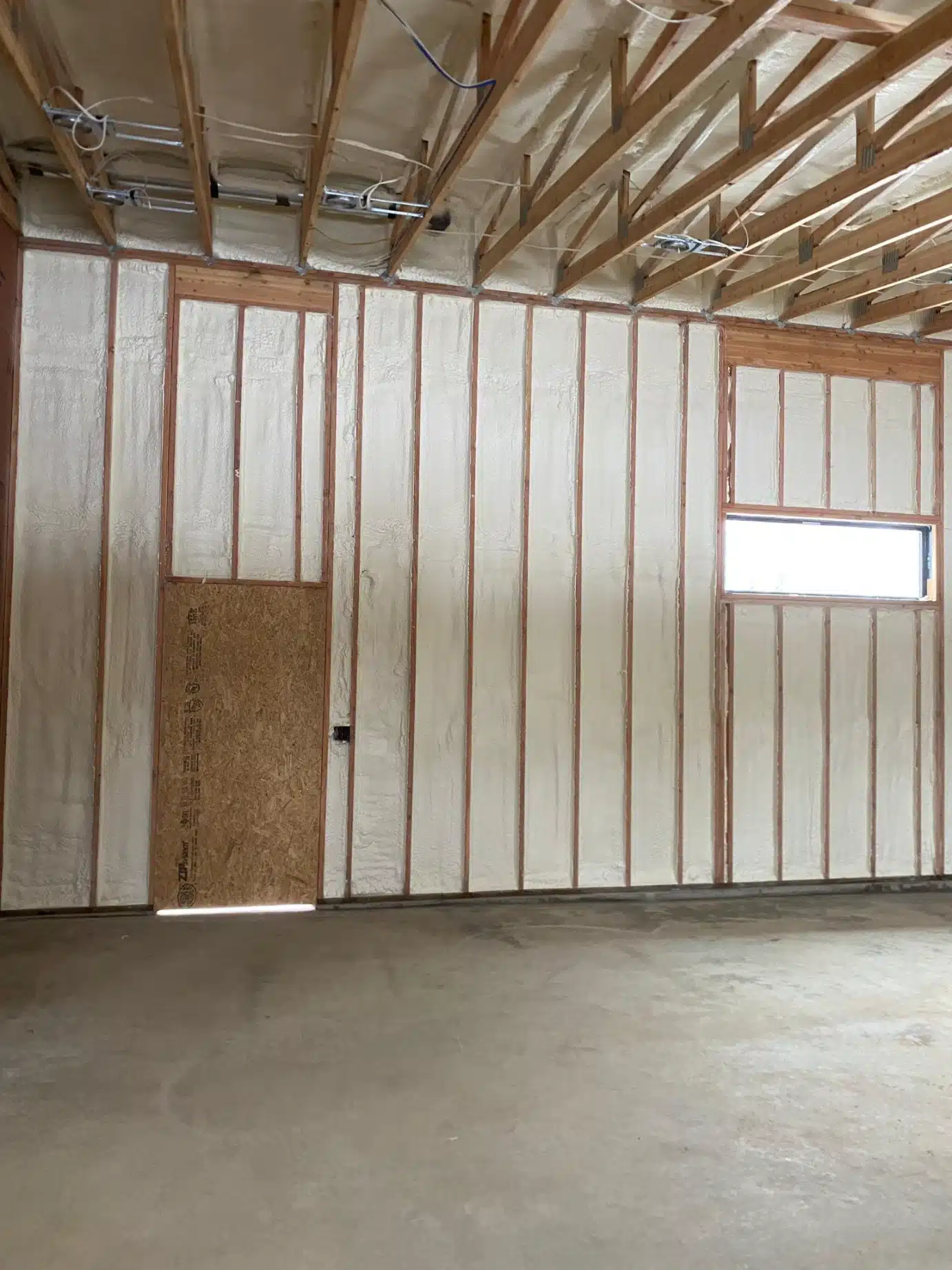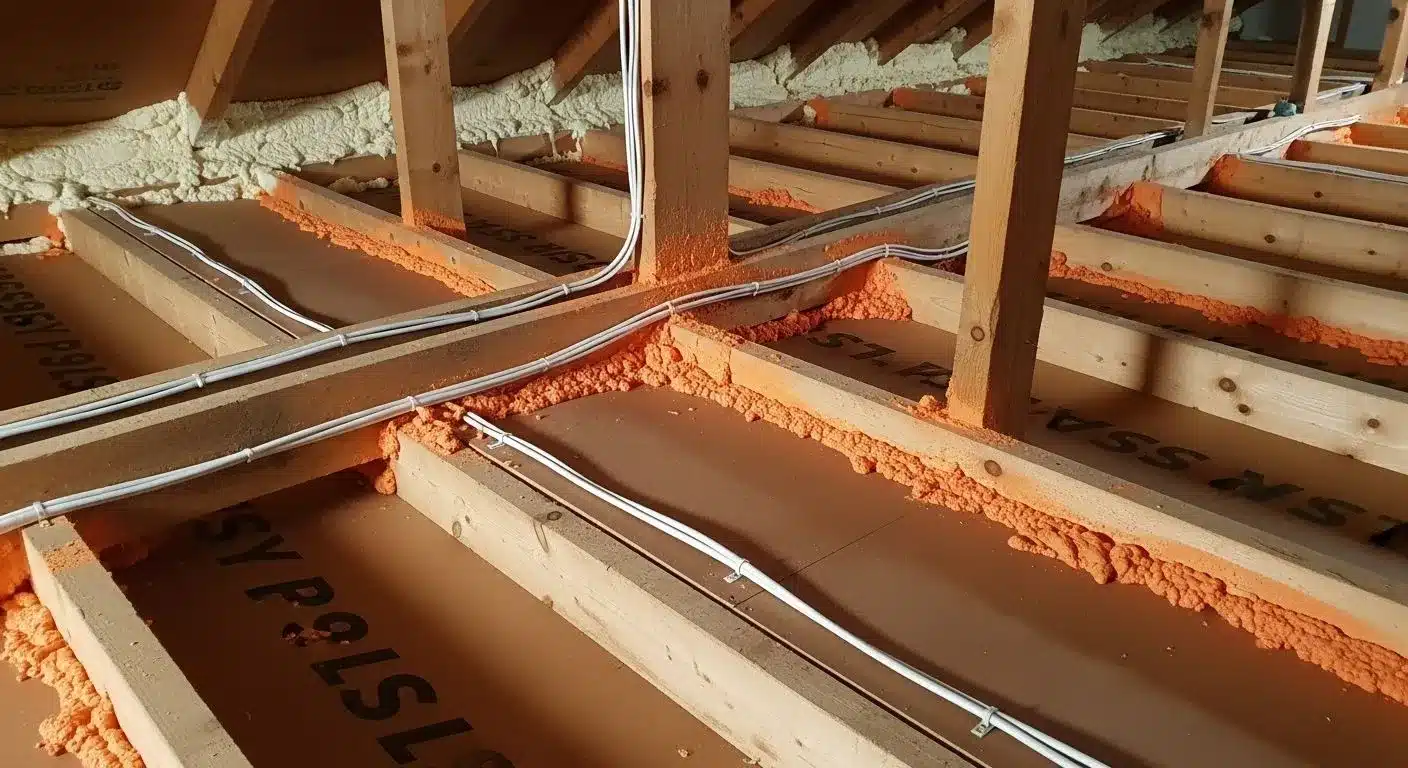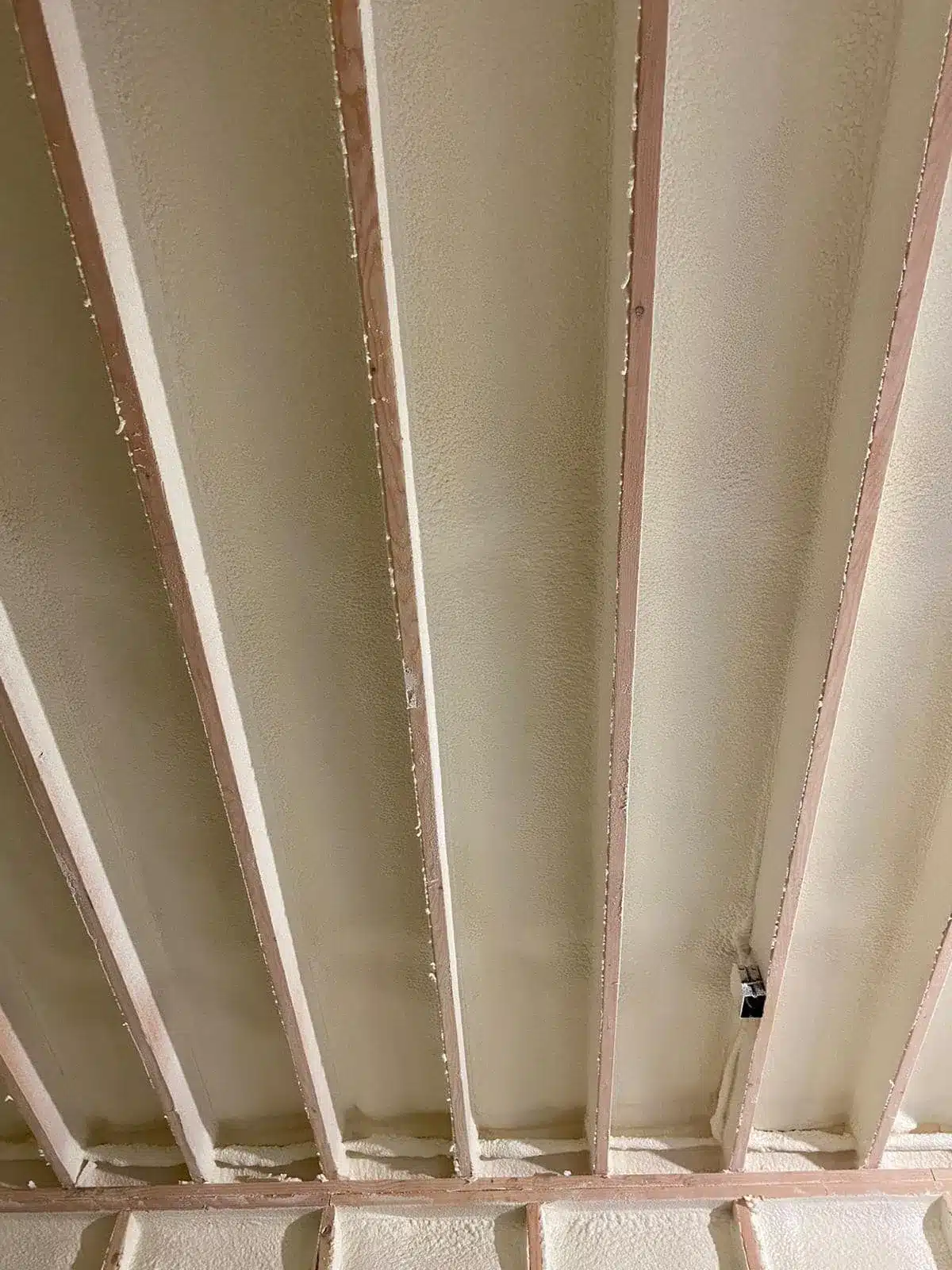
Closed-Cell Spray Foam Solutions for Difficult Spaces in Moyie Springs, ID
Closed-cell spray foam is often the most effective way to insulate difficult, hard-to-reach areas in Moyie Springs homes. Because it…


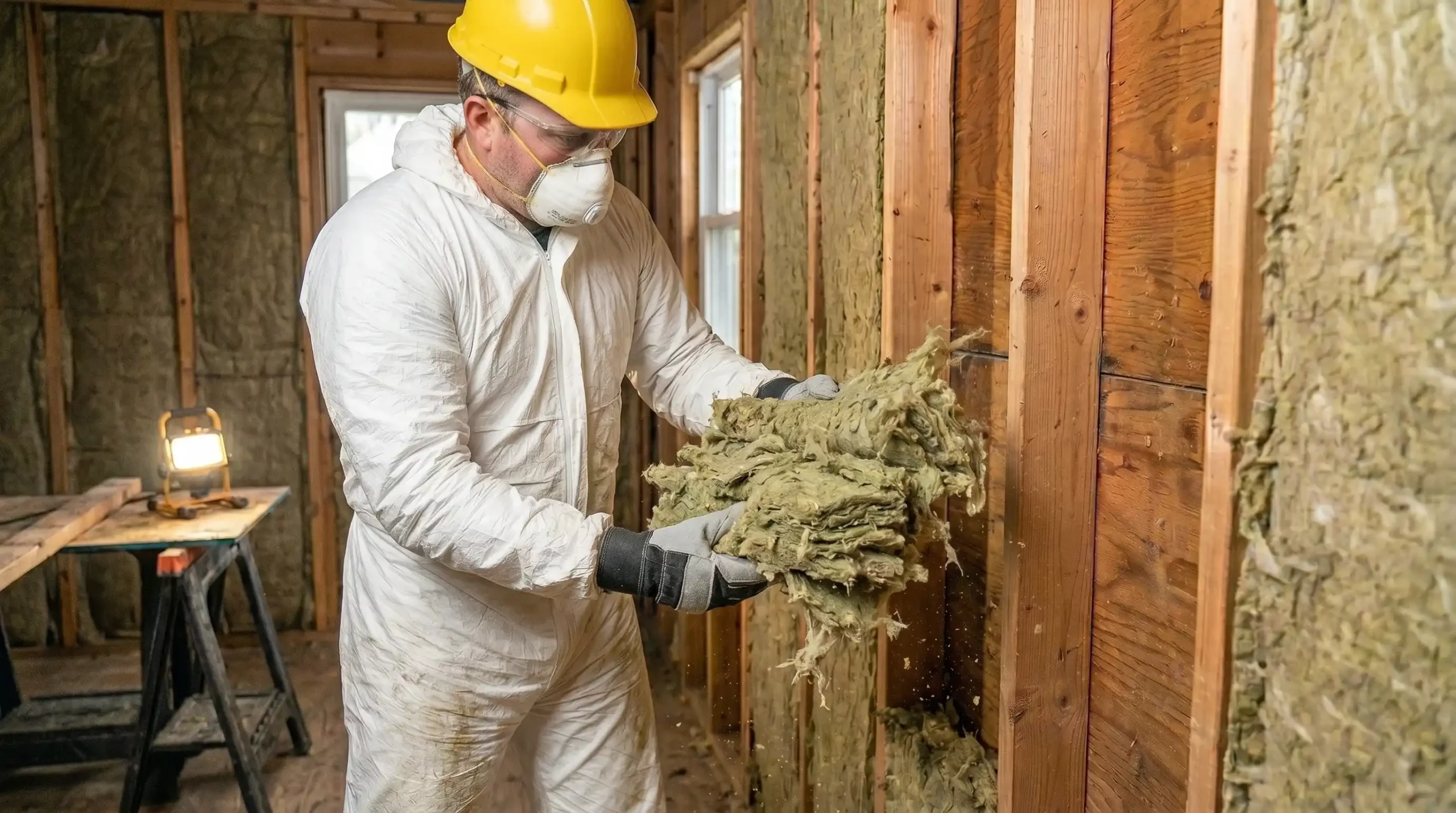
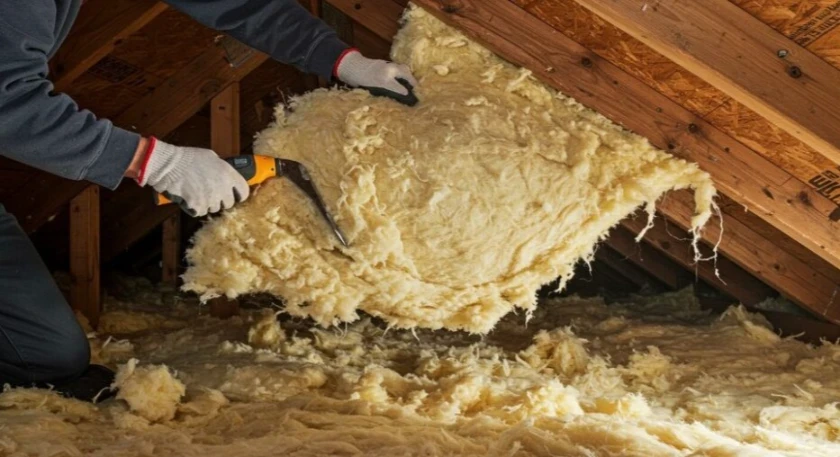
Insulation removal is one of the most practical investments a property owner in Kalispell, MT can make, and it pays off in three ways: lower energy bills, better indoor air quality, and increased property value. Kalispell sits in Climate Zone 6, where the U.S. Department of Energy recommends R-60 for uninsulated attics and robust insulation values across walls, floors, and crawlspaces. When old insulation is contaminated, compressed, or degraded, it cannot meet those standards. Removing it and starting fresh with high-performance materials like spray foam or properly rated batt insulation allows your home’s thermal envelope to perform the way it was designed to. For homeowners across the Flathead Valley, this is not just a comfort upgrade. It is a long-term financial decision with measurable returns.
Kalispell experiences long, freezing winters with average low temperatures around 17°F and occasional dips below zero. The region is firmly in Climate Zone 6, which the U.S. Department of Energy classifies as heating-dominated. In this zone, the DOE recommends R-60 for uninsulated attics, R-49 where some insulation already exists, and R-30 for uninsulated floors.
Homes built before the mid-1970s often have inadequate insulation or none at all in certain areas. Even newer homes can develop problems as insulation settles, compresses, or gets damaged by moisture and pests. When insulation loses its rated R-value, your heating system works harder and your energy bills climb.
This is especially relevant for Kalispell homeowners. A mine near Libby, Montana, roughly 100 miles southeast of Kalispell, produced over 70 percent of all vermiculite sold in the United States from 1919 to 1990. According to the U.S. Environmental Protection Agency, vermiculite was contaminated with asbestos. The EPA advises that any vermiculite insulation found in homes should be assumed to contain asbestos and treated accordingly.
If your Kalispell home was built or insulated before 1990, there is a real possibility that vermiculite insulation is present in your attic or walls. Professional removal by trained experts is the only safe path forward.
Not every home needs full insulation removal. Here are the situations where it is clearly the right call:
| Situation | What to Look For | Why Removal Matters |
|---|---|---|
| Vermiculite present | Gray-brown or silver-gold pebble-like material in the attic | Possible asbestos contamination per EPA guidance |
| Pest infestation | Droppings, nesting materials, chewed insulation | Biohazard risk from bacteria, viruses, and parasites |
| Water or mold damage | Stained, compressed, or musty-smelling insulation | Mold spores degrade air quality and reduce R-value |
| Settled or compressed | Insulation is visibly thin, with gaps in coverage | Loss of rated R-value means higher energy costs |
| Renovation or remodel | Walls, ceilings, or floors being opened up | Opportunity to upgrade to higher-performance materials |
Old insulation contaminated by rodent droppings can carry hantavirus, salmonella, and other pathogens. Mold-contaminated insulation releases spores into your living space. And as the EPA makes clear, asbestos-contaminated vermiculite should never be disturbed by anyone other than a trained professional. Attempting DIY removal in any of these scenarios puts your household at risk.
Our team at Selkirk Energy Solutions follows strict safety protocols for every removal job. We contain the work area, use proper protective equipment, and ensure that contaminated materials are disposed of correctly.
Based on our project data, insulation removal and replacement typically range from $2.50 to $4.50 per square foot. The final cost depends on several variables:
Once old insulation is out, you have choices for what goes back in:
| Material | Price Per Sq Ft (Low-Avg-High) | Best Application | Key Advantage |
|---|---|---|---|
| Open Cell Spray Foam | $0.45 / $0.60 / $0.75 | Walls, attics | Expands to fill gaps, good air sealing |
| Closed Cell Spray Foam | $1.90 / $2.45 / $2.80 | Crawlspaces, exterior walls | Higher R-value per inch, moisture barrier |
| Air Sealing | $0.50 / $1.00 / $2.00 | All areas before insulation | Cuts air leakage at the source |
| Insulation Removal & Replacement | $2.50 / $3.50 / $4.50 | Full removal and installation | Complete upgrade from contaminated or failed material |
The combination that makes sense for your Kalispell home depends on which areas need work, your budget, and your performance goals. Our team evaluates each property individually and provides straightforward recommendations.
The IRS Energy Efficient Home Improvement Credit allows homeowners to claim up to $1,200 per year for insulation materials and air sealing systems that meet International Energy Conservation Code standards. This credit covers 30% of qualified expenses, which directly reduces what you actually pay out of pocket.
The Department of Energy outlines how these credits apply specifically to building envelope improvements, including insulation and air sealing. If you are planning a removal and replacement project, these incentives make the investment even more attractive.
Homes built before modern energy codes often have minimal or degraded insulation. If your Kalispell home falls in this category, full insulation removal combined with closed-cell spray foam in crawlspaces and open-cell spray foam in wall cavities delivers the biggest performance improvement. Pair this with air sealing for maximum benefit. For a detailed breakdown of costs, see our guide on insulation removal budgeting and cost guide.
If you have had water intrusion, pest problems, or visible mold in your attic or crawlspace, removal is not optional. Contaminated insulation cannot perform properly and poses health risks. Our recommendation is to remove all affected material, address the source of the moisture or pest entry, air seal the space, and install fresh insulation rated for the application.
If you are already opening walls or ceilings for a renovation, this is the most cost-effective time to remove old insulation and upgrade. Access is already available, which keeps labor costs down and means you get the full benefit of modern insulation materials without a separate mobilization.
If you recently purchased a home in Kalispell and do not know the history of its insulation, scheduling an inspection is a smart first step. ENERGY STAR provides R-value guidelines by climate zone that you can use to evaluate whether your home’s insulation meets current recommendations for Zone 6.
A quality insulation removal project shares a few clear characteristics. You should expect:
Selkirk Energy Solutions specializes in insulation removal, spray foam installation, and air sealing for homes and commercial buildings across northwest Montana. Our team understands Kalispell’s climate demands and the specific challenges older homes in the Flathead Valley face, from vermiculite concerns to moisture-damaged crawlspaces. We evaluate every property on its own terms and deliver honest recommendations backed by real project experience.
Request a Quote | Schedule an Inspection
Reach our team at (208) 295-9780 or email [email protected] to get started. The sooner old, damaged, or contaminated insulation is removed, the sooner your home performs the way it should.
Look for signs like high energy bills, uneven temperatures between rooms, visible pest droppings or nesting in the attic, water stains on existing insulation, or a musty smell in your crawlspace. If your home was built before 1990, check for vermiculite insulation, which appears as gray-brown or silver-gold pebbles.
Yes. The EPA confirms that vermiculite from the Libby mine, located roughly 100 miles from Kalispell, supplied over 70% of U.S. vermiculite insulation from 1919 to 1990 and was contaminated with asbestos. Any vermiculite found in area homes should be assumed hazardous and removed by trained professionals.
Most residential removal jobs are completed in one to three days, depending on the size of the space, the type of insulation being removed, and whether contamination is present. Our team provides a clear timeline during the initial assessment so there are no surprises.
In most cases, yes. Our crew contains the work area and uses protective equipment to minimize dust and debris. If asbestos abatement is required, temporary relocation may be recommended during the removal process for safety.
It depends on the space. Closed-cell spray foam works best in crawlspaces and areas prone to moisture, while open-cell spray foam is effective for walls and attic applications. We also recommend air sealing before any new insulation goes in to maximize energy performance.