How Can Spray Foam Insulation Help Reduce Persistent Drafts in Garwood, ID Homes?
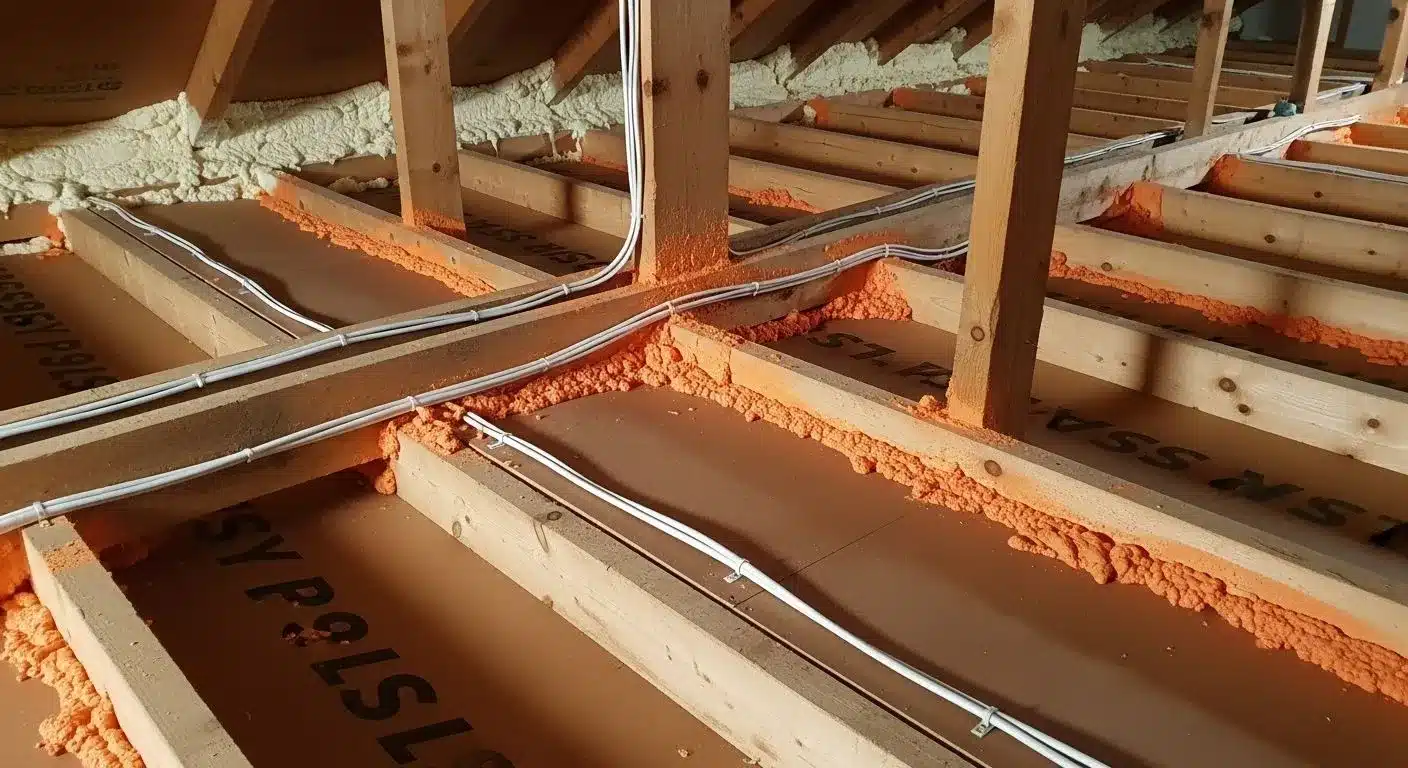
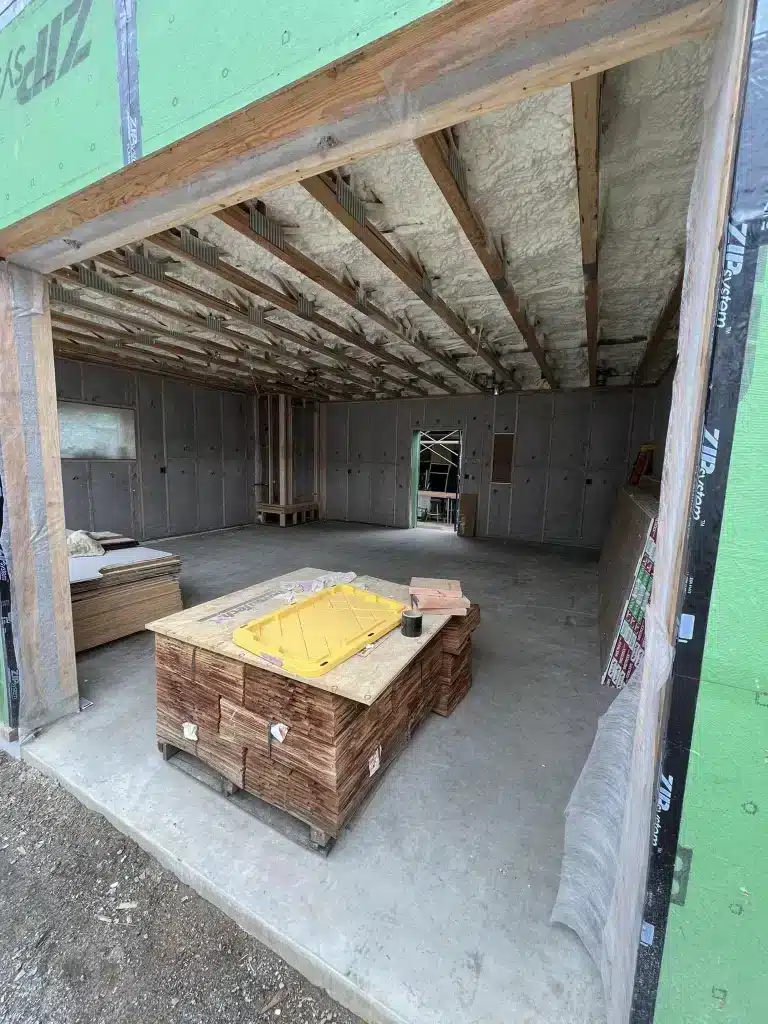
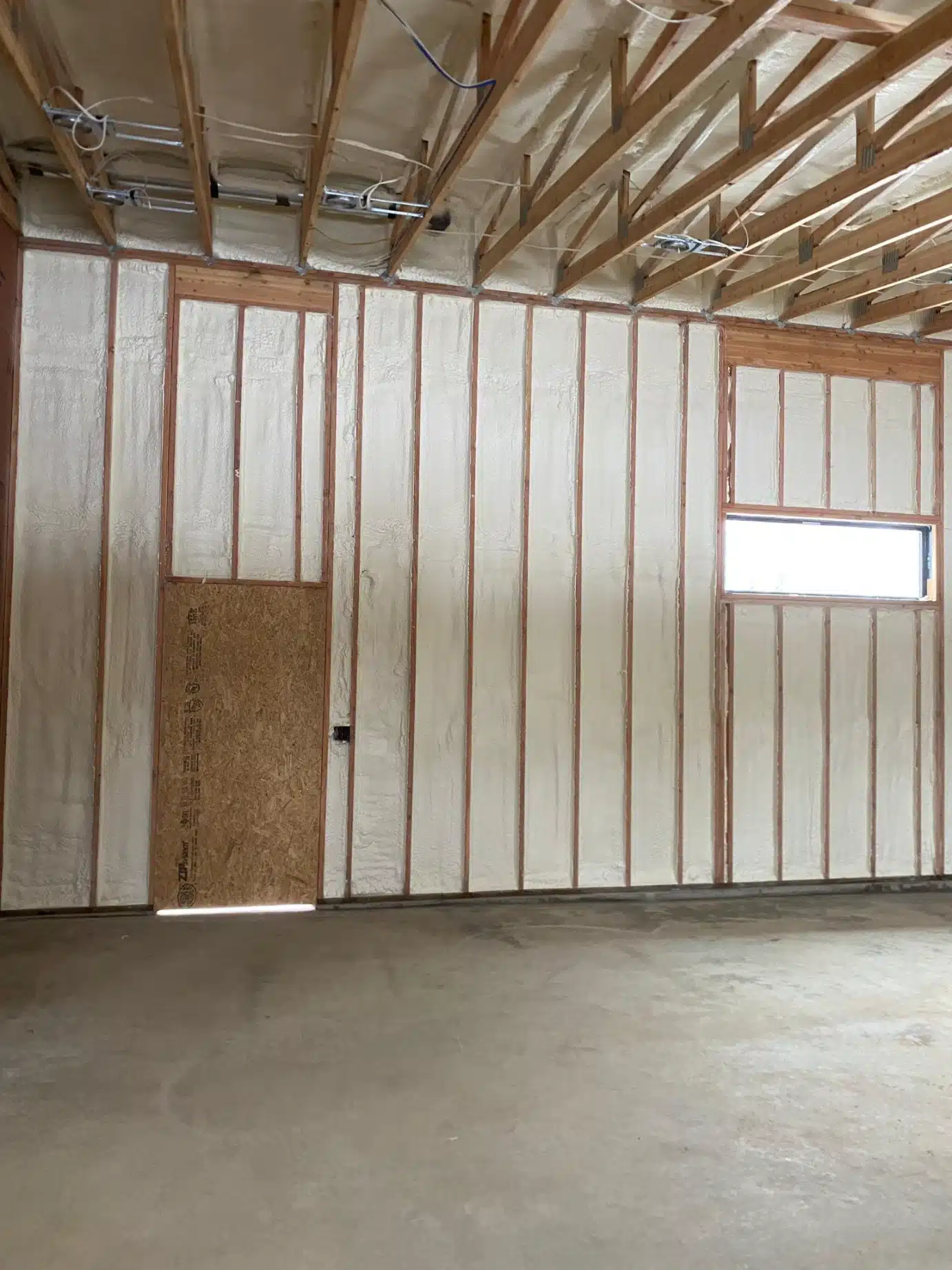
Spray foam insulation reduces persistent drafts because it works as an insulation and an air barrier in a single application.…


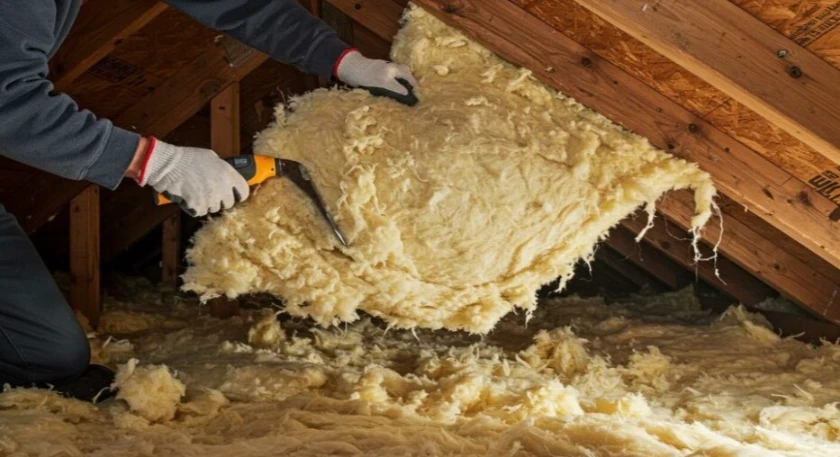
Budgeting for insulation removal in Bonners Ferry, ID requires understanding that costs typically range from $2.50 to $4.50 per square foot, with most homeowners spending between $3,750 and $6,750 for a complete attic insulation removal project. The final price depends heavily on insulation type, attic size, contamination level, and labor rates in the northern Idaho region. For a standard 1,500-square-foot attic, expect to budget $3,750 to $6,750 for professional removal, including disposal. Choosing to replace insulation immediately after removal adds another $1.50 to $4.00 per square foot for new installation, making the total project cost $6,000 to $12,750 for removal and replacement combined.
The northern Idaho market presents unique pricing dynamics for insulation removal services. Our local economy means labor rates in Boundary County run moderately below metropolitan averages, but the rural nature of Bonners Ferry can affect contractor availability and travel fees. When requesting estimates from insulation professionals, ask specifically about any additional charges for debris disposal, equipment transport, or hazardous material handling.
The single largest factor affecting your removal cost is the type of insulation currently in your attic. Blown-in fiberglass and cellulose are the most common in older Bonners Ferry homes and represent the most affordable removal options. Spray foam insulation, while superior for energy efficiency, adheres directly to surfaces and requires specialized equipment to remove, often doubling or tripling the per-square-foot cost.
| Insulation Type | Removal Cost Per Sq Ft | Average Total (1,500 sq ft) | Removal Difficulty |
|---|---|---|---|
| Blown-in Fiberglass | $2.50 – $3.25 | $3,750 – $4,875 | Low to Moderate |
| Blown-in Cellulose | $2.75 – $3.50 | $4,125 – $5,250 | Moderate |
| Batten Fiberglass | $3.00 – $3.75 | $4,500 – $5,625 | Moderate |
| Spray Foam | $3.75 – $4.50 | $5,625 – $6,750 | High |
| Contaminated/Mold-Affected | $3.50 – $4.50 | $5,250 – $6,750 | High |
Blown-in fiberglass remains the most common insulation type in single-family homes throughout the Bonners Ferry area, particularly in homes built before 2000. This material compresses relatively easily and can be vacuumed efficiently with standard equipment. Cellulose, often treated with fire retardants, requires slightly more care during removal but remains straightforward for experienced contractors, especially when handled by an experienced spray foam insulation team in Bonners Ferry.
Spray foam presents a distinctly different challenge. This material bonds tightly to roof sheathing and wall cavities, requiring mechanical scraping and specialized containment. Many homeowners who chose spray foam for its superior R-value face substantially higher removal costs if renovation or remediation becomes necessary.
| Project Type | Location | Attic Size | Insulation Type | Estimated Cost |
|---|---|---|---|---|
| 1970s Ranch Home | Bonners Ferry | 1,200 sq ft | Blown-in Fiberglass (R-19) | $3,000 – $3,900 |
| 1990s Two-Story | Sandpoint Area | 1,800 sq ft | Batten Fiberglass (R-30) | $5,400 – $6,750 |
| Water-Damaged Home | Bonners Ferry | 1,400 sq ft | Contaminated Cellulose | $4,900 – $6,300 |
| New Construction Prep | Boundary County | 2,200 sq ft | Spray Foam Removal | $8,250 – $9,900 |
| Energy Upgrade Project | Bonners Ferry | 1,600 sq ft | Blown-in to Spray Foam Transition | $6,400 – $8,400 |
These estimates assume professional installation with proper disposal. The water-damaged property scenario illustrates how contamination significantly impacts costs, often requiring hazmat-style protocols and additional ventilation equipment. Our professionals assess each situation individually to provide accurate estimates before any work begins.
Attic Size and Layout: Larger attics benefit from economies of scale but may include hard-to-reach corners, multiple levels, or knee walls that require additional time. Vaulted ceilings or limited access points (smaller attic hatches) increase labor hours.
Insulation Depth and Density: Older insulation settles over time, reducing its R-value and sometimes creating dense mats that are harder to vacuum. Deep insulation in attics with limited headroom creates challenging working conditions that affect hourly rates.
Contamination Level: Mold, rodent droppings, or water damage require containment protocols, protective equipment, and sometimes specialized remediation before standard removal can proceed. Our team conducts thorough assessments to identify contamination before providing final quotes.
Accessibility Challenges: Single-story homes with pull-down attic stairs are easier to access than two-story homes requiring ladder work or exterior access points. Narrow roads or limited parking near your Bonners Ferry property may affect equipment positioning.
Regional Labor Economics: While Idaho construction costs run approximately 7% below the national average[U.S. Bureau of Labor Statistics – Insulation Worker Wages], rural Boundary County may have fewer insulation specialists available, which can affect competitive pricing[Idaho Department of Labor – Regional Wage Data]. Our team maintains transparent pricing without hidden travel or fuel surcharges.
Disposal Fees: Many municipalities in northern Idaho charge separate fees for construction debris disposal. Ask your contractor whether disposal costs are included in the quoted price or billed separately.
Homeowners frequently ask whether they should tackle insulation removal themselves to save money. The honest answer depends on your specific situation, budget constraints, and risk tolerance.
DIY insulation removal eliminates labor costs, saving approximately $750 to $2,000 on a typical attic project. Equipment rental for insulation vacuums runs $75 to $150 per day, with removal bags and disposal fees adding another $100 to $300. However, this approach carries significant risks.
When DIY Makes Sense: If your attic contains clean, undamaged blown-in fiberglass and you have experience with home improvement projects, renting professional-grade equipment and dedicating a weekend to the work may be appropriate. Wear proper respiratory protection, seal off living spaces below, and dispose of materials at designated facilities.
When Professional Removal Is Essential: Any sign of contamination, mold, rodent activity, or water damage requires professional handling. Spray foam removal should never be attempted by homeowners due to chemical exposure risks and the specialized equipment required. If you plan to replace insulation immediately after removal, professional crews complete the work faster and coordinate installation more efficiently.
The cost difference between DIY and professional removal rarely justifies the risks when contamination or complex materials are involved. Our professionals carry proper insurance, understand local disposal regulations, and complete the work safely within a single day in most cases.
Many homeowners discover unexpected costs during insulation removal because they planned based on online averages rather than their specific property’s condition. What appears to be simple blown-in fiberglass may reveal water staining requiring mold assessment once removal begins. Insulation that looked adequate during a visual inspection may contain decades of accumulated debris, pest evidence, or degrading materials.
Budgeting conservatively means adding a 15% to 20% contingency to your initial estimate, particularly for older homes in the Bonners Ferry area where original insulation may be decades old. This buffer accommodates surprises without derailing your project timeline or forcing compromises on new insulation quality.
The cost of inaction often exceeds removal expenses. Continuing to heat and cool a home with degraded insulation costs homeowners $200 to $600 annually in excess energy bills, according to the U.S. Department of Energy[U.S. Department of Energy – Home Insulation Materials]. Old insulation also affects indoor air quality and can contribute to ice dam formation during Bonners Ferry’s snowy winters.
Ideal Candidates for Professional Removal: Homeowners planning energy efficiency upgrades, those purchasing older properties requiring inspection, homeowners dealing with persistent temperature inconsistencies between rooms, anyone noticing increased utility bills without explanation, and property owners addressing water damage or storm-related insulation issues.
Situations Where Removal May Be Optional: Newer homes with adequate insulation simply seeking air sealing, properties where insulation is accessible but not degraded, and rental properties where tenants report no comfort issues.
Our team at Selkirk Energy Solutions provides detailed, itemized estimates for insulation removal projects throughout the Bonners Ferry area. We assess your specific property, identify potential complications, and deliver transparent pricing before any work begins. Contact our office to schedule a consultation and receive your personalized project budget.
Ready to move forward? Request a Quote: Reach out via email at [email protected] or call us directly at (208) 295-9780 to discuss your insulation removal project. Our team will answer your questions, explain our process, and provide a detailed estimate tailored to your home’s specific requirements.
A typical attic insulation removal for a 1,500-square-foot space takes four to eight hours for clean materials without contamination. Properties requiring mold remediation or containing multiple insulation types may require a full day or a two-day schedule.
Your home does not need to be empty, but we recommend staying off-site during active removal work due to dust and noise. All living spaces remain accessible after work concludes, though attic access will be restricted during the project.
Professional contractors transport removed insulation to licensed construction debris facilities in the Bonners Ferry area. Some materials may qualify for recycling programs, particularly clean fiberglass, though contamination typically requires standard landfill disposal.
Yes, though we recommend closing supply vents to the attic and using protective coverings on any items stored in the attic during the project. Our crews work efficiently to minimize dust spread to living spaces below.
Late fall through early winter often offers the most favorable scheduling and potentially better rates, as this falls between peak summer insulation season and winter storm preparation periods. However, removal can proceed year-round with proper precautions.