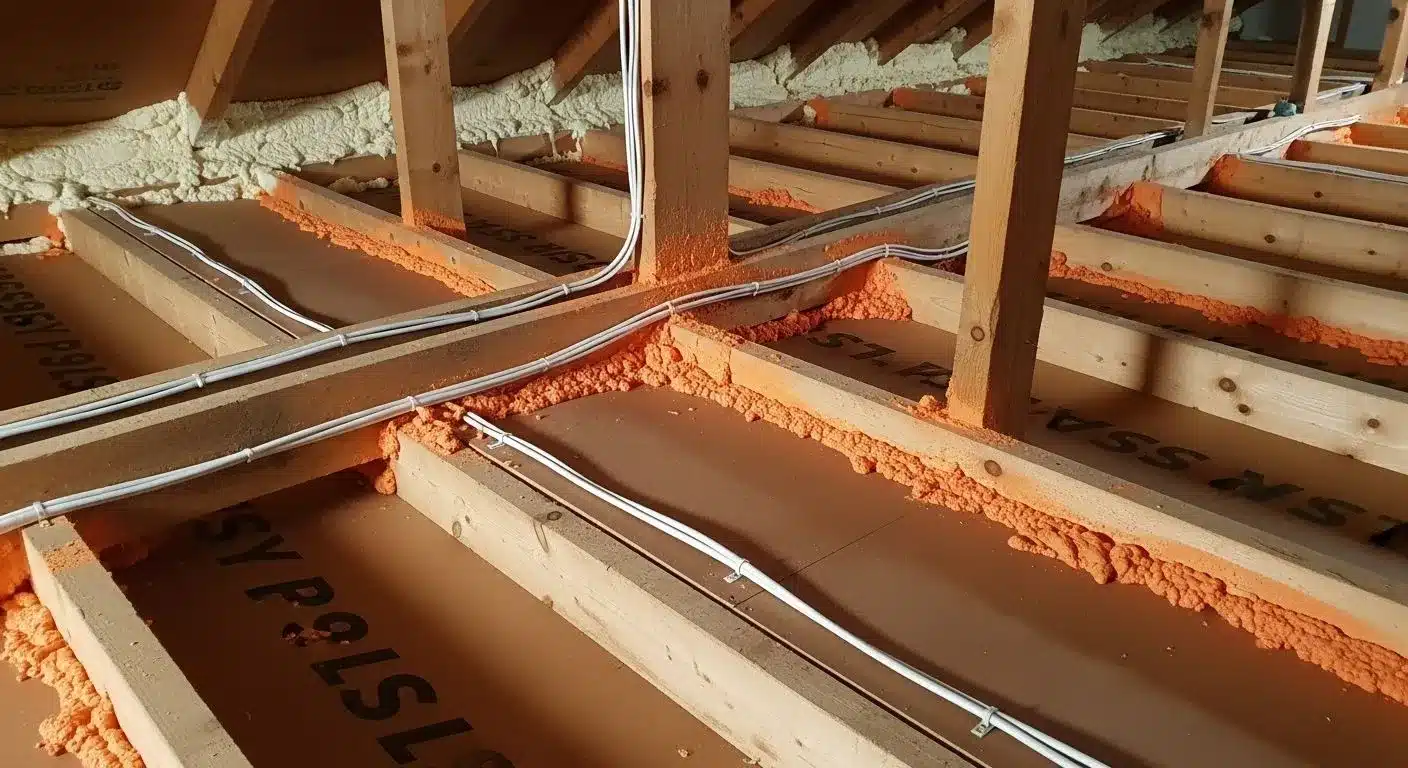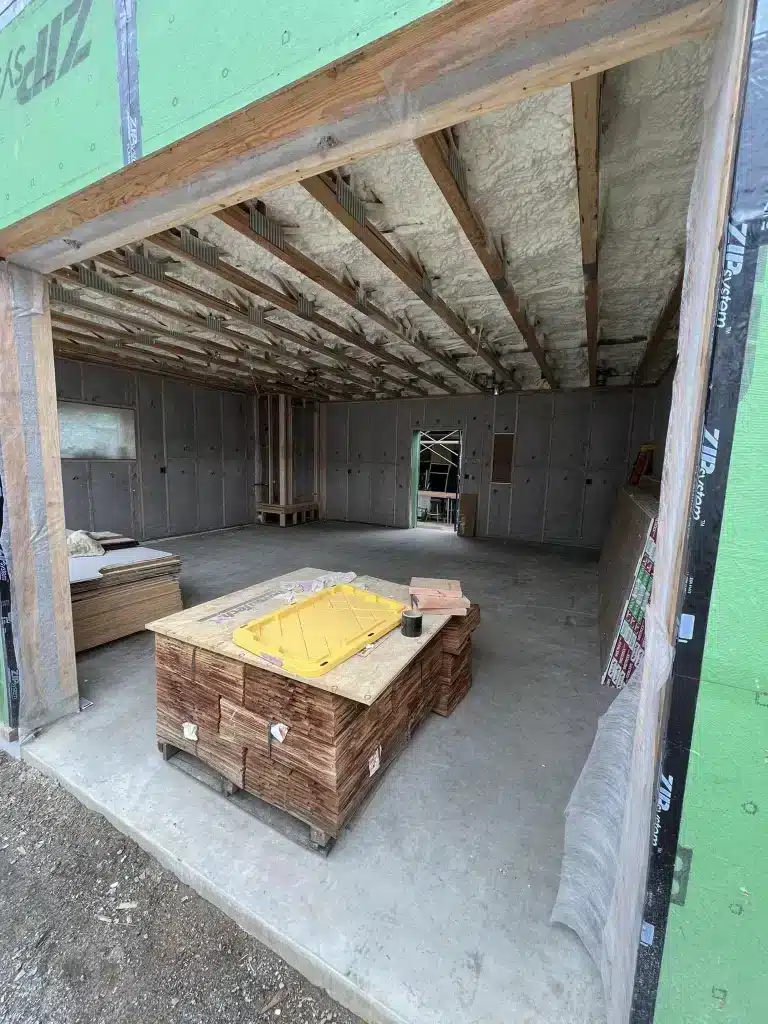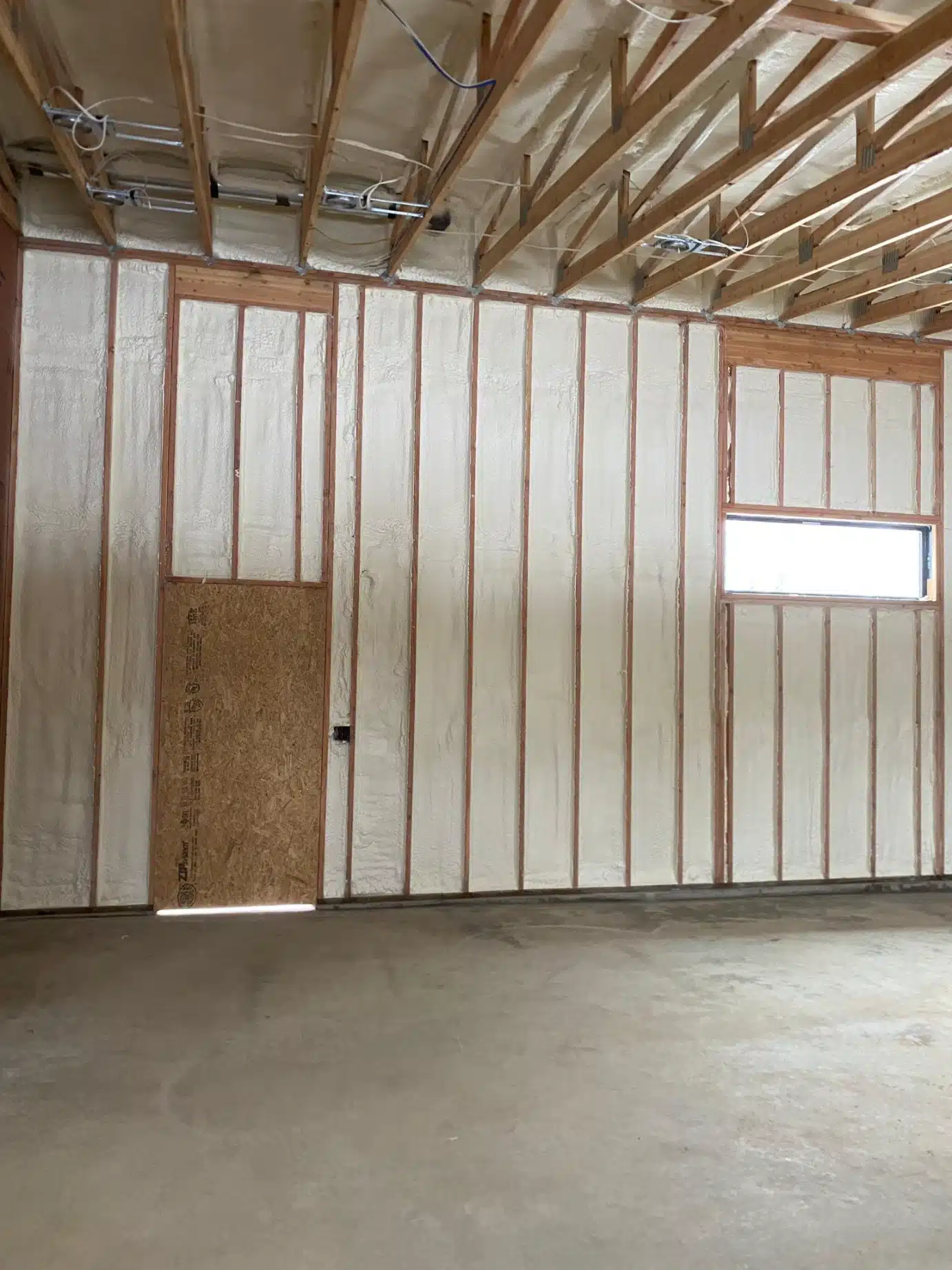
How Can Spray Foam Insulation Help Reduce Persistent Drafts in Garwood, ID Homes?
Spray foam insulation reduces persistent drafts because it works as an insulation and an air barrier in a single application.…


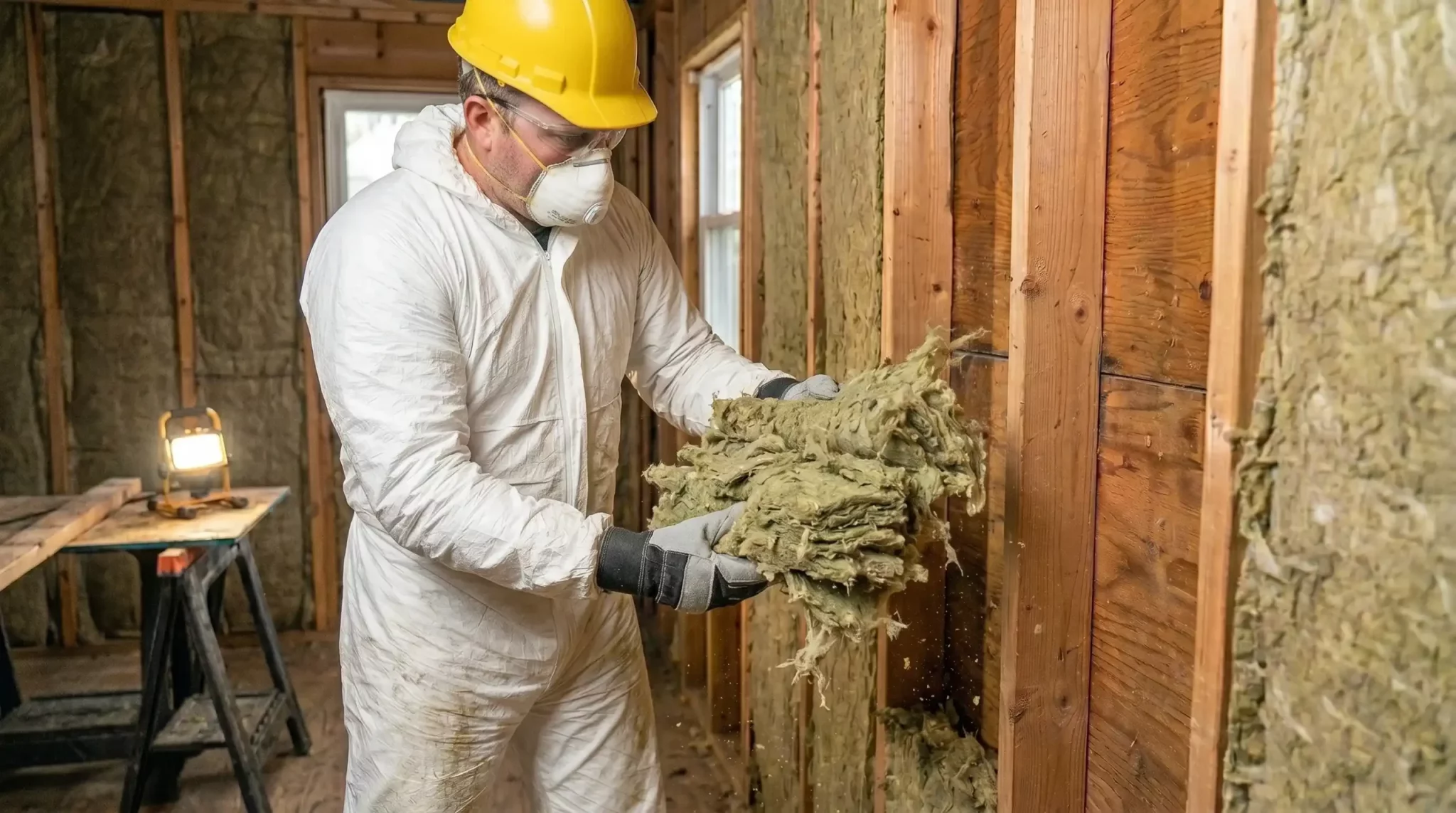
Professional insulation removal becomes necessary when existing insulation has been compromised by water damage, mold growth, pest contamination, hazardous materials like asbestos, or significant settling that reduces its thermal performance. The right approach depends on what type of insulation you have, the nature of the damage, and whether the underlying problem has been resolved. In some cases, such as vermiculite insulation that may contain asbestos, removal should only be handled by trained and accredited professionals to avoid serious health risks.
Some insulation situations pose direct health risks that make removal non-negotiable. The most serious of these involves vermiculite insulation, a pebble-like, pour-in product that was widely used in attics from 1919 through 1990. According to the EPA, more than 70 percent of all vermiculite sold in the United States during that period came from a mine near Libby, Montana that was contaminated with asbestos. The EPA recommends treating all vermiculite insulation as if it contains asbestos and stresses that homeowners should never attempt to remove it themselves. If removal is necessary, it must be performed by a trained and accredited asbestos abatement contractor.
Asbestos fibers cause cancer and other serious lung diseases, and there is no known safe level of exposure. The fibers must be airborne to pose a health risk, which means any disturbance of the material during renovations, inspections, or storage activities could release dangerous particles into your home. Green Building Advisor notes that it is dangerous to perform air sealing work, blower door tests, or any attic renovations until vermiculite has been fully removed by a certified professional.
Mold contamination represents another situation where removal is required rather than spot treatment. The EPA’s mold guide explains that absorbent or porous materials like insulation, ceiling tiles, and carpet may have to be thrown away if they become moldy. Mold can grow within and fill the empty spaces of porous materials, making complete removal impossible through surface cleaning alone. When mold covers more than 10 square feet, the EPA recommends hiring a professional with experience in mold remediation.
Water is the single most common reason insulation degrades beyond recovery. Whether the source is a roof leak, ice damming, plumbing failure, or condensation from poor ventilation, once insulation becomes saturated, it loses much of its thermal resistance. The EPA states that water-damaged areas and materials should be dried within 24 to 48 hours to prevent mold growth. If that window has passed, and insulation has been wet for an extended period, mold has likely colonized the material.
Fiberglass batts in crawlspaces are especially vulnerable. They frequently fall, become waterlogged, and grow mold when exposed to moisture from soil or plumbing leaks. Cellulose insulation, while more resistant to settling, can absorb and retain moisture in ways that promote fungal growth. In either case, the underlying water problem must be fixed before any new insulation is installed, or the cycle of damage will simply repeat.
Visible water stains on ceiling drywall, a musty smell coming from attic or crawlspace hatches, and frost accumulation on attic framing during winter months are all indicators that moisture has compromised your insulation system.
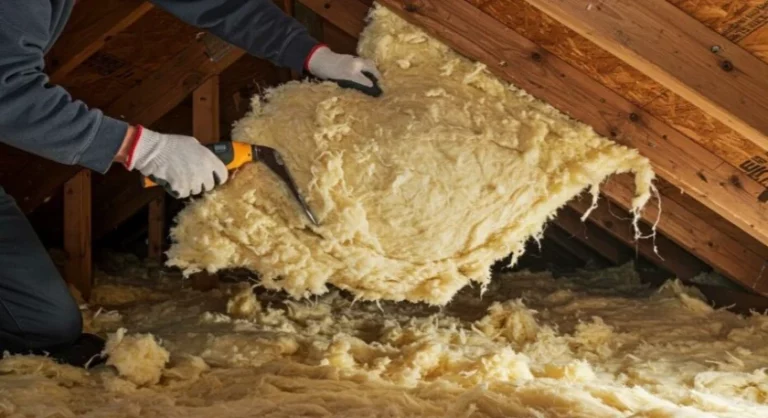
Rodents and insects are drawn to the warmth and relative shelter of attic and crawlspace insulation. Mice, rats, and squirrels tear apart fiberglass and cellulose to build nests, and their droppings, urine, and the remains of dead animals introduce bacteria and pathogens into the insulation matrix. Once contamination reaches this level, simply removing the pests is not enough. The soiled insulation must be extracted and replaced to restore safe indoor air quality.
Contaminated insulation also creates odor problems that can persist long after the pests are gone. Airborne particles from dried droppings can circulate through your HVAC system, affecting air quality throughout the entire home. Professional insulation removal in these cases includes identifying and sealing the entry points that allowed pests access in the first place.
Not all insulation removal is driven by emergencies. Over time, blown-in fiberglass and cellulose insulation can settle under its own weight, reducing its effective R-value and leaving the top portions of wall cavities or the edges of attics under-insulated. Building science experts on Green Building Advisor point out that insulation itself does not degrade on its own, but external factors like moisture, rodents, and settling cause it to lose performance. When insulation has thinned to the point that it no longer meets current energy code requirements, removal and replacement with a higher-performance material can deliver measurable improvements in comfort and energy costs.
The Department of Energy’s Weatherization Assistance Program has demonstrated that weatherization measures like insulation upgrades and air sealing save participating households an average of $372 or more per year. Homes that undergo comprehensive weatherization can reduce their overall energy consumption by up to 30 percent. For older homes with settled or inadequate insulation, professional removal followed by a proper reinstall with modern materials is one of the most effective investments a homeowner can make.
| Trigger | What Happens | Why Professional Removal Is Needed | Recommended Follow-Up |
|---|---|---|---|
| Vermiculite insulation | May contain asbestos fibers from the Libby, MT mine | Asbestos abatement requires certified contractors, containment, and specialized disposal | Replace with modern insulation after clearance testing |
| Mold growth | Fungal colonization within porous insulation fibers | Porous materials cannot be cleaned; surface treatment is insufficient | Fix the moisture source, then install new insulation |
| Water damage | Saturation destroys R-value and promotes mold | Wet insulation is heavy, difficult to handle, and may require a structural assessment | Repair leaks, verify dryness, and reinsulate |
| Pest contamination | Droppings, urine, nests, and chewed materials | Biohazard cleanup requires PPE, HEPA vacuums, and proper disposal | Seal entry points, then install fresh insulation |
| Settling / compression | Reduced thickness lowers effective R-value | Vacuum extraction allows clean reinstall to proper depth and density | Upgrade to higher R-value material if budget allows |
| Fire damage | Smoke, soot, and water from firefighting | Contaminants penetrate insulation; structural safety must be assessed | Full remediation with new insulation after clearance |
Choosing the right professional for insulation removal matters as much as deciding when to remove it. A qualified team will conduct a thorough inspection before quoting any work, including checking for hazardous materials like vermiculite. They will explain what they find, why removal is recommended, and what the replacement strategy looks like. Look for crews that use professional-grade vacuum equipment with HEPA filtration, seal the work area to prevent contamination of living spaces, and follow established safety protocols throughout the project. The best teams also address the root cause of the problem, whether that is a roof leak, inadequate ventilation, or pest entry points, so the new insulation performs as intended for decades to come.
Older homes (pre-1990): If your home was built before 1990 and has granular, pebble-like attic insulation, have it inspected for vermiculite. Do not disturb it until a professional has assessed the situation. These homes also frequently have under-insulated attics and walls where blown-in material has settled over decades.
Crawlspace homes: Fiberglass batts installed between crawlspace floor joists are highly susceptible to moisture damage, gravity, and pest activity. If your crawlspace insulation is falling, sagging, or showing signs of mold, full removal and a switch to a more durable solution like spray foam is often the better long-term choice.
Commercial buildings: Larger buildings face the same moisture and pest challenges but at greater scale. Professional removal in commercial settings requires coordination with HVAC systems, fire suppression equipment, and occupancy schedules. Energy savings from proper insulation in commercial spaces can be substantial, making removal and replacement a strong financial decision when existing material has failed.
Selkirk Energy Solutions provides expert insulation removal and replacement services for homes and buildings throughout the 83864 area and surrounding region. Our team evaluates the condition of your existing insulation, identifies hazards like vermiculite or mold, and recommends the right solution to restore comfort and energy efficiency. We handle everything from crawlspace encapsulation to full attic insulation removal and replacement with professional-grade equipment and proper safety protocols.
Call us at (208) 295-9780 or email [email protected] to request a quote or schedule an insulation assessment today.
Request a Free Quote Schedule an Assessment
DIY insulation removal is risky and generally discouraged. Without proper containment, PPE, and HEPA-filtered equipment, you can spread hazardous particles throughout your home. If vermiculite is present, the EPA states you should never attempt to remove it yourself due to asbestos exposure risks.
Vermiculite looks like small, pebble-like granules that are typically gray-brown or silver-gold in color. It is a loose-fill, pour-in product, not a batt or roll. If you suspect vermiculite, do not disturb it and contact a professional for an assessment.
Insulation that has been lightly dampened may dry, but once it has been saturated, its structure and thermal performance are permanently compromised. The EPA recommends drying water-damaged materials within 24 to 48 hours to prevent mold, making a timely professional evaluation important.
Blown-in insulation does not have a fixed expiration date. External factors like moisture, pest activity, and physical disturbance are what cause it to fail. According to building science professionals, insulation in a properly maintained, dry space can last 100 years or more.
If your existing insulation has settled, been contaminated, or been damaged by water, removing it and replacing it with fresh material at the proper depth and density can meaningfully reduce energy waste. The Department of Energy reports that weatherization improvements save households hundreds of dollars annually on utility costs.