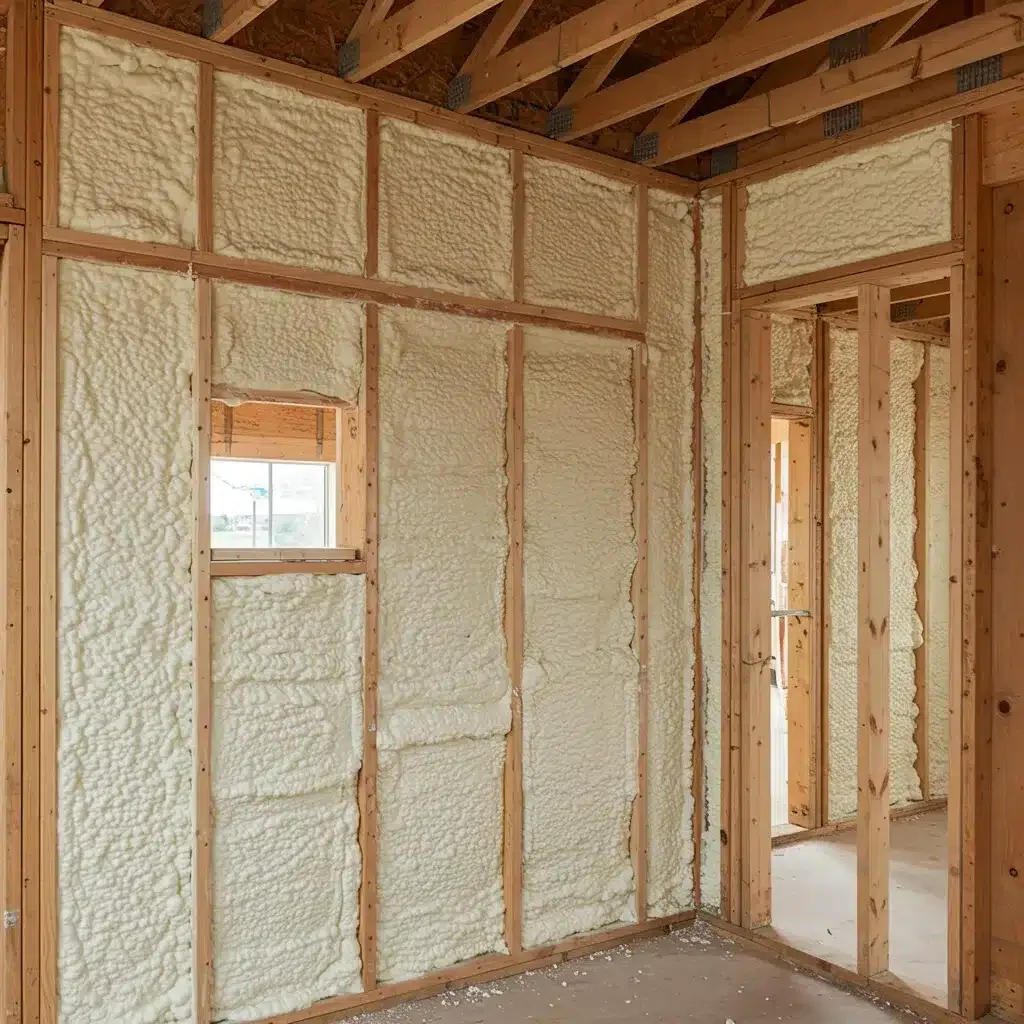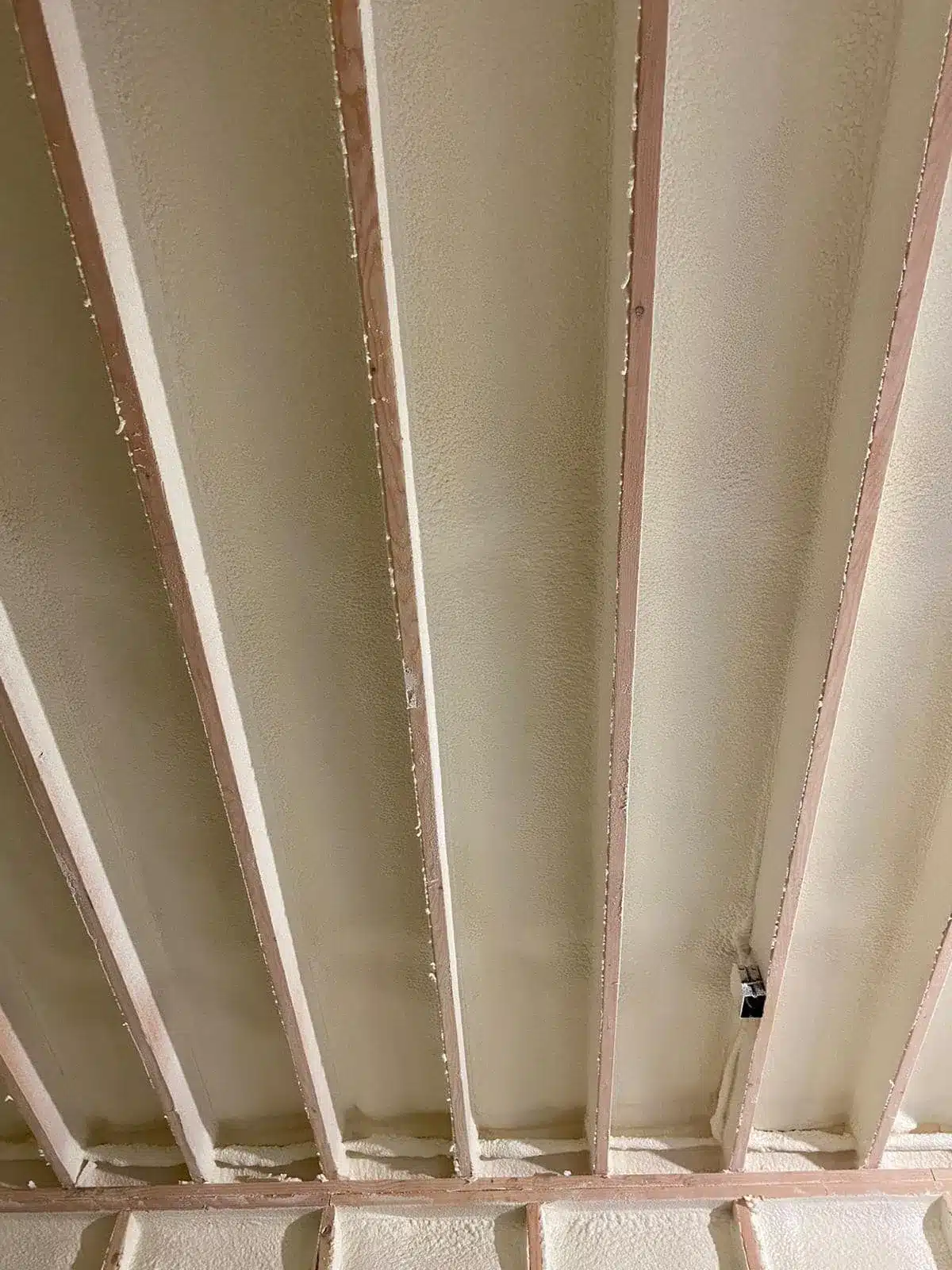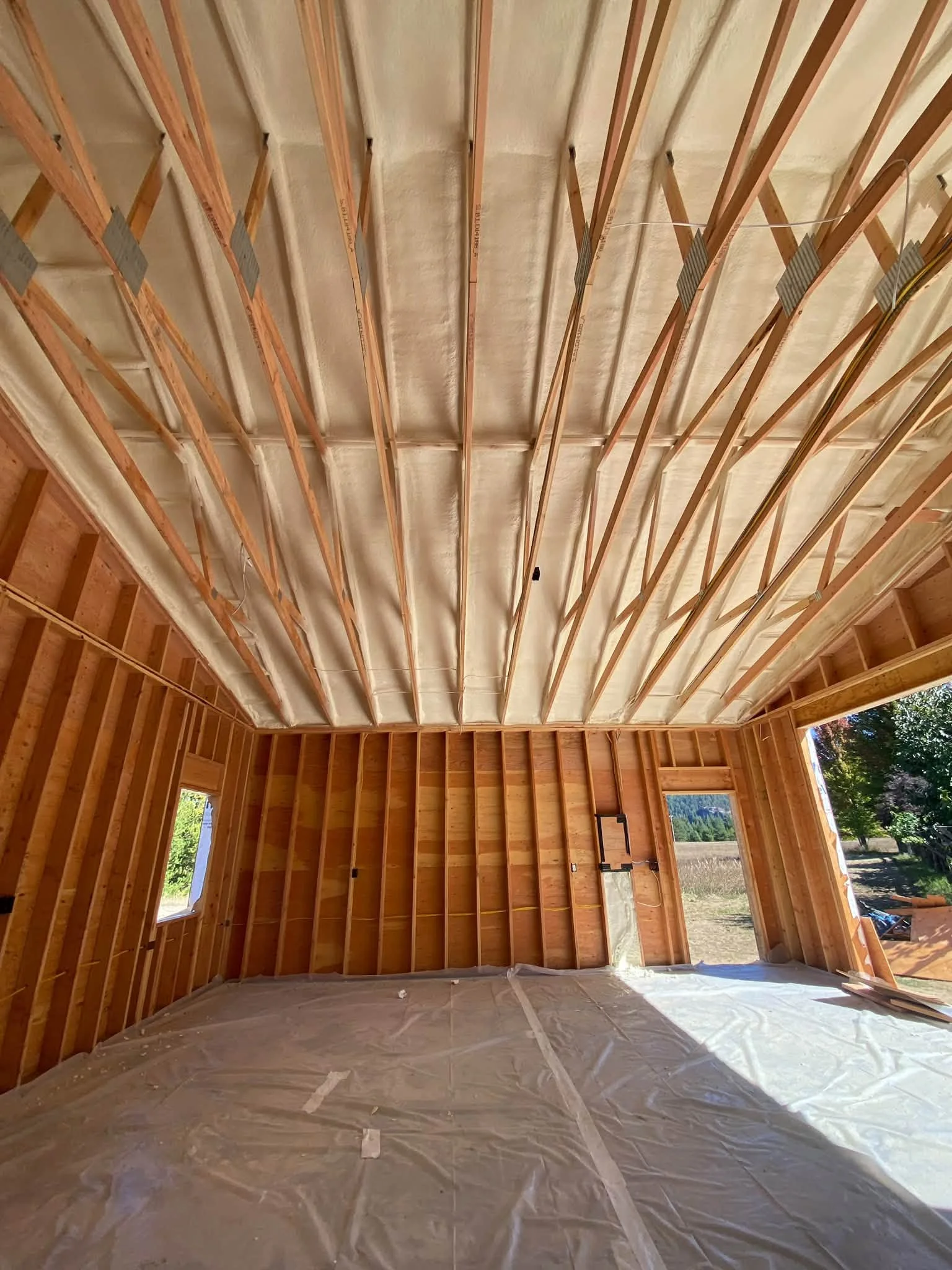
How Does Roof Design Influence Spray Foam Insulation Requirements in Dover, ID?
Your roof design is the primary factor that dictates how spray foam insulation should be installed. Because Dover, Idaho, experiences…


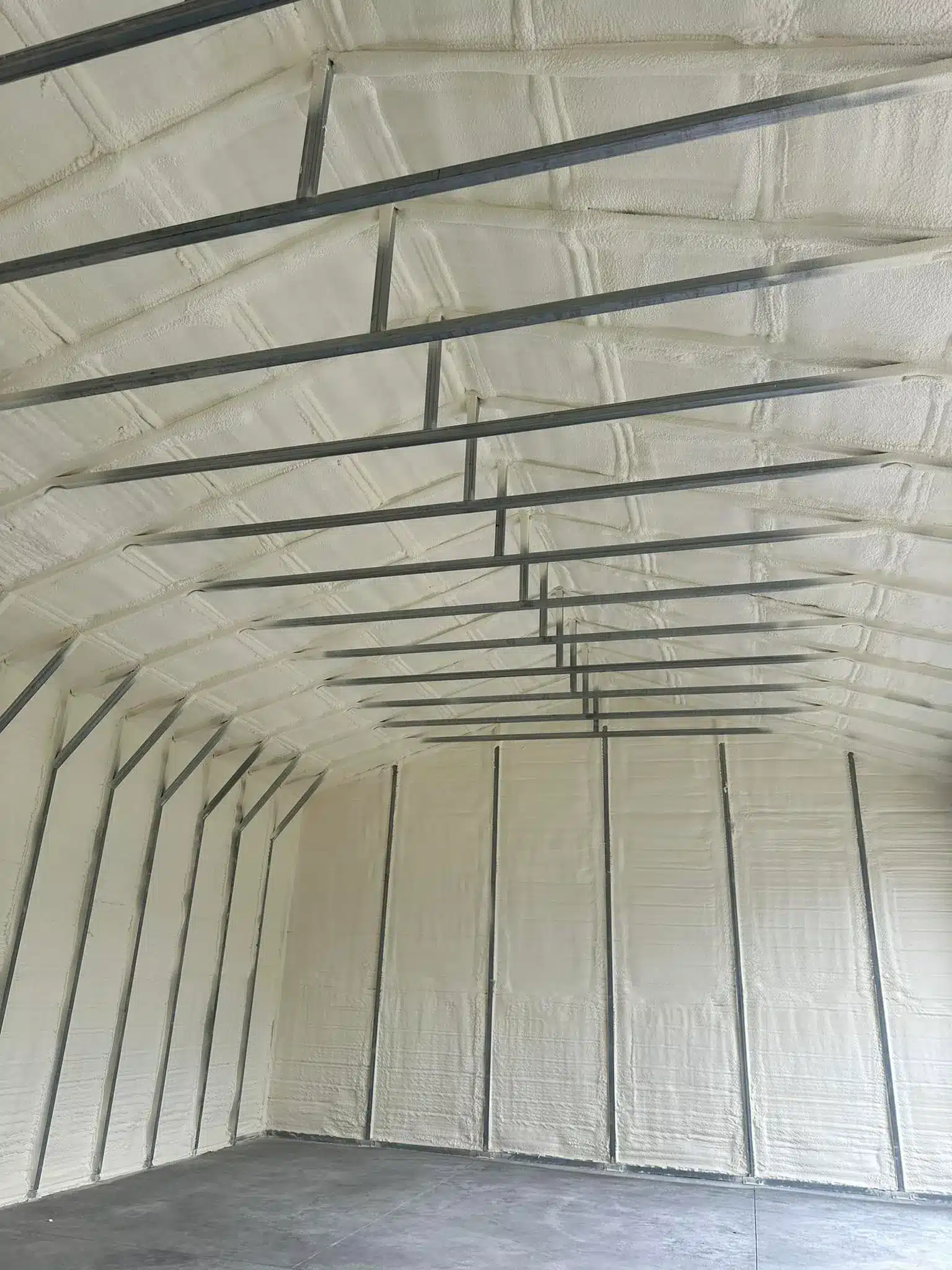
Metal buildings face a specific and costly enemy: moisture. When warm, humid air contacts the cool metal surface of a building’s framing or roofing, condensation forms, and that moisture sets off a chain reaction that leads to rust, structural weakening, and expensive repairs. The right insulation strategy, matched to your building type and climate conditions, addresses this problem at its source by managing temperature differentials, controlling vapor movement, and eliminating the conditions where moisture and metal meet. Different insulation approaches serve different goals, from basic thermal barriers to full air sealing systems, and choosing the wrong approach can actually make moisture problems worse.
Metal buildings are popular for commercial, agricultural, and storage applications because they are durable, fast to construct, and cost-effective. But the same material properties that make steel and aluminum strong also make them highly susceptible to moisture damage. Metal conducts heat rapidly, which means the interior surface of a metal panel or framing member can drop below the dew point temperature quickly when outdoor temperatures fall. According to the Wikipedia article on condensation, this process is especially aggressive when warm, moisture-laden indoor air contacts cooler surfaces, causing water vapor to deposit as liquid on the metal. Unlike wood or concrete, metal does not absorb moisture. The water sits on the surface, and over time, electrochemical corrosion begins.
Corrosion is the gradual deterioration of metal through chemical or electrochemical reaction with its environment. When moisture sits on unprotected steel surfaces, oxidation produces iron oxides, commonly known as rust. This process degrades mechanical strength, creates unsightly staining, and can eventually compromise the structural integrity of framing members, roofing panels, fasteners, and connectors. The economic impact of corrosion is substantial, with studies cited by the Federal Highway Administration showing direct costs running into hundreds of billions of dollars annually across U.S. industries.
Understanding the mechanics of condensation helps explain why insulation choices matter so much. Warm air holds more water vapor than cold air. When that warm air moves through a building envelope and encounters a surface below the dew point temperature, the vapor condenses into liquid water. In a metal building, the structural steel framing, roof panels, and wall girts all act as thermal conductors that pull cold temperatures inward. Any uninsulated or poorly insulated metal surface becomes a condensation risk.
The problem intensifies in buildings with high interior humidity, such as workshops with propane heaters, livestock facilities, storage buildings with temperature swings, or manufacturing spaces that generate moisture through processes. Even buildings used primarily for dry storage can experience condensation during seasonal temperature transitions.
A thermal bridge is an area within a building envelope that has higher thermal conductivity than surrounding materials, creating a path of least resistance for heat transfer. In metal buildings, thermal bridges are everywhere: steel studs, purlins, girts, fasteners, door frames, and window frames all conduct heat far more efficiently than the insulation between them. This creates localized cold spots where condensation concentrates.
Thermal bridges not only increase energy costs through unwanted heat loss, they directly cause moisture problems. When insulation is placed between metal framing members, the framing itself still pulls cold inward at every connection point. The surface temperature drops at those locations, and condensation forms in predictable patterns along the framing lines. Addressing thermal bridging through continuous insulation, thermal breaks, or spray foam applications that cover the framing directly is essential for effective moisture control in metal buildings.
Not all insulation materials handle moisture the same way. The right choice depends on the building’s use, climate zone, existing construction, and budget. Here is how the most common insulation types perform when it comes to preventing rust and moisture damage:
| Insulation Type | R-Value per Inch | Moisture Resistance | Air Sealing Ability | Vapor Retarder |
|---|---|---|---|---|
| Closed cell spray foam | 5.5 to 6.5 | Very high | Excellent | Built-in |
| Open cell spray foam | 3.6 to 3.8 | Low (absorbs water) | Excellent | None |
| Fiberglass batts | 3.1 to 4.3 | Poor when wet | Minimal | None |
| Rigid foam board (XPS) | 5.0 to 5.4 | High | Good (with sealed joints) | Varies by facing |
| Mineral wool batts | 3.0 to 3.85 | Drains, does not absorb | Minimal | None |
Closed-cell spray foam is particularly well suited to metal buildings because it adheres directly to metal surfaces, seals gaps and penetrations, and acts as both an insulator and a Class II vapor retarder. The closed cell structure prevents water absorption, which means the foam itself will not hold moisture against the metal. Our closed cell spray foam services deliver an average per-square-foot price of $2.45, making it a higher initial investment than some alternatives, but it addresses multiple problems, thermal, air, and moisture, in a single application.
Open-cell spray foam provides strong air sealing at a lower cost point, averaging $0.60 per square foot. It expands to fill cavities and seals around framing members, which reduces the air movement that carries moisture to cold surfaces. However, open cell foam is vapor-permeable and can absorb water if exposed to direct moisture contact. In metal buildings where interior humidity is low and a separate vapor barrier is planned, open cell foam can be an effective option.
Traditional batt insulation is inexpensive and widely available, but it offers limited protection against moisture in metal buildings. Fiberglass does not stop air movement, and when moisture enters the cavity, the insulation can lose effectiveness and potentially hold water against the metal framing. According to Wikipedia’s building insulation article, insufficient or improperly installed vapor barriers are a leading cause of moisture-related building damage. Fiberglass and mineral wool can work in metal buildings, but only when combined with proper air sealing, a well-placed vapor barrier, and attention to thermal bridging.
Rigid foam boards, including extruded polystyrene (XPS) and polyisocyanurate, provide consistent R-values and good moisture resistance. When installed as continuous insulation over the interior face of metal framing, they create a thermal break that reduces condensation at framing locations. The joints between boards must be sealed with tape or spray foam to prevent air and moisture bypass. Rigid board is a strong choice for new construction or major retrofit projects.
Air sealing is one of the most overlooked aspects of moisture control in metal buildings. Warm, humid indoor air will find any available path to reach cold exterior surfaces. Gaps around doors and windows, unsealed panel laps, roof penetrations, and uncaulked base plates all allow conditioned air to leak outward. As that air moves through the building envelope, it deposits moisture on whatever cold surface it encounters.
Our air sealing services average $1.00 per square foot and target the specific leak points where moisture transport occurs. Combined with proper insulation, air sealing dramatically reduces the volume of humid air reaching cold metal surfaces, which is the direct mechanism of condensation formation.
A vapor barrier is only effective when placed on the correct side of the insulation. In a heated building in a cold climate, the vapor barrier belongs on the warm interior side to prevent indoor moisture from migrating into the wall or ceiling assembly. In a cooling-dominated climate, the logic reverses. Placing a vapor barrier on the wrong side can trap moisture within the assembly, which accelerates corrosion rather than preventing it.
For metal buildings, this is especially important because the metal skin itself can act as a vapor barrier on the exterior. If a second vapor barrier is placed on the interior side without proper ventilation in the cavity, any moisture that does get in has no way to dry out. Working with experienced installers who understand vapor drive and building science principles is essential to getting this right.
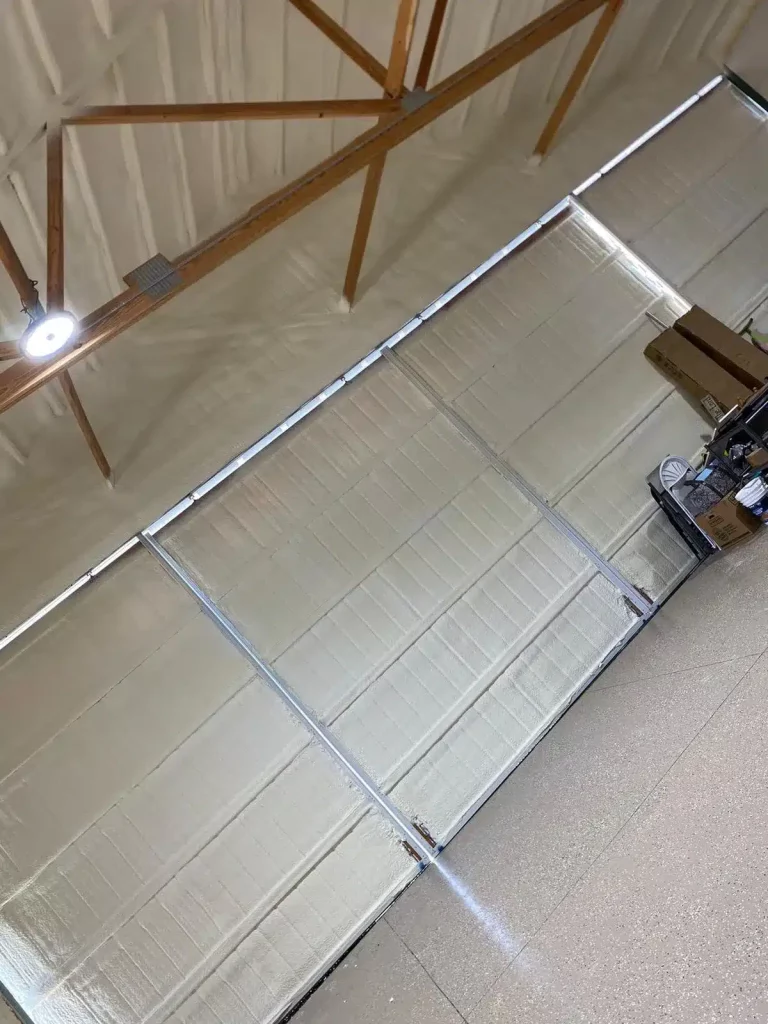
| Building Type | Primary Concern | Recommended Approach | Key Consideration |
|---|---|---|---|
| Heated workshops / garages | Interior condensation on framing | Closed cell spray foam on walls and ceiling | Must seal all penetrations and joints |
| Agricultural storage / barns | High humidity from livestock / crops | Closed cell spray foam + mechanical ventilation | Ventilation is required alongside insulation |
| Cold storage buildings | Temperature differential across envelope | Continuous rigid foam + sealed joints | Vapor barrier placement depends on use season |
| Commercial / retail | Energy efficiency + aesthetics | Closed cell spray foam or rigid board behind finished walls | Coordinate insulation with interior buildout |
| Unheated storage | Seasonal condensation during spring/fall | Air sealing + reflective radiant barrier | Lower cost approach for intermittent use |
When evaluating an insulation provider or strategy for your metal building, look for these indicators:
Selkirk Energy Solutions provides expert insulation services for metal buildings throughout the area and surrounding regions. Our team evaluates each building’s specific conditions, including framing type, use patterns, ventilation, and existing moisture issues, before recommending an insulation strategy. Whether you need closed cell spray foam, open cell spray foam, air sealing, or a complete insulation removal and replacement, we deliver installations designed to prevent the condensation and corrosion problems that shorten the life of metal structures. Contact us at [email protected] or call (208) 295-9780 to discuss your building’s needs.
Request a Free Quote | Schedule a Consultation
Insulation raises the surface temperature of metal framing and panels, which reduces condensation, but it must be paired with proper air sealing and vapor management for full protection.
These seasons produce large temperature swings between day and night, which drives the metal surface through the dew point repeatedly and causes heavy condensation cycles.
Closed cell spray foam provides insulation, air sealing, and vapor retardation in one step, which addresses the three primary causes of moisture damage in metal buildings.
Unheated buildings benefit most from air sealing and a radiant barrier to reduce radiant heat gain, though insulation helps if the building is occasionally heated or stores moisture-sensitive items.
Staining on interior wall panels, musty odors, visible rust on fastener heads, or damp spots at framing connections indicate hidden moisture problems that should be assessed before adding new insulation.