How Can Spray Foam Insulation Help Reduce Persistent Drafts in Garwood, ID Homes?
Spray foam insulation reduces persistent drafts because it works as an insulation and an air barrier in a single application.…


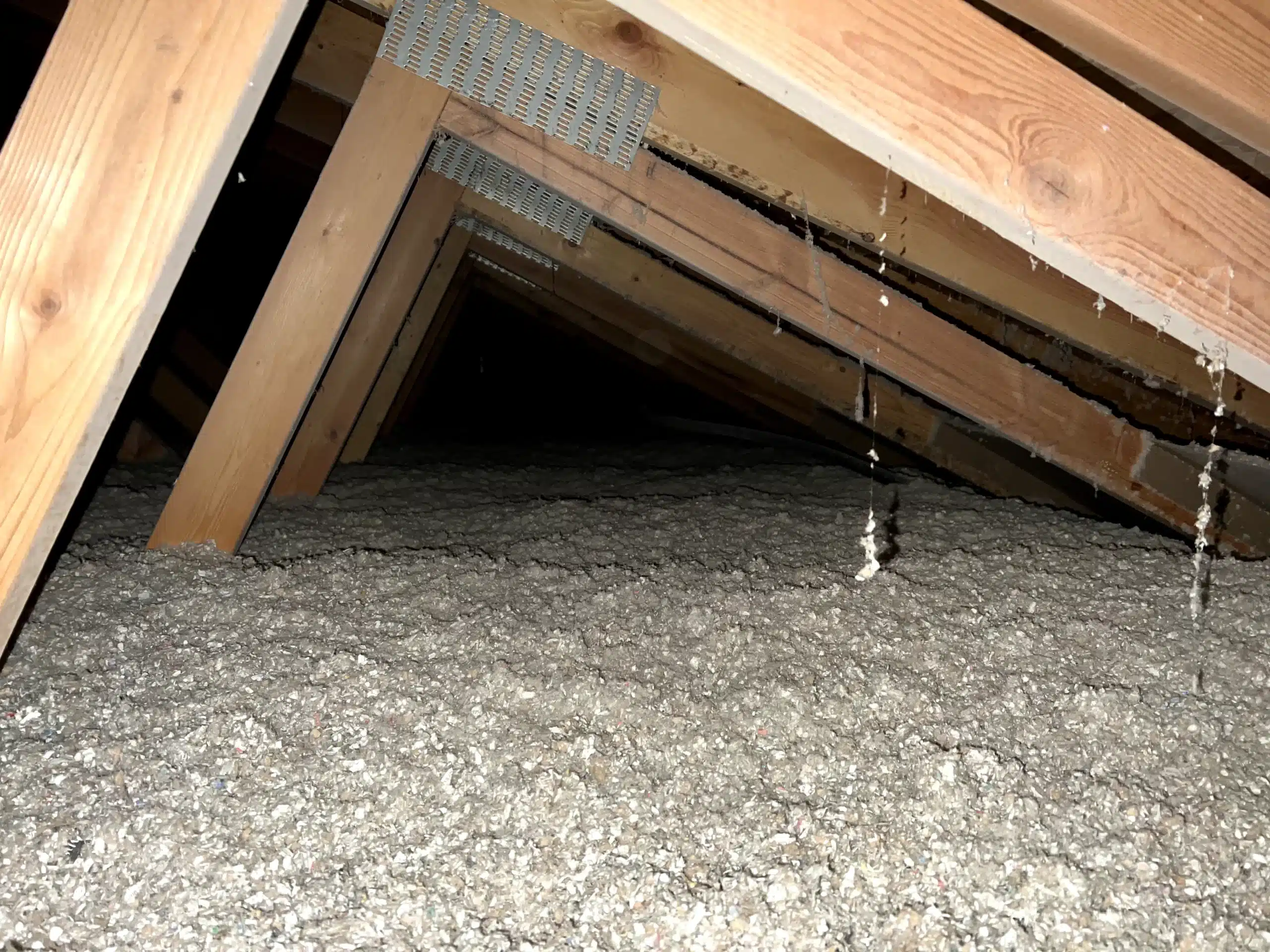
Cellulose blown-in insulation delivers better overall coverage than fiberglass blown-in insulation in Hayden, ID homes and buildings, particularly in existing wall cavities and retrofit applications. Its higher density, at roughly 3.5 pounds per cubic foot when dense-packed, allows it to fill voids completely around pipes, wiring, and framing irregularities that fiberglass can leave exposed. Cellulose also provides superior air infiltration reduction, better sound dampening, and a higher fire resistance rating due to borate treatment. Fiberglass blown-in insulation still has its place, especially in attics where weight is a concern, and it offers a slightly lower R-value per inch in a lighter material. For Hayden’s cold climate zone (DOE Zone 6), where walls require insulation rated at R-20 or better, cellulose dense-pack provides a more complete thermal and air barrier in framed wall cavities, making it the stronger choice for full-coverage retrofits.
Blown-in insulation refers to loose-fill material that is pneumatically installed through a hose into wall cavities, attics, or other enclosed spaces. The two primary blown-in materials used in Hayden residential and commercial projects are cellulose and fiberglass.
Cellulose insulation is made primarily from recycled paper fiber, treated with borate compounds for fire retardation and pest resistance. When installed as a dense-pack in wall cavities, it reaches approximately 3.5 lb/ft3, which forces the material into every gap and void within the framing cavity. The University of Colorado study found cellulose-insulated structures lost 26.4% less heat energy compared to fiberglass-insulated structures and tightened the building envelope by more than 30%.
Fiberglass blown-in insulation consists of spun glass fibers, typically installed at a lower density than cellulose. It is commonly used in attic floors and open wall cavities during new construction. While it achieves a similar R-value per inch to cellulose, its lower density means it does not resist air movement through the cavity as effectively. Standard blown fiberglass can also settle over time, potentially leaving voids at the top of wall cavities in retrofit applications.
| Factor | Cellulose Blown-In | Fiberglass Blown-In |
|---|---|---|
| R-Value per Inch | R-3.0 to R-3.8 | R-2.5 to R-3.7 |
| Density (lb/ft3) | 3.5 (dense-pack) | 0.5 to 1.0 (typical) |
| Air Infiltration Reduction | Order of magnitude reduction in wall cavities | Moderate; gaps possible without dense-pack |
| Fire Resistance | Class I (borate-treated) | Naturally non-combustible (glass) |
| Sound Dampening | Better (3x denser than fiberglass) | Moderate |
| Settling Risk | Minimal when dense-packed | Higher risk in wall cavities over time |
| Weight | Heavier (3x fiberglass per R-value) | Lighter, less ceiling load concern |
| Cavity Filling | Fills completely around obstructions | May leave voids around wires and pipes |
| Moisture Tolerance | Borates resist mold; stores and distributes moisture | Can lose R-value when wet |
| Best Application | Wall retrofits, dense-pack cavities | Attic floors, new construction cavities |
For Hayden, ID homeowners dealing with cold winters and the need for effective thermal barriers, wall cavity coverage matters enormously. When we look at how these materials perform inside actual framed walls, the differences become significant.
Building Science Corporation testing at their research facility showed that empty wood-frame wall cavities exhibit leakage rates between 0.4 to 4 cfm/ft2. After dense-packing with cellulose at 3.5 lb/ft3, leakage dropped to 0.04 to 0.2 cfm/ft2, representing an order of magnitude reduction. The same results were achievable with some blown fiberglass products when dense-packed, but this requires specific equipment and installation techniques that are not always available or used in standard blown fiberglass applications.
Cellulose fills wall cavities more consistently because its small, fibrous particles flow around obstructions like electrical wiring, plumbing runs, and framing irregularities. The dense-pack installation method forces material into the cavity under pressure, ensuring no voids remain. This is particularly important in older Hayden homes where wall cavities may have bridging, blocking, or non-standard framing.
According to the Building Science Corporation, dense packing walls results in remarkable performance, and it is one of the most effective ways to retrofit insulation into existing uninsulated frame walls. This is a mature, well-established method that has been used in weatherization programs for over 30 years.
Hayden, Idaho sits in the northern Idaho panhandle in Kootenai County. Based on ASHRAE and DOE climate classifications referenced in the Building Science Corporation’s vapor barrier guide, this region falls within Climate Zone 6, which is classified as a cold climate with significant heating degree days.
In Zone 6, ASHRAE 90.1 prescriptive requirements call for residential wood-framed wall insulation of R-20 or greater (R-13 + R-7.5 continuous insulation). Attic insulation requirements are even higher, typically R-49 to R-60. These requirements make material choice and installation quality critical for meeting code and achieving real energy savings.
Zone 6 also requires a Class II vapor retarder on the interior surface of insulated wall and floor assemblies, according to building science guidance. This is relevant to material selection because cellulose’s density and ability to limit air movement through the cavity can reduce moisture accumulation within wall assemblies.
| Scenario | Property Type | Recommended Option | Why |
|---|---|---|---|
| Pre-1980s home with uninsulated 2×4 walls | 1,500 sq ft ranch | Cellulose dense-pack | Complete cavity fill around existing wiring and plumbing |
| New construction open-floor attic space | 2,500 sq ft two-story | Fiberglass blown-in | Lighter weight, easier to achieve target R-value depth |
| Retrofit crawlspace ceiling insulation | 1,800 sq ft single-family | Fiberglass blown-in | Lower moisture exposure, fits between joists well |
| Historic Hayden home with lathe and plaster walls | 2,000 sq ft craftsman | Cellulose dense-pack | Superior air sealing, minimal disturbance to interior |
| New build with 2×6 framed walls | 3,000 sq ft custom home | Either (cellulose for walls, fiberglass for attic) | New cavities are clean and accessible for both materials |
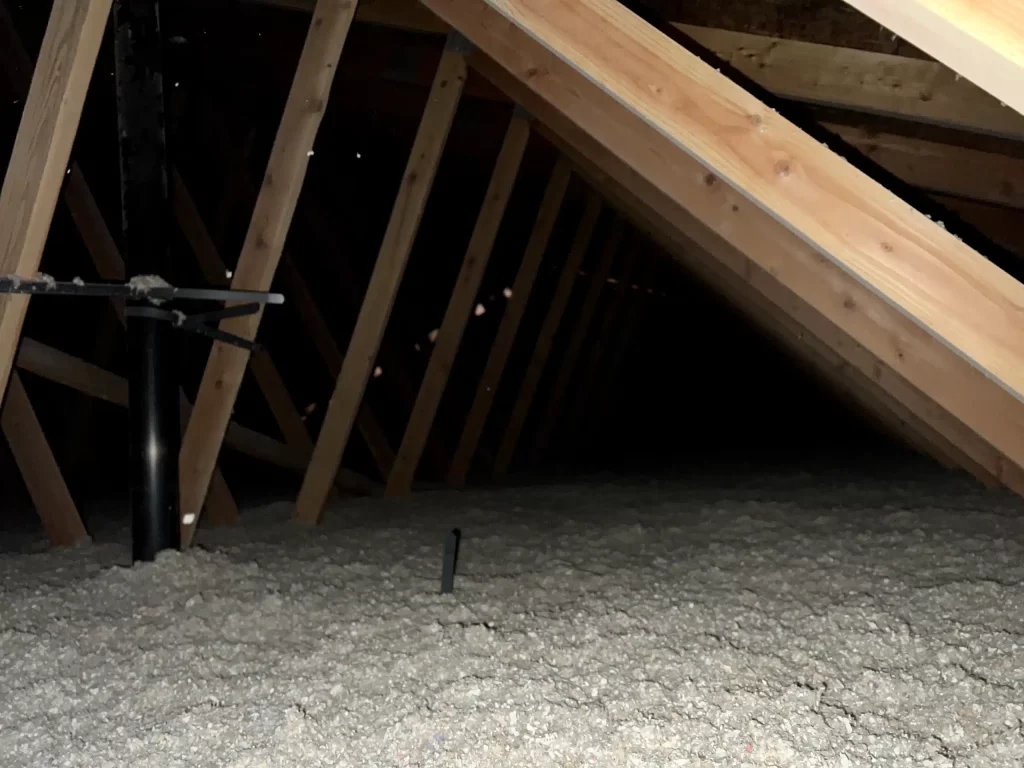
Several variables determine which material will perform better for a specific Hayden property:
Selkirk Energy Solutions has been serving Hayden, ID and the surrounding Kootenai County area for years, working on everything from new construction builds to retrofit wall insulation in pre-1980s homes. Our team evaluates every property individually, considering cavity conditions, structural capacity, and your specific goals before recommending the right blown-in insulation approach. Whether cellulose dense-pack or fiberglass blown-in is the better fit for your project, we install it correctly the first time with proper density, coverage, and attention to air sealing.
Contact our team at [email protected] or call (208) 295-9780 to get started.
Request a Free Quote | Schedule an Insulation Assessment
Yes. Our team drills small access holes through the exterior siding or interior drywall, blows the insulation into each wall cavity, and then patches and seals the holes, leaving minimal visible evidence of the installation.
Dense-pack cellulose is installed under pressure at approximately 3.5 lb/ft3 density, which forces the material into every void and significantly reduces air movement through the cavity. Standard blown-in applications at lower densities do not achieve the same air sealing benefit.
When cellulose is installed using the dense-pack method at the correct density, settling is effectively eliminated. Loose-fill fiberglass installed in wall cavities at lower densities has a higher risk of settling and leaving voids over time.
Hayden falls within DOE Climate Zone 6, which requires a Class II vapor retarder on the interior surface of insulated wall assemblies. Our team evaluates each assembly to ensure proper vapor control based on the specific wall construction and exterior sheathing materials.
No. Cellulose insulation is treated with borate compounds that provide a Class I fire safety rating. The dense material actually restricts oxygen flow to structural framing members, and National Research Council Canada studies have shown cellulose-insulated wall assemblies perform better in fire resistance tests than fiberglass-insulated assemblies.