How Can Spray Foam Insulation Help Reduce Persistent Drafts in Garwood, ID Homes?
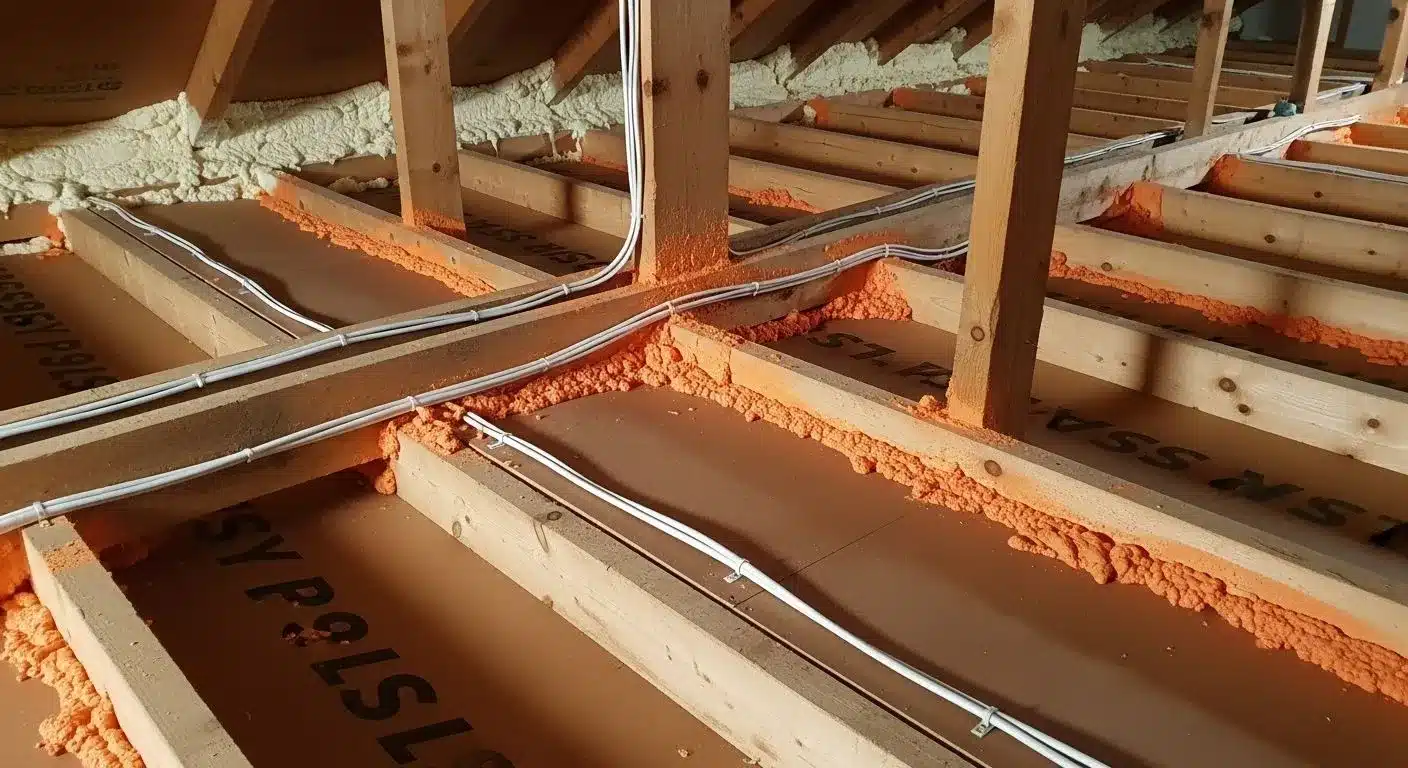
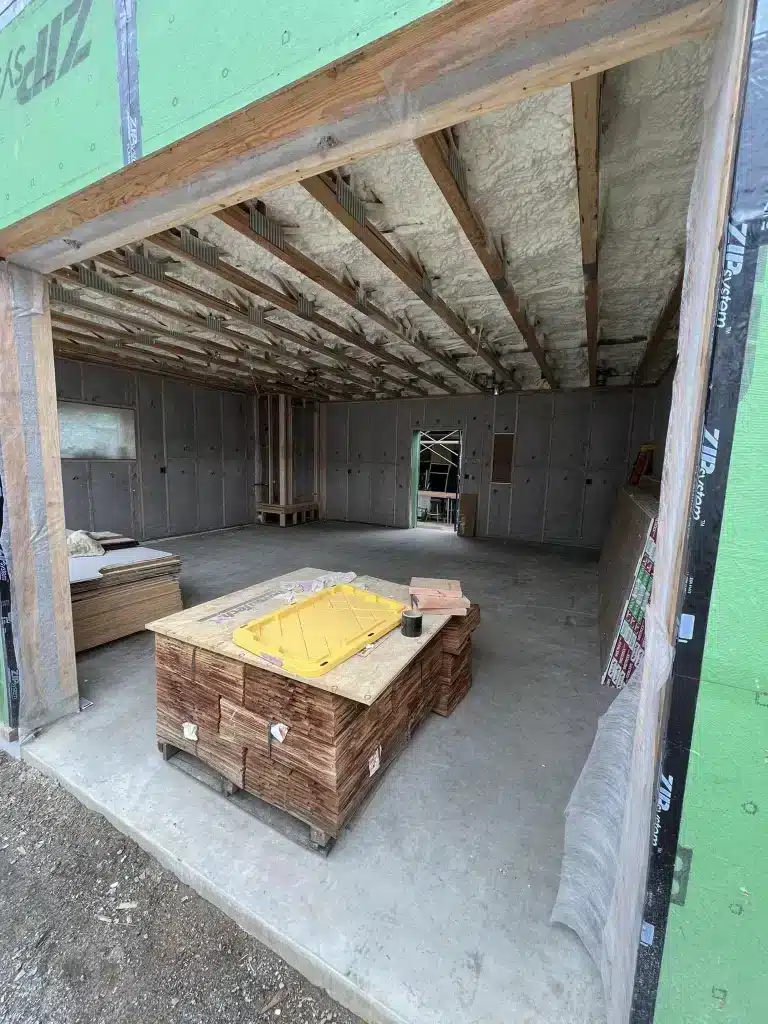
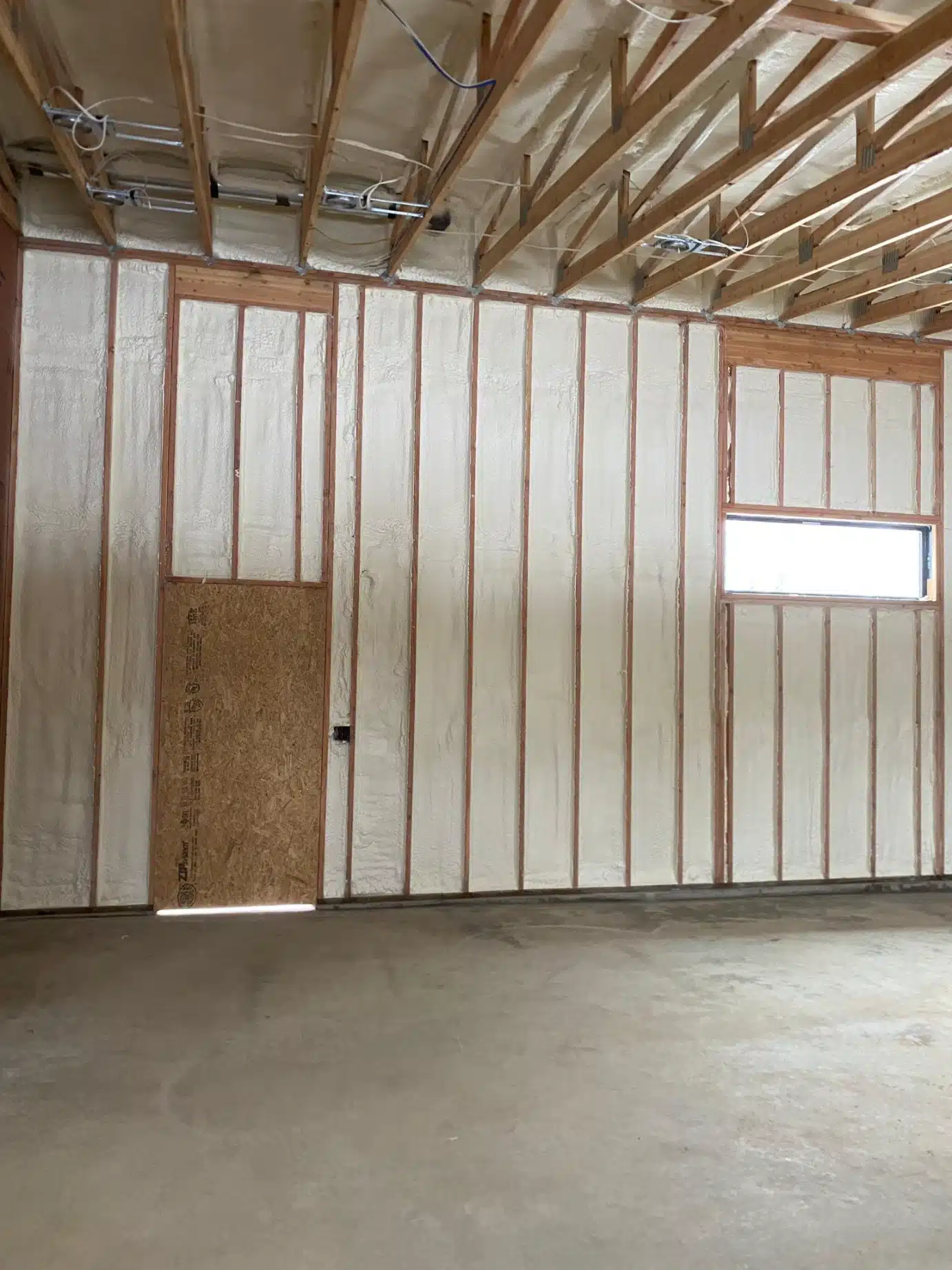
Spray foam insulation reduces persistent drafts because it works as an insulation and an air barrier in a single application.…


Cold floors in winter, stifling upstairs bedrooms in summer, and utility bills that keep climbing are not just seasonal annoyances. They are your home’s way of telling you the building envelope, specifically the insulation, is no longer doing its job. Insulation works by slowing the transfer of heat through walls, floors, ceilings, and roofs via conduction, convection, and radiation. When it degrades, settles, or was never installed properly to begin with, heat moves freely between conditioned and unconditioned spaces. The result is uneven temperatures room to room, higher energy use, and moisture problems that can damage your home over time. The right solution depends on where the problem is located, what type of insulation is already in place, and whether air sealing is also needed. Below we break down the warning signs, the science behind them, and how to match the right fix to each situation.
Insulation is material installed within the building envelope to reduce the flow of thermal energy. According to the Wikipedia article on building insulation, around 40% of energy consumption can be attributed to buildings, mainly for heating and cooling. Heat transfers through three mechanisms: conduction through solid materials, convection through air movement, and radiation across open spaces. Insulation addresses all three by trapping stagnant air within its structure, creating resistance to heat flow measured in R-value. The higher the R-value, the greater the thermal resistance.
When insulation is missing, compressed, or has settled over time, the R-value drops and heat moves more freely between the inside and outside of your home. In winter, heated air escapes through poorly insulated attics and walls, forcing your heating system to work harder. In summer, radiant heat from the roof penetrates uninsulated ceilings and builds up in upper floors, which is why upstairs rooms often feel significantly hotter than rooms on the ground level.
One often overlooked factor is thermal bridging. A thermal bridge is a path of higher thermal conductivity through the building envelope, typically at framing members, junctions between walls and floors, or around windows and doors. These bridges create localized cold zones in winter and hot zones in summer, contributing to the uneven temperatures many homeowners experience even when insulation levels between studs appear adequate.
If your upstairs rooms run significantly hotter in summer or colder in winter compared to the rest of the house, the attic is likely underinsulated or the insulation has settled below effective levels. Heat rises naturally, and without sufficient attic insulation, that heat transfers directly into second-story rooms. The US Department of Energy recommends attic insulation levels of at least R-38 for most climates.
Cold floors above crawlspaces, garages, or basements mean the floor assembly lacks sufficient insulation. Floor insulation in these areas prevents heat loss through conduction and keeps the living space above at a comfortable temperature. Batts that have fallen out of place, gaps from poor insulation installation, or missing insulation entirely all contribute to this problem.
Feeling air movement near exterior walls, around electrical outlets, or at the base of window frames usually indicates a combination of insufficient insulation and air leaks. Insulation between studs does not stop air infiltration at gaps and penetrations. Air sealing is needed alongside insulation to block these convective losses.
If your heating and cooling costs have increased steadily and your HVAC system is functioning properly, the insulation in your home may be losing effectiveness. The US Energy Information Administration’s Residential Energy Consumption Survey consistently shows that space heating and cooling account for the largest share of residential energy use. When insulation degrades, that share grows.
Ice dams form when heat from inside the home escapes through the attic and warms the roof deck, melting snow that then refreezes at the colder eaves. This is a clear indicator of attic insulation failure combined with inadequate ventilation. Ice dams can cause water to back up under shingles and leak into walls and ceilings.
When warm indoor air meets cold surfaces created by poor insulation, condensation forms. Persistent moisture on walls, ceilings, or in crawlspaces leads to mold growth and structural damage. The building insulation literature notes that building damage reports show mold problems account for a significant percentage of reported issues, often tracing back to insufficient thermal insulation.
| Symptom | Most Likely Problem Area | What to Check |
|---|---|---|
| Hot upstairs, cold downstairs | Attic / ceiling insulation | Insulation depth, settling, gaps, ventilation |
| Cold floors over crawlspace or garage | Floor insulation / crawlspace encapsulation | Batts in place, moisture barrier, air sealing |
| Drafty rooms near exterior walls | Wall insulation and air leaks | Outlet gaskets, rim joist insulation, caulk lines |
| High heating bills with no HVAC issues | Attic, walls, and rim joist | Overall R-value, thermal bridges, compressed insulation |
| Ice dams on roof edge | Attic insulation and ventilation | Air leaks from living space into attic, soffit vents |
| Mold or moisture in crawlspaces | Crawlspace insulation and moisture control | Vapor barrier, standing water, insulation condition |
Different insulation types serve different needs. Matching the right material and approach to the specific problem area matters more than choosing a single type for the whole house.
| Solution | Best Application | What It Addresses |
|---|---|---|
| Open cell spray foam ($0.45–$0.75 per sq ft) | Walls, crawlspaces, attics | Sound dampening, fills irregular cavities, seals small air leaks |
| Closed cell spray foam ($1.90–$2.80 per sq ft) | Rim joists, crawlspaces, exterior walls | High R-value per inch, moisture barrier, structural support, air sealing |
| Air sealing ($0.50–$2.00 per sq ft) | Attic floor, rim joists, penetrations | Stops drafts, closes gaps around pipes, wires, and ducts |
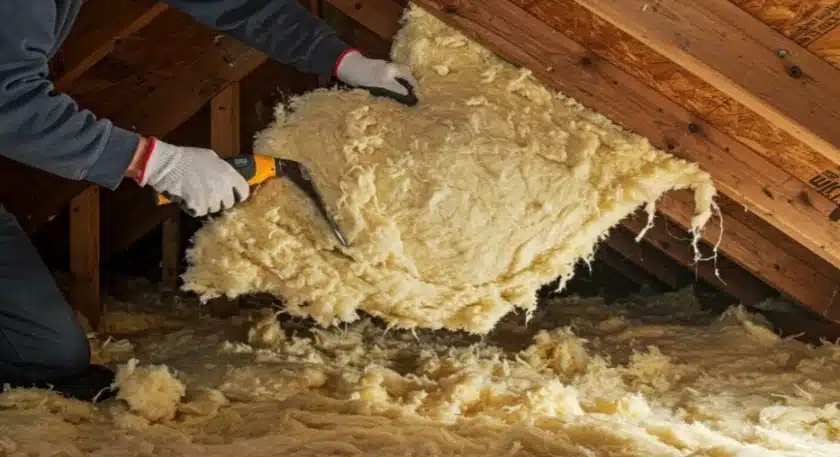
| Insulation removal and replacement ($2.50–$4.50 per sq ft) | Attics, walls with damaged insulation | Mold remediation, pest damage, compressed or ineffective older insulation |
The Federal Trade Commission’s R-Value Rule requires manufacturers and installers to disclose tested R-value information to consumers. This regulation exists because R-value is the standardized measure of how effectively an insulation product resists heat flow. Always verify the R-value of any insulation product before installation.
Older homes (pre-1980): These homes were often built with little to no wall insulation and minimal attic insulation. Prioritize attic insulation and air sealing first, as these offer the highest return on comfort improvement. Crawlspace encapsulation with closed cell spray foam addresses both insulation and moisture.
Newer homes (1980–2005): These homes typically have fiberglass batts in walls and attics, but installation quality varies. Have a professional inspect for gaps, compression, and settling. Air sealing around the attic floor and rim joist is often the most impactful improvement.
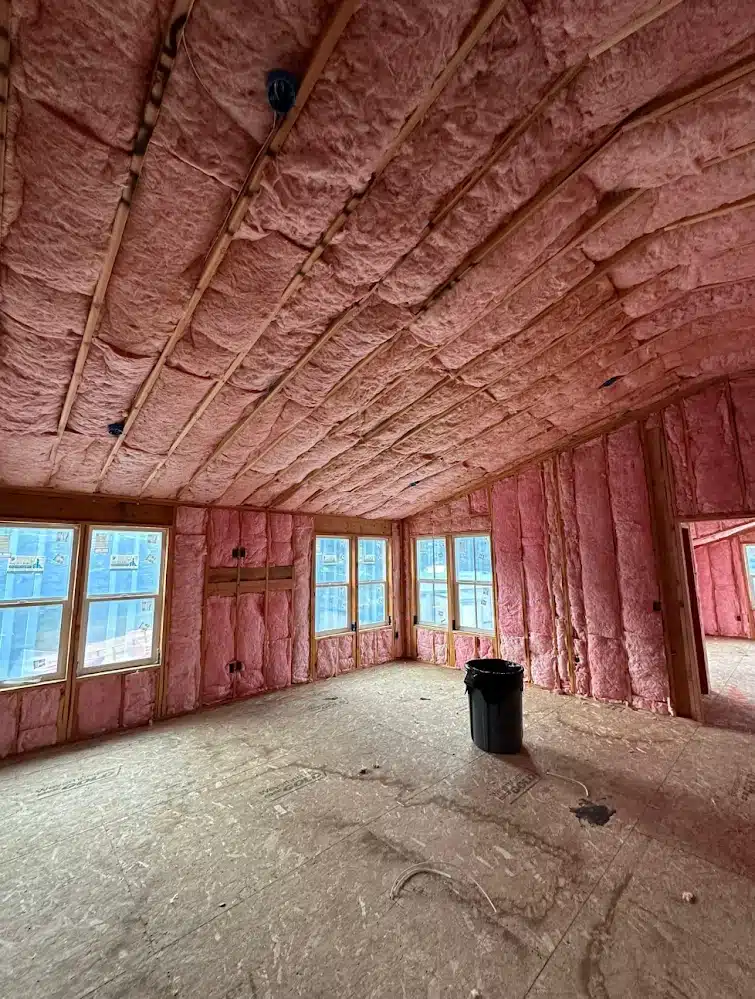
Recently built homes (2005–present): Even modern homes can have insulation issues, particularly at complex framing junctions, vaulted ceilings, and bonus rooms over garages. Thermal imaging can identify problem spots that standard inspections miss.
Selkirk Energy Solutions helps homeowners in Sandpoint, Idaho and the surrounding area identify and fix insulation problems that cause cold floors, hot upstairs rooms, and rising energy bills. Our team evaluates your attic, crawlspace, walls, and rim joists to determine exactly where heat is escaping and recommends the right combination of spray foam, air sealing, and insulation replacement for your home. We work on everything from new construction to retrofit homes and commercial buildings, with project sizes ranging from 1,500 sq ft residences to larger properties.
Request a Free Quote | Schedule an Insulation Assessment
Call us at (208) 295-9780 or email [email protected] to get started. Comfortable, even temperatures in every room are closer than you think.
Yes. Cold floors, hot upstairs rooms, ice dams, and high energy bills are all visible indicators. A professional energy audit with infrared thermography can confirm problem areas without any demolition.
In most cases, yes. Underinsulated attics are the primary cause of upstairs overheating in summer and heat loss in winter. Air sealing the attic floor before adding insulation produces the best results.
Closed cell spray foam has a higher R-value per inch, acts as a moisture barrier, and adds structural rigidity. Open cell spray foam costs less, expands more to fill cavities, and is better suited for sound dampening and interior wall applications.
Most residential projects take one to three days depending on the scope of work, the size of the home, and the areas being treated. Crawlspaces and attics are usually completed in a single day.
Air sealing should always happen before or at the same time as insulation. Sealing first closes the gaps and leaks that allow heated or cooled air to escape, which maximizes the effectiveness of the new insulation.