How Can Spray Foam Insulation Help Reduce Persistent Drafts in Garwood, ID Homes?
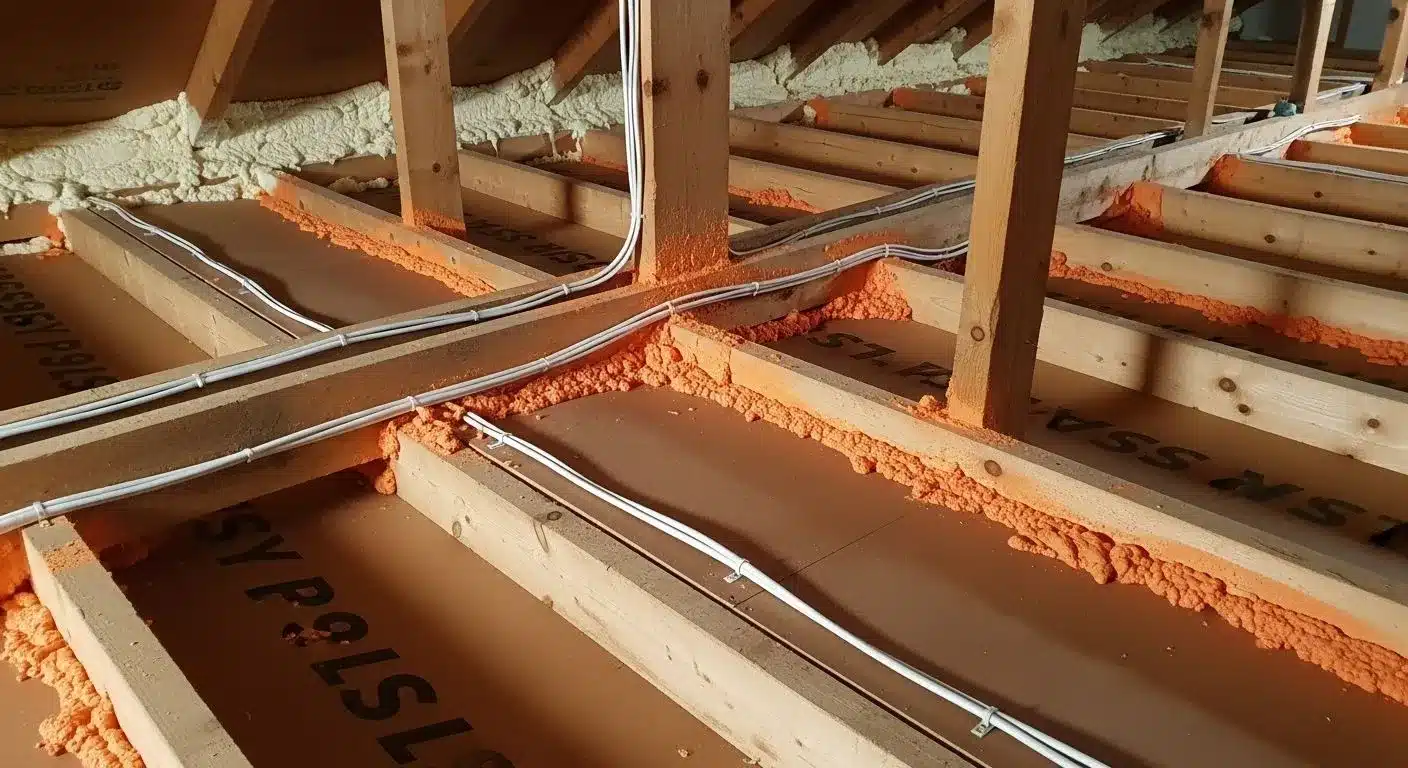
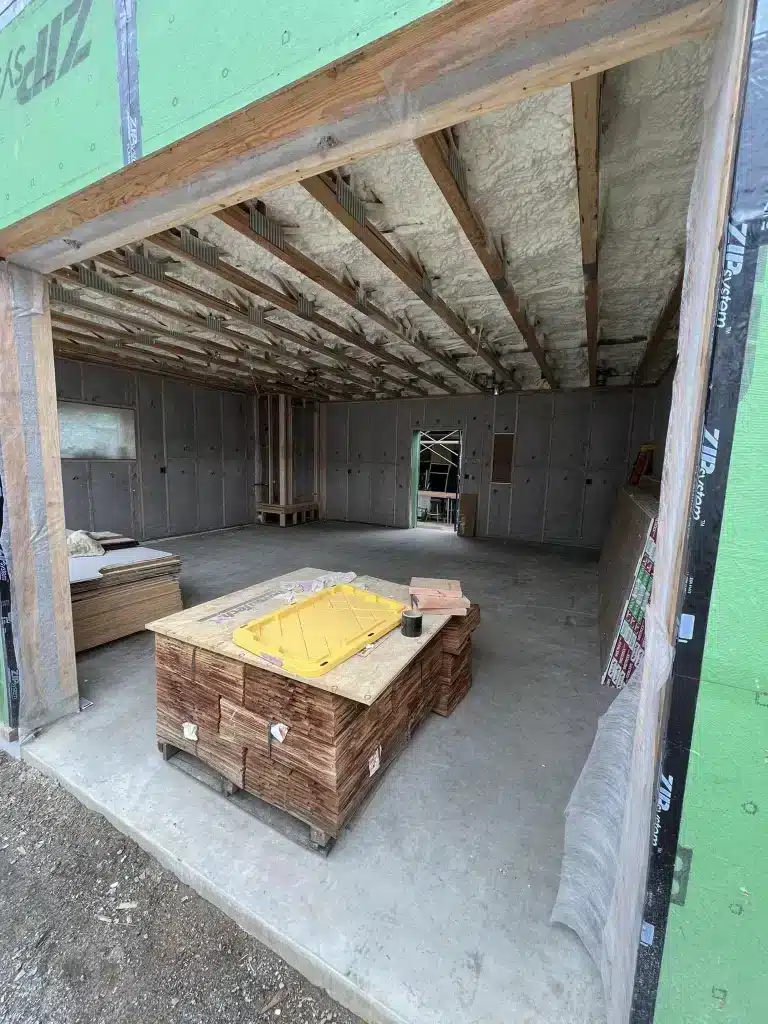
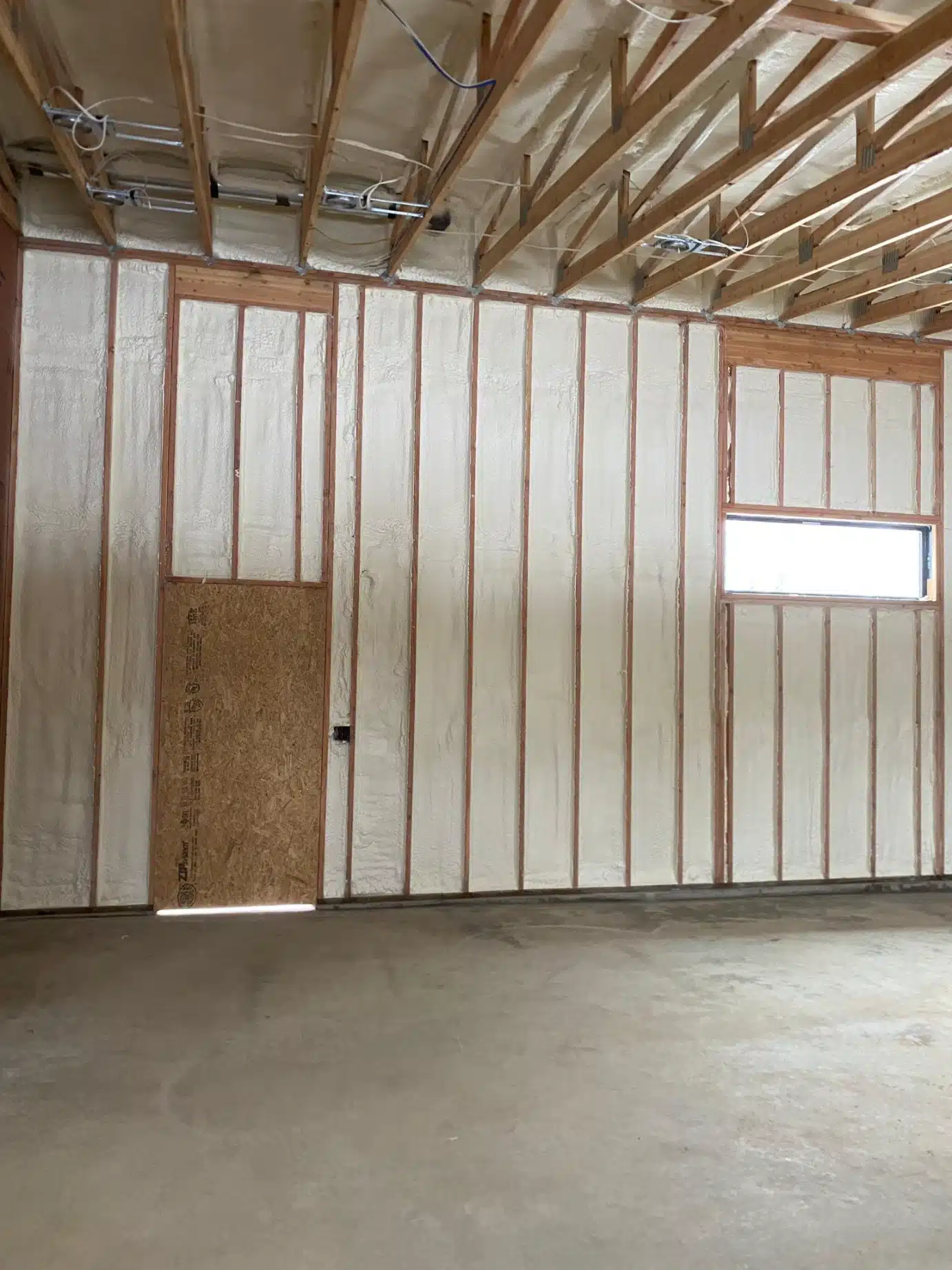
Spray foam insulation reduces persistent drafts because it works as an insulation and an air barrier in a single application.…


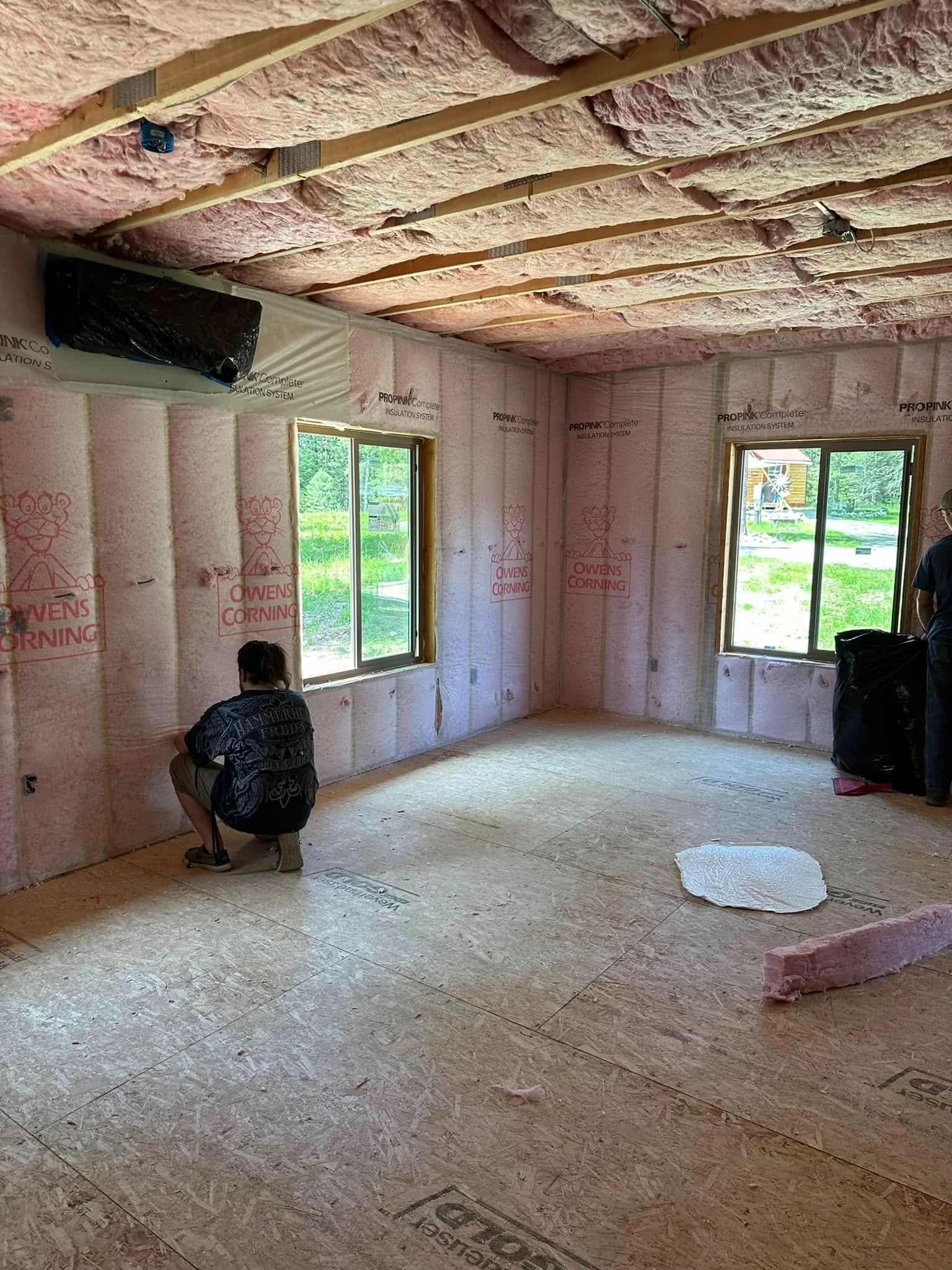
The right insulation for a Sandpoint home depends on the specific area being treated, the available cavity depth, and whether the home is new construction or a retrofit. In Sandpoint’s IECC Climate Zone 6, where winters are long and heating demands are high, the material itself matters less than hitting the correct R-values and pairing insulation with thorough air sealing. Attics generally benefit most from blown-in fiberglass or cellulose to reach R-49, walls perform well with closed cell spray foam or dense-pack cellulose, and crawlspaces are strong candidates for closed cell foam due to moisture control. The combination of proper R-values, correct installation, and air sealing is what actually drives energy performance gains. The Insulation Comprehensive Guide to Materials and Methods provides further insight into selecting suitable materials and installation methods for different areas of the home.
Sandpoint sits in northern Idaho’s IECC Climate Zone 6, one of the colder rated zones in the continental United States. The Idaho Energy Code, based on the 2018 IECC with state-specific amendments, sets baseline requirements that reflect this demanding climate. For Climate Zone 6, the code mandates a minimum of R-49 for ceilings with attics, R-20 (or R-13 plus R-5 continuous insulation) for wood frame walls, R-30 for floors, and R-15/19 for basement and crawlspace walls.
These are minimums, not targets. The Department of Energy’s Insulation Fact Sheet notes that heating and cooling account for 50 to 70 percent of energy use in the average American home. In a Climate Zone 6 winter, the heating portion of that is substantial, which makes exceeding code minimums a practical investment for long-term savings.
Different insulation materials have distinct strengths depending on where they are installed. The table below compares the four primary options across the factors that matter most in northern Idaho.
| Material | R-Value Per Inch | Best Application in CZ 6 | Air Sealing Ability | Moisture Resistance | Notes |
|---|---|---|---|---|---|
| Closed cell spray foam | R-6.0 to R-7.0 | Crawlspaces, rim joists, shallow wall cavities | Provides its own air barrier when applied correctly | Acts as a vapor barrier; resists moisture | Highest R per inch; professional installation required |
| Open cell spray foam | R-3.5 to R-3.7 | Wall cavities, attics (cathedralized) | Provides some air sealing | Vapor permeable; allows drying | Lower cost than closed cell; requires separate vapor barrier in some applications |
| Blown-in fiberglass | R-2.2 to R-4.3 per inch | Attics (open floor), retrofit floor cavities | Requires separate air sealing | Loses R-value when wet; should stay dry | Good R-value per dollar in unconstrained spaces |
| Blown-in cellulose | R-3.2 to R-3.8 per inch | Attics, retrofit wall cavities via dense-pack | Requires separate air sealing | Treated for fire resistance; can settle over time | Fills irregular cavities well; dense-pack method effective for walls |
Not all areas of a home lose heat at the same rate. Prioritizing the right locations makes a measurable difference in comfort and energy bills, especially during Sandpoint’s cold months.
Attics are almost always the first priority. Heat rises, and an under-insulated attic allows heated air to escape directly through the ceiling. For Climate Zone 6, code requires R-49, but many older Sandpoint, ID homes have R-19 or less. Blown-in fiberglass or cellulose is the most practical way to reach R-49 in an existing attic because it fills unevenly spaced joists and covers obstructions. If the attic has a cathedral ceiling with limited cavity depth, closed cell spray foam applied to the underside of the roof decking is an effective alternative. For homeowners exploring insulation in Sandpoint, ID, choosing the right attic insulation approach can help improve energy efficiency and indoor comfort.
Crawlspaces are a common weak point in Sandpoint homes. Many local homes built decades ago have vented crawlspaces with little or no insulation, allowing cold air to infiltrate the floor above. Closed cell spray foam applied to the crawlspace walls and rim joist area addresses both insulation and air sealing in a single step while also providing a moisture barrier. The Idaho Energy Code permits insulating crawlspace walls instead of the floor above when the crawlspace is unvented and the ground is covered with a Class I vapor retarder.
Adding wall insulation to existing wall is more involved but worthwhile if the home currently has little or no cavity insulation. Dense-pack cellulose blown through small holes drilled in the exterior or interior is a proven retrofit method. For new construction and additions, closed cell spray foam or mineral wool batts in the wall cavity deliver strong thermal performance. The code requirement of R-20 cavity or R-13 plus R-5 continuous insulation for walls in Climate Zone 6 means a standard 2×4 cavity alone may not be sufficient, making continuous exterior insulation or higher-density cavity fills a practical choice.
The rim joist area where the floor framing meets the foundation is one of the largest sources of air leakage in most homes. Sealing and insulating this area with rigid foam or spray foam yields outsized returns because it addresses both conduction through the framing and air infiltration at a critical junction.
Insulation without air sealing is like wearing a thick coat with the zipper open. According to ENERGY STAR’s Air Sealing guidance, air leakage accounts for between 25 and 40 percent of the energy used for heating and cooling in a typical residence. Air leaks also carry moisture, which can condense inside wall cavities and attic spaces, leading to mold and structural damage.
Common air leakage paths in Sandpoint homes include gaps around window and door framing, penetrations for plumbing and electrical wiring, the sill plate to foundation joint, recessed light fixtures, and attic access hatches. Sealing these leaks with caulk, spray foam, or weatherstripping before adding insulation ensures the insulation can perform at its rated R-value. The HUD USER guide on insulation and air sealing emphasizes that air sealing should always be completed before insulation is added, because insulation can make air leaks more difficult to access later.
| Home Type | Recommended Priority | Best Insulation Approach | Why |
|---|---|---|---|
| Older retrofit (pre-1990) | Attic first, then crawlspace, then walls | Blown-in attic fill + closed cell crawlspace foam | Biggest gaps in original insulation; most cost-effective sequence |
| 2000s construction | Air sealing + crawlspace/rim joist focus | Air sealing package + spray foam rim joist | May meet code but often lacks air sealing detail |
| New construction / addition | Whole envelope, exceed code | Closed cell walls + blown attic + continuous exterior insulation | Locks in performance from day one; easier to do during build |
| Crawlspace-dominant homes | Crawlspace encapsulation | Closed cell spray foam on walls + vapor retarder on ground | Addresses infiltration, frozen pipes, and floor comfort simultaneously |
Selkirk Energy Solutions serves homeowners throughout the Sandpoint area with insulation and air sealing services tailored to Climate Zone 6 requirements. Our team evaluates each home individually to determine where energy is being lost and which insulation approach will deliver the strongest results for that specific property. Whether your project involves a single crawlspace, a full attic upgrade, or comprehensive air sealing throughout the home, we provide detailed assessments and clear recommendations before any work begins. Reach us at [email protected] or call (208) 295-9780.
Request a Quote | Schedule an Energy Assessment
Idaho’s energy code requires a minimum of R-49 for attics in Climate Zone 6, which covers the Sandpoint area.
Spray foam provides higher R-value per inch and built-in air sealing, which makes it a strong choice for shallow cavities and moisture-prone areas, but blown-in options deliver better value per R in open spaces like attics.
Air leaks allow heated air to bypass insulation entirely, and the EPA estimates air leakage accounts for 25 to 40 percent of heating and cooling energy loss even in insulated homes.
Insulating crawlspace walls with spray foam and installing a ground vapor barrier is often the better approach for Climate Zone 6 homes because it addresses air infiltration, moisture, and frozen pipe risk in one step.
If your home was built before modern energy codes, has uneven temperatures between rooms, high heating bills, or visible insulation in the attic that is below the top of the joists, an insulation assessment can identify specific gaps.