How Can Spray Foam Insulation Help Reduce Persistent Drafts in Garwood, ID Homes?
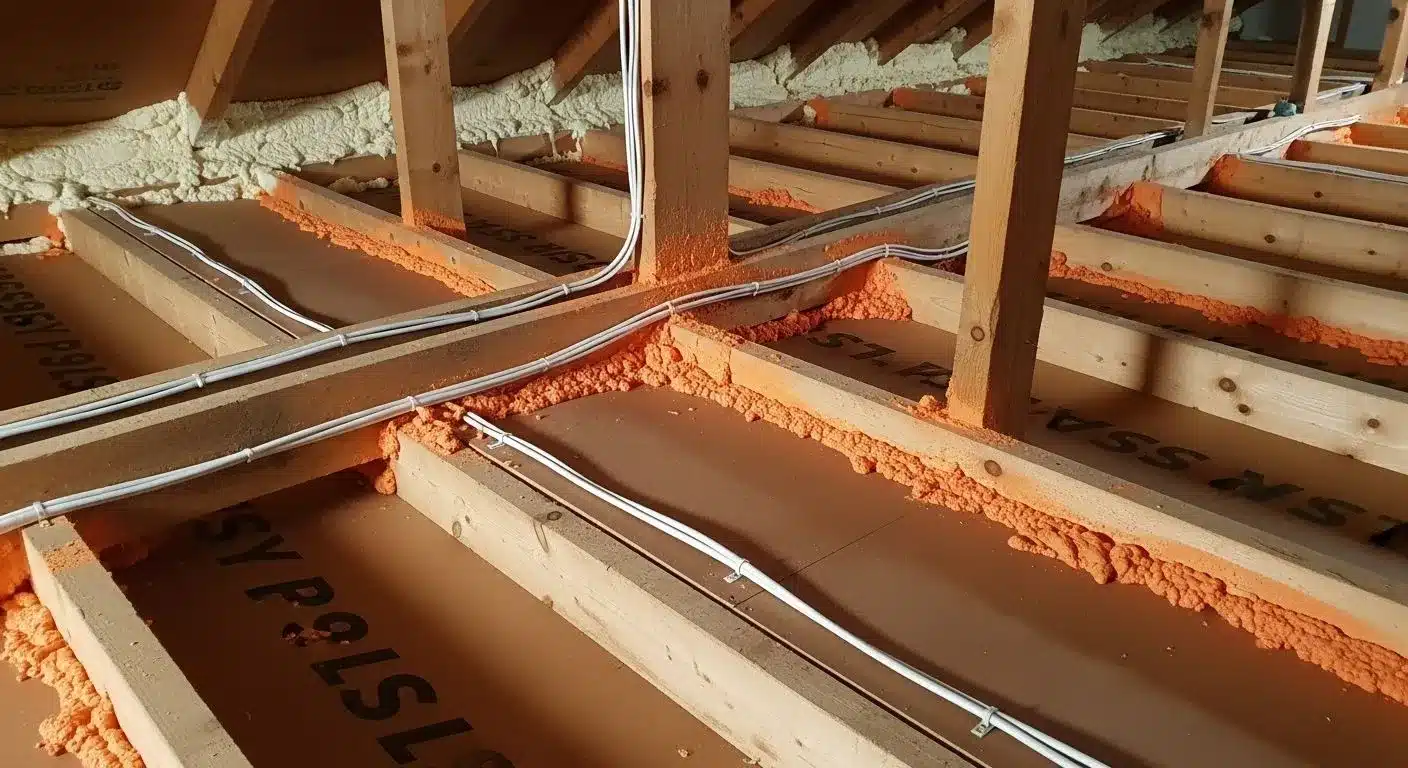
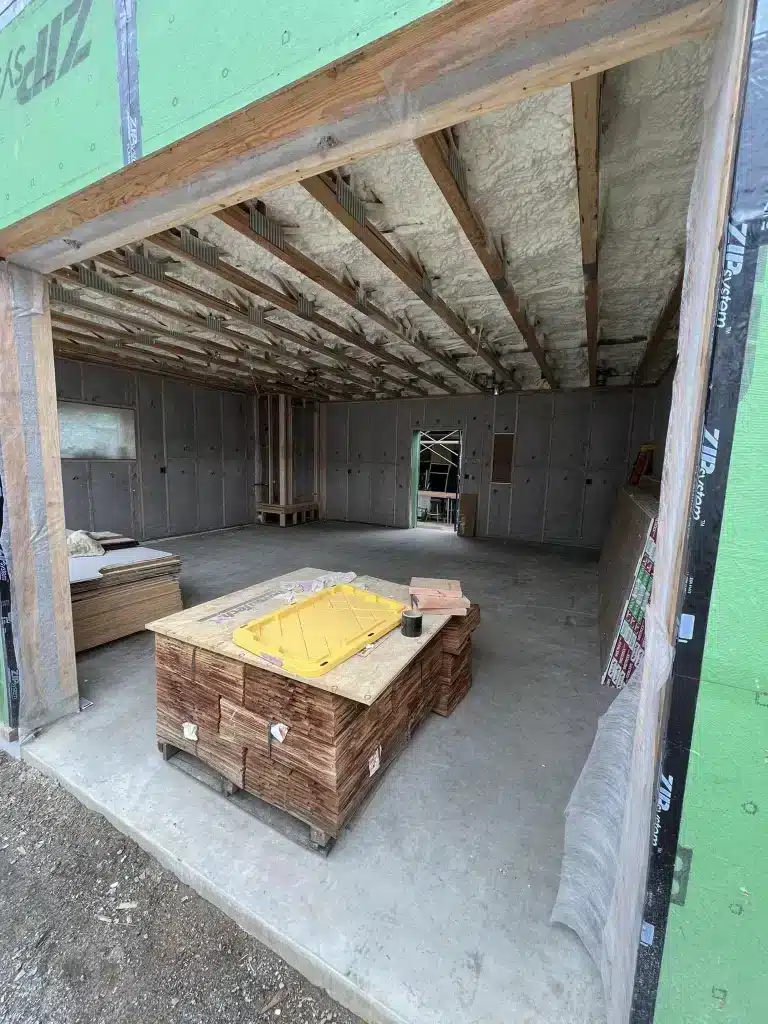
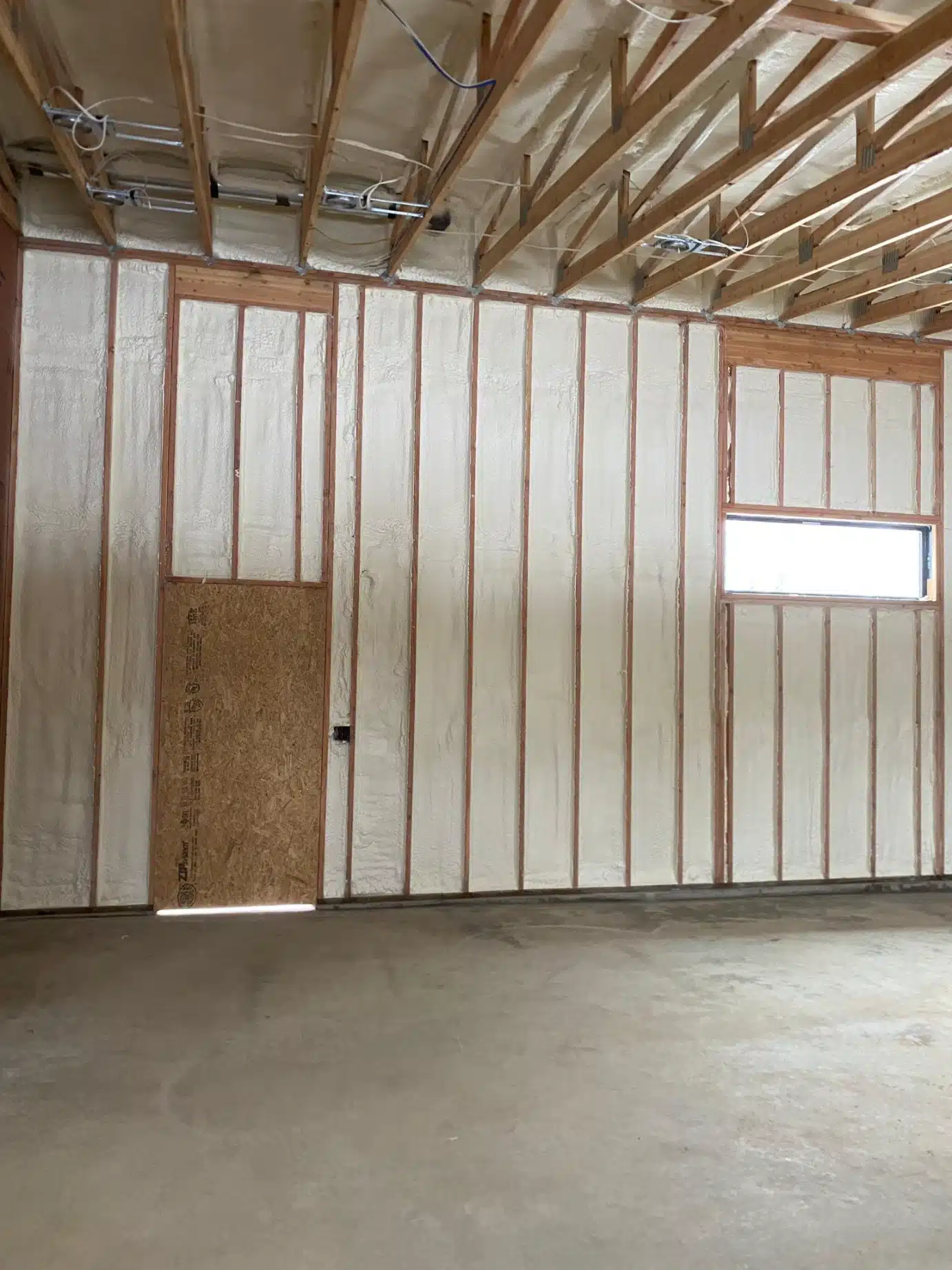
Spray foam insulation reduces persistent drafts because it works as an insulation and an air barrier in a single application.…


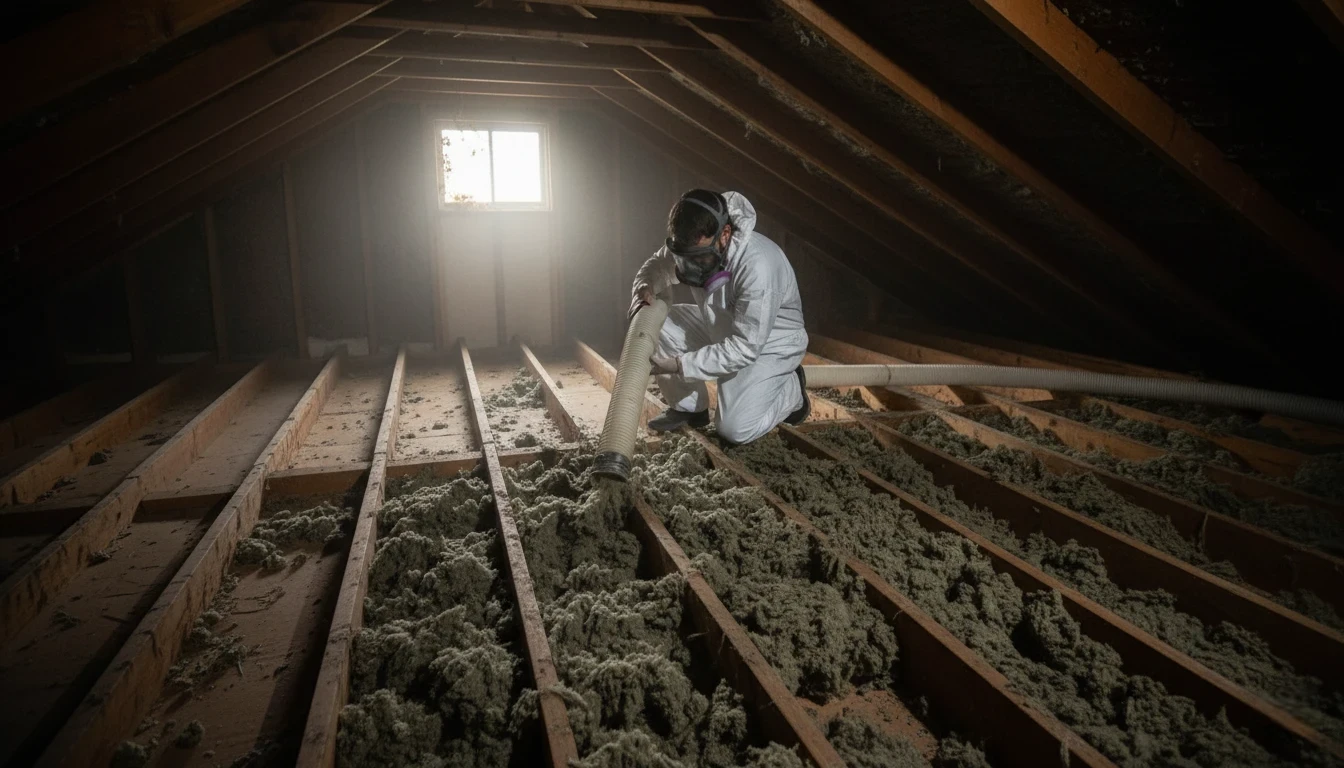
For Rathdrum homeowners, keeping outdated insulation batts in place may seem like a minor issue, but the hidden dangers can significantly impact your family’s health, your home’s energy efficiency, and your long-term financial investment. Old insulation accumulates dust, allergens, rodent contamination, and mold over decades of use, creating an unhealthy indoor environment that worsens over time. Professional insulation removal addresses these hazards directly, giving your home a fresh start with modern materials that perform better and last longer. The choice between removal and retention affects not just your comfort, but the air quality your family breathes every day.
Old insulation batts act as a massive filter in your home, capturing everything floating through your living spaces. Over 10, 20, or 30 years of service, these materials accumulate substances that pose real health risks to your household. Dust and allergens settle into fiberglass fibers and never fully release, even when you clean your living areas. Rodent droppings, insect debris, and animal nesting materials commonly contaminate attics and wall cavities, introducing bacteria and parasites into your living environment. According to the EPA’s Guide to Indoor Air Quality, biological contaminants like mold, bacteria, and pest-related debris trigger allergic reactions, respiratory problems, and chronic health conditions.
Mold growth presents another serious concern for aging insulation. When moisture penetrates your insulation through roof leaks, plumbing issues, or humidity problems, the material becomes a breeding ground for mold spores. Mold-contaminated insulation releases spores continuously into your home’s air, causing symptoms ranging from sneezing and watery eyes to severe asthma attacks. The Consumer Product Safety Commission notes that biological contaminants, including mold, trigger allergic reactions, asthma episodes, and respiratory infections that can persist until the source is eliminated, making timely insulation removal services an important step in restoring healthy indoor air quality.
For families in Rathdrum with children, elderly members, or anyone with respiratory conditions, these contaminated batts create ongoing exposure to health hazards. You cannot effectively clean insulation that has been contaminated. The only truly safe solution is complete removal.
Industry analysis further details the severity of health risks associated with trapped allergens and pest infestations in old fiberglass materials. Fiberglass Insulation – Old Insulation Removal Health Benefits
Beyond health concerns, aging insulation batts lose their effectiveness steadily over time. Fiberglass materials compress, shift, and lose their loft as years pass. Gaps form where batts once fit tightly against joists and studs. Thermal bridging occurs through settlement and material degradation. These issues combine to dramatically reduce your insulation’s ability to resist heat flow, meaning your heating system works harder in winter and your cooling system struggles more in summer.
Research from the Department of Energy shows that homeowners can save an average of 15% on heating and cooling costs through proper insulation. However, that savings potential only applies when insulation performs at its rated capacity. Old batts that have lost 30% or more of their original R-value cannot deliver anywhere near those savings. In fact, you may be paying significantly higher utility bills than necessary while your old insulation provides a fraction of its original protection.
The energy loss compounds annually. Each winter, your furnace runs longer cycles to maintain comfortable temperatures. Each summer, your air conditioner works overtime against heat gain through degraded walls and ceilings. The money you spend on utility bills due to poor insulation performance adds up to far more than the cost of professional removal and replacement over just a few years.
Some homeowners consider removing old insulation themselves to save money, but this approach introduces significant problems. Disturbed insulation releases fibers, dust, and contaminants directly into your living spaces without proper containment equipment. Without professional-grade negative air machines and sealed removal processes, you spread contamination throughout your home rather than eliminating it. Additionally, handling fiberglass insulation without proper respiratory protection exposes you to airborne glass fibers that irritate lungs and skin, which is why understanding proper insulation removal safety practices is essential before attempting any DIY work.
Professional insulation removal services bring specialized equipment that contains and controls hazardous materials during the entire process. Our technicians use industrial-grade vacuum systems, negative air pressure setups, and sealed containment to capture all debris at the source. This prevents contamination from spreading to your living areas and ensures complete removal of all contaminated material. Proper disposal follows environmental regulations, keeping hazardous materials out of local landfills and groundwater.
The efficiency difference is substantial. What might take a homeowner several exhausting weekends of work can be completed professionally in a single day, with results that are genuinely clean rather than superficially addressed. More importantly, professional removal includes a thorough inspection of the cavity spaces, identification of any underlying issues like water damage or pest infestations, and proper preparation for new insulation installation.
Professional insulation removal follows a systematic approach that ensures safety and quality results. The process begins with an assessment of your insulation condition, identification of contamination type and severity, and inspection for underlying problems that need addressing before new installation.
Containment setup comes next, where technicians seal off work areas from living spaces using heavy-duty plastic sheeting and negative air machines. This prevents any dust or fibers from migrating into your home during removal. Then comes the actual removal phase, using industrial equipment to extract all old insulation, debris, and contamination from wall cavities, attics, and crawl spaces.
After removal, a thorough cleaning and sanitization of the cavity spaces occurs. Any mold discovered during removal receives appropriate treatment. Pest contamination is addressed, and entry points are identified for sealing. Finally, the space is prepared for new insulation installation with proper air sealing and moisture control measures in place.
Only after this complete process can new insulation perform at its rated capacity. Installing new batts or spray foam over contaminated materials only traps problems in place, creating issues that will resurface within years. A clean slate approach delivers lasting results that protect your home and family for decades.
| Factor | Keeping Old Batts | Professional Removal |
|---|---|---|
| Health Impact | Ongoing exposure to allergens, mold, and rodent contamination | Complete elimination of health hazards |
| Energy Performance | Reduced R-value, increased utility costs | Restored thermal resistance, maximum efficiency |
| Indoor Air Quality | Continuous degradation from trapped contaminants | Clean air after remediation |
| Long-term Costs | Higher heating/cooling bills, potential health expenses | One-time investment with lasting returns |
| Installation Quality | New insulation over contamination performs poorly | Optimal conditions for new material performance |
Professional insulation removal requires an upfront investment, but the long-term financial picture strongly favors removal over retention. Consider the annual cost of heating and cooling a home with degraded insulation. Rathdrum winters require substantial heating, and summers, while milder than some regions, still demand effective cooling. Each month of elevated utility bills represents money lost to inefficiency.
Health-related costs also factor into the equation. Allergy medications, asthma treatments, doctor visits for respiratory issues, and reduced quality of life all connect to poor indoor air quality. Children who suffer from allergy and asthma symptoms triggered by contaminated insulation miss school days and struggle with concentration. Elderly family members face an increased risk of respiratory infections and complications.
The investment in professional removal and quality new insulation typically pays for itself through energy savings within five to eight years, depending on home size and usage patterns. Beyond that break-even point, every dollar saved on utility bills represents pure financial benefit. Combined with improved health outcomes and family comfort, professional removal delivers clear advantages over the false economy of keeping compromised old batts.
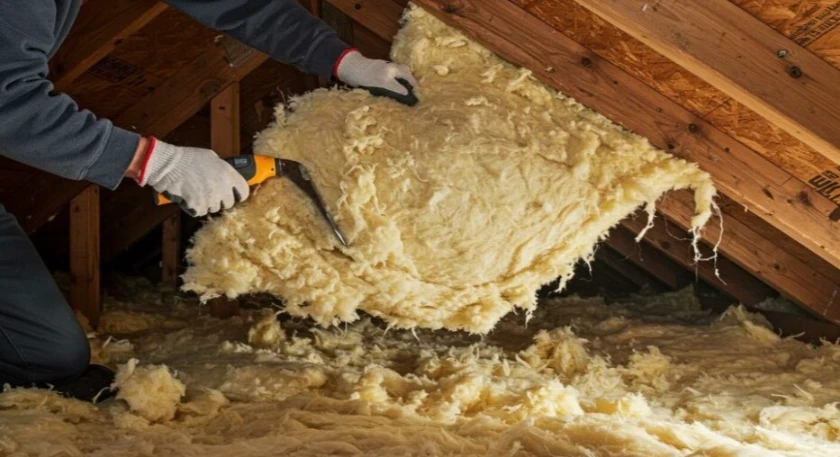
Certain indicators suggest that your home’s insulation has crossed the line from acceptable to problematic. Visible contamination, including rodent droppings, nesting materials, or animal entry points in your attic, signals immediate removal needs. Musty odors persisting after cleaning suggest mold growth within insulation materials. Allergy and asthma symptoms that worsen when family members spend time at home often trace back to indoor air quality issues from contaminated insulation.
Settlement visible in batts, where materials have compressed or shifted from their original positions, indicates reduced thermal performance. Utility bills that climb faster than expected despite normal usage patterns point to insulation failure. Water stains on ceilings or walls suggest moisture has penetrated your insulation envelope, creating conditions for mold growth.
A contractor guide provides further insight into the warning signs and contamination indicators that necessitate immediate insulation removal. Prestige Insulation Solutions – Is Old Insulation Dangerous
If your home was built before 1990, your insulation likely contains materials that would not meet today’s standards for performance and safety. Older homes frequently contain insulation mixed with hazardous materials from previous renovations or repairs. In these cases, removal and replacement provide the only reliable path to a healthy, efficient home.
The decision between keeping old insulation and investing in professional removal ultimately comes down to priorities. If you value your family’s health, want to reduce energy costs, and prefer a comfortable home that performs efficiently year after year, removal represents the clear choice. The temporary inconvenience and investment of removal yields long-term benefits that compound throughout your ownership of the home.
Retaining old batts means accepting ongoing health risks, steadily increasing utility costs, and a home that never performs at its potential. The problems do not improve with time. They only worsen as materials continue to degrade and contaminants accumulate. Taking action now prevents further damage and restores your home to healthy, efficient operation.
Selkirk Energy Solutions provides professional insulation removal services throughout Rathdrum and the greater North Idaho region. Our experienced technicians handle every project with careful attention to health and safety, ensuring complete removal of contaminated materials and proper preparation for new insulation installation. We understand Rathdrum’s climate challenges and recommend solutions tailored to local conditions.
Contact us today for a comprehensive assessment of your home’s insulation needs. Our team will evaluate your current insulation condition, identify contamination or performance issues, and provide a detailed proposal for professional removal and replacement. Let us help you create a healthier, more efficient home for your family.
Request a Quote: [email protected] | (208) 295-9780
Visible signs of contamination include rodent droppings, nesting materials, water stains, or mold growth. Musty odors, allergy symptoms that worsen at home, and visible compression or settling of batts also indicate problems. A professional assessment provides definitive guidance on whether removal is necessary.
Adding new insulation over contaminated or degraded materials only traps problems in place. Old batts with reduced R-value and accumulated contaminants will continue affecting your home’s air quality and performance regardless of what you add on top. Complete removal ensures optimal conditions for new insulation.
Project duration depends on the size of your home and the extent of contamination. Most residential projects are completed within one to three days. Our team works efficiently while maintaining strict containment and safety protocols throughout the process.
Professional removal includes proper disposal following environmental regulations. Contaminated materials go to licensed facilities designed to handle hazardous waste safely. We handle all logistics, so you do not need to worry about disposal procedures.
We use containment measures to prevent dust and debris from entering living areas. Most families can remain in the home during removal, though we may recommend temporary relocation for those with severe respiratory sensitivities. We coordinate schedules to minimize disruption to your daily routine.