How Can Spray Foam Insulation Help Reduce Persistent Drafts in Garwood, ID Homes?
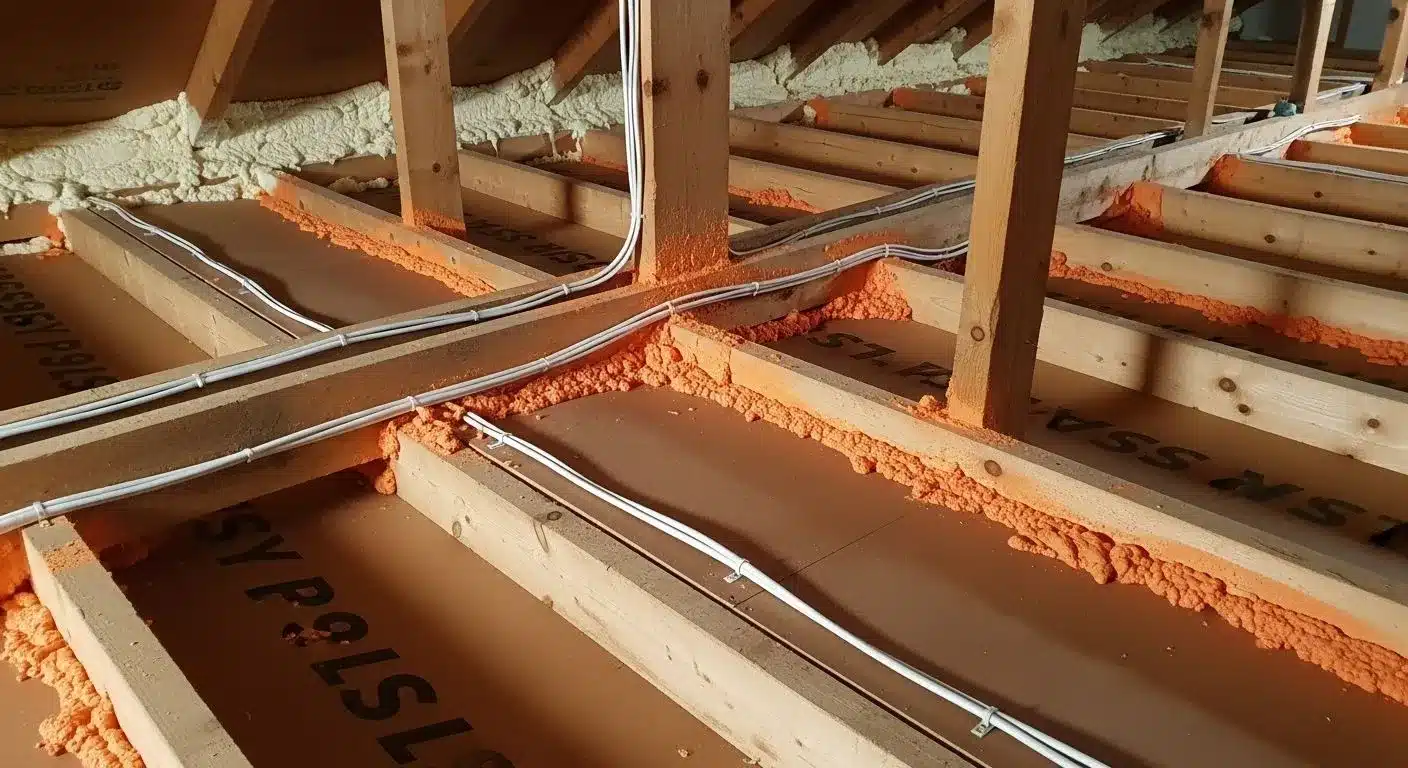
Spray foam insulation reduces persistent drafts because it works as an insulation and an air barrier in a single application.…


Open-cell spray foam insulation offers significant advantages over traditional insulation materials like fiberglass and cellulose. While fiberglass batts cost less upfront, open-cell spray foam delivers superior air sealing, higher long-term energy savings, and better sound attenuation. Open-cell foam expands to fill cavities completely, eliminating gaps that traditional batt insulation cannot address. For contractors and property owners looking at total cost of ownership rather than just the initial expense, open-cell spray foam typically provides better return on investment through reduced utility bills, longer lifespan, and improved indoor comfort.
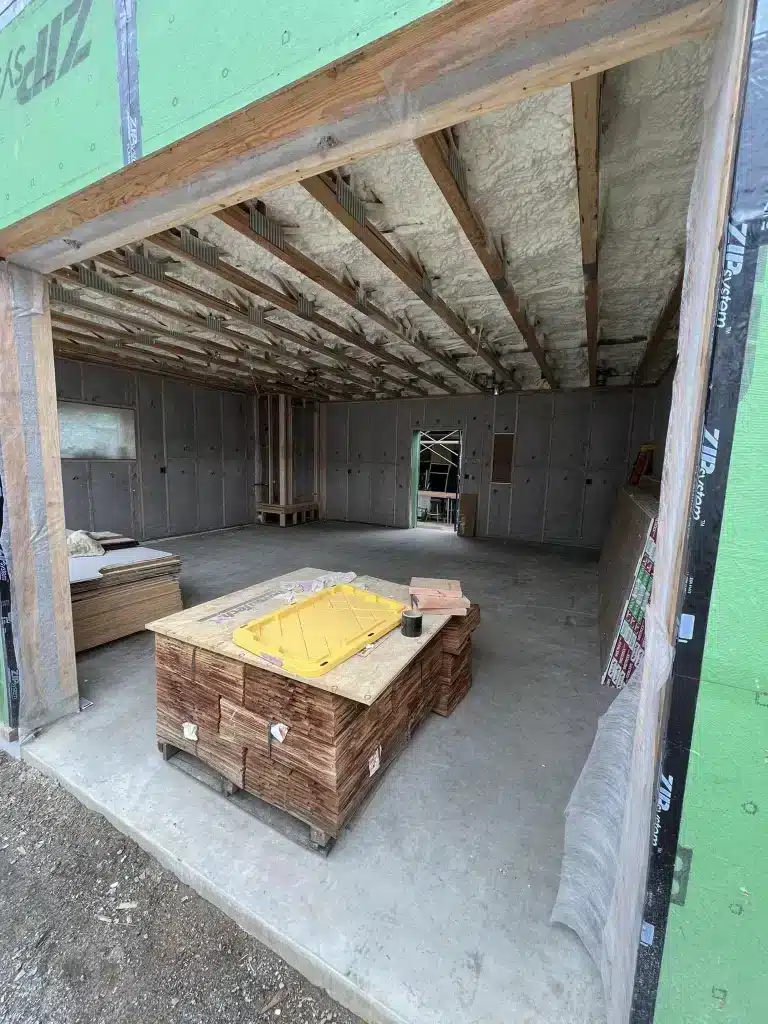
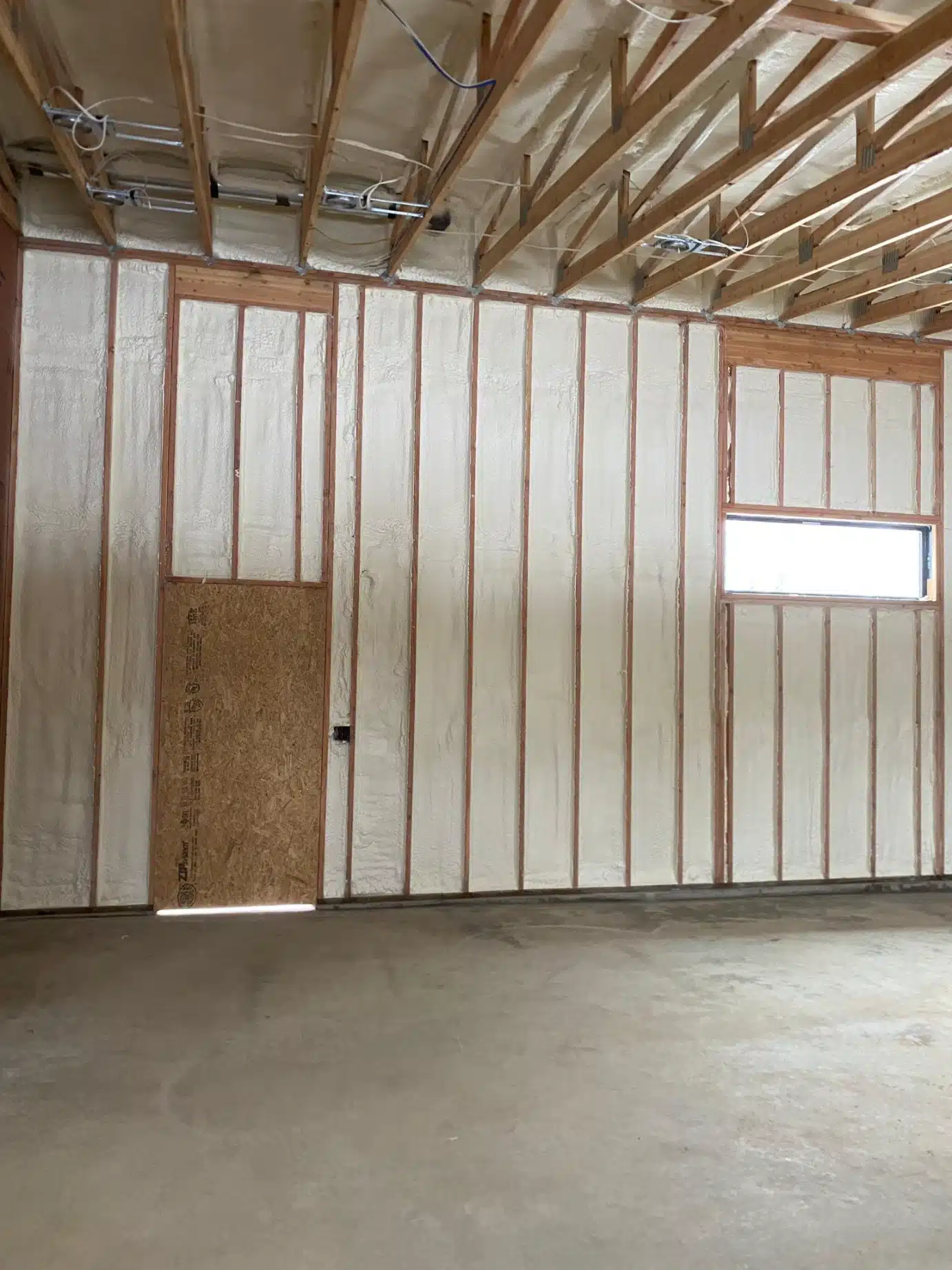
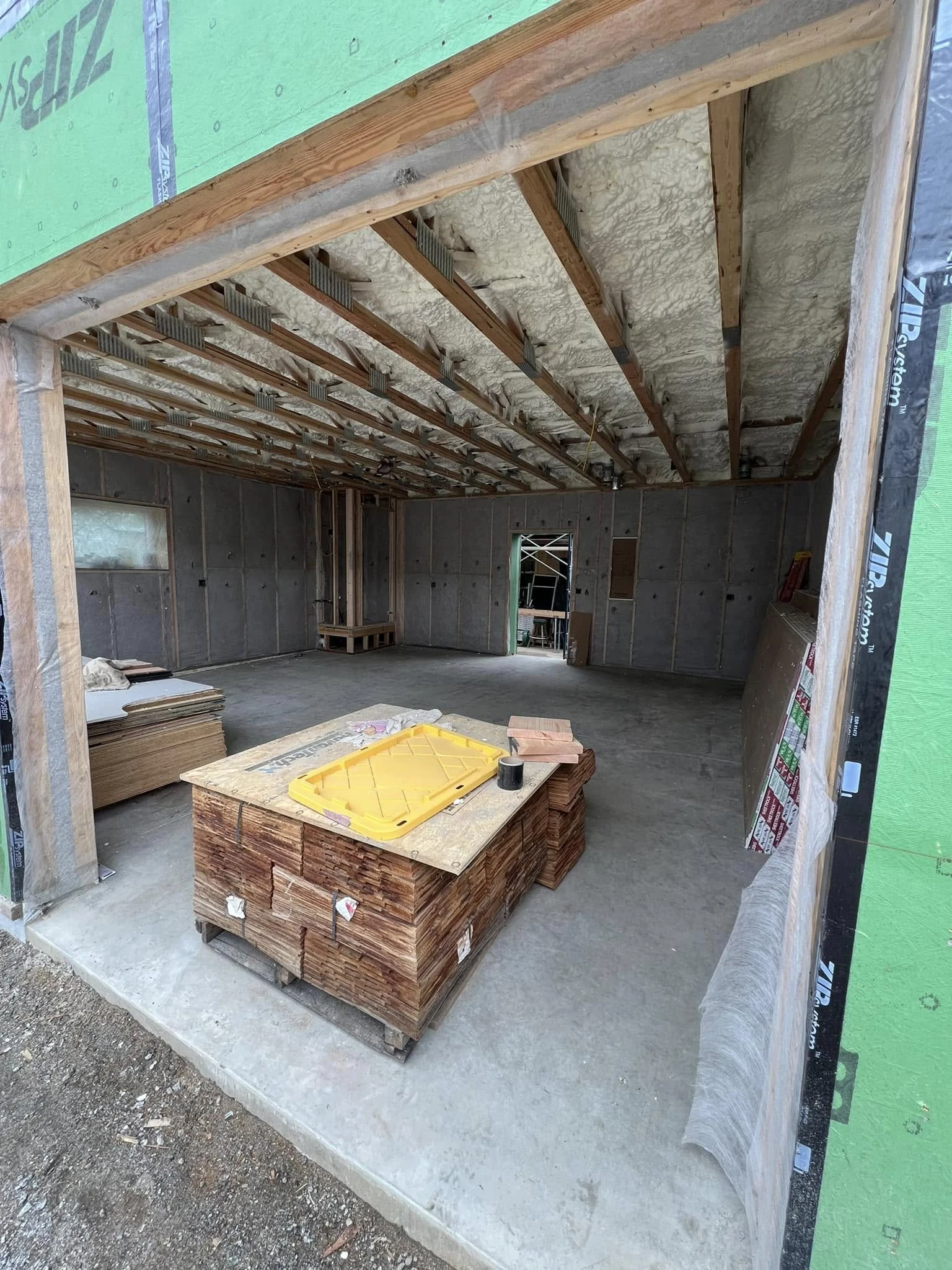
Open-cell spray foam is a two-component mixture that expands up to 100 times its liquid volume when applied. The foam fills wall cavities, attic spaces, and floor assemblies, creating a continuous insulation layer that adheres directly to framing members. Unlike closed-cell foam, open-cell foam contains air pockets within its structure, giving it a softer, more flexible composition. This open-cell structure provides excellent sound absorption while still delivering meaningful thermal resistance, offering homeowners several open-cell spray foam advantages for residential insulation projects.
The application process requires professional equipment and certified installers. The foam is sprayed into cavities as a liquid that cures within seconds, expanding to fill every gap and void. This ability to conform to irregular shapes makes it ideal for homes with non-standard construction or existing utilities running through walls.
Fiberglass batts and rolls consist of fine glass fibers that trap air between strands. The product comes pre-cut to standard dimensions for stud and joist spacing. Installation requires careful fitting around obstacles and precise cutting to avoid gaps. Cellulose insulation uses treated paper or plant fibers blown into cavities at specific densities.
Traditional insulation relies entirely on the air still within its fibers for thermal resistance. Any compression, moisture intrusion, or settling reduces effectiveness. The product does not adhere to surfaces, leaving potential gaps where walls or floors shift over time.
Open-cell spray foam provides a consistent R-value throughout the insulated assembly. The Department of Energy notes that spray foam can achieve higher R-values than traditional insulation for the same thickness because it eliminates thermal bridging through studs. Fiberglass batts installed between studs create a thermal bridge where wood conducts heat around the insulation.
The U.S. Department of Energy publication on spray foam insulation confirms that open-cell SPF provides approximately R-3.6 per inch with excellent air-sealing characteristics. Fiberglass batts placed in the same wall cavity may show lower effective R-values due to gaps, compression at edges, and thermal bridging.
Air leakage accounts for significant energy loss in most buildings. Open-cell spray foam eliminates this problem by creating an airtight seal against wood framing, pipes, and wiring. The EPA Energy Star program estimates that air sealing can save homeowners an average of 15% on heating and cooling costs, or 11% on total energy costs annually.
Fiberglass insulation does not stop air movement. Wind pressure can push conditioned air through batt insulation, forcing HVAC systems to work harder. Builders must add separate housewrap, caulking, and vapor barriers to achieve comparable air sealing, adding to material and labor costs.
Open-cell spray foam allows moisture vapor to pass through its structure, reducing the risk of mold and rot in wall cavities. This breathable characteristic makes it suitable for many climate zones without additional vapor barrier installation in certain applications.
Traditional insulation can trap moisture when vapor barriers fail or are installed incorrectly. Wet insulation loses most of its R-value and creates conditions for mold growth. Cellulose is particularly susceptible to moisture damage, requiring careful attention to vapor barriers and ventilation.
| Factor | Open-Cell Spray Foam | Fiberglass Batt | Cellulose |
|---|---|---|---|
| Material cost per sq ft | $0.60 – $1.60 | $0.30 – $1.50 | $0.50 – $1.00 |
| Installation labor | Professional required | DIY possible | Professional required |
| Air sealing included | Yes | No (extra cost) | No (extra cost) |
| Vapor barrier needed | Sometimes | Yes | Yes |
| Total installed cost | $1.50 – $3.50 | $1.00 – $2.50 | $1.50 – $3.00 |
While open-cell spray foam requires professional installation, the total installed cost often compares favorably when accounting for air sealing materials and labor. Building labs research indicates spray foam lasts 80+ years, while cellulose typically needs replacement within 20-30 years. This difference significantly impacts lifetime cost calculations.
Contractors should present the total cost of ownership to clients rather than the upfront material cost alone. Over 30 years, spray foam may prove less expensive than replacing cellulose insulation twice while also paying for separate air sealing.
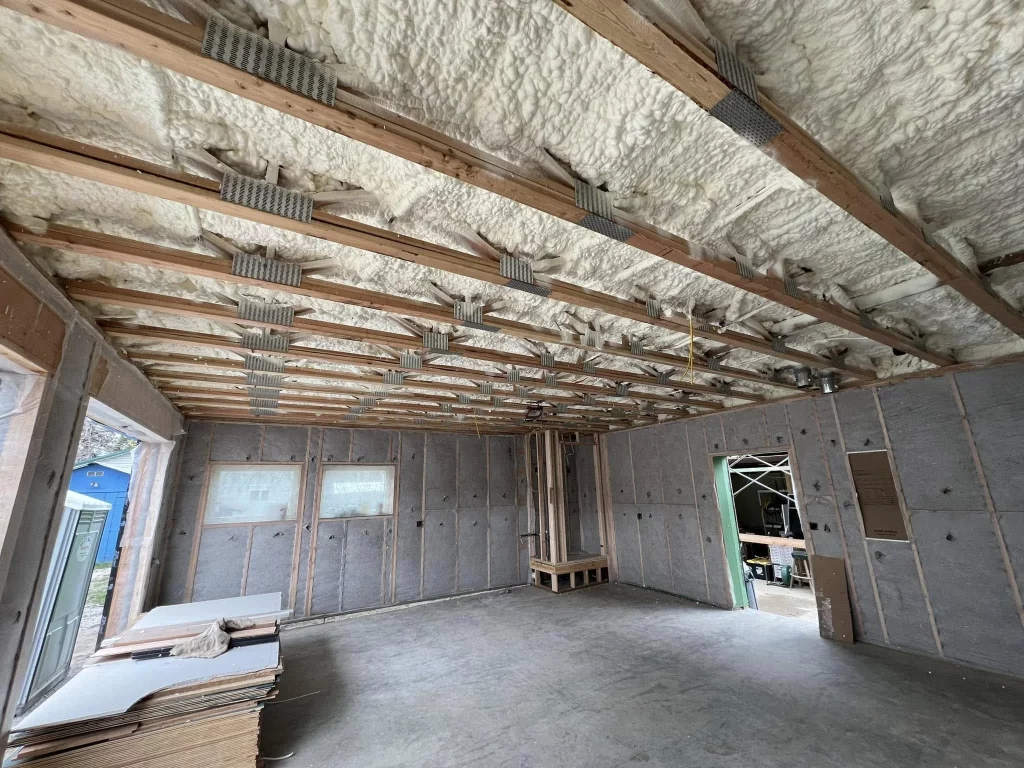
A 2,400 square foot home in Montana required wall insulation. Open-cell spray foam at 5.5 inches provided R-19 in standard 2×6 walls while eliminating thermal bridging. The complete air seal reduced heating bills by 28% compared to the previous home with fiberglass insulation. Total installation cost was $4,200, with estimated annual savings of $840.
A Phoenix homeowner with $275 monthly cooling bills upgraded from R-30 blown cellulose to R-38 open-cell spray foam. Air sealing around can lights and attic access eliminated major leak paths. Cooling costs dropped to $165 per month, a 40% reduction. The payback period was approximately 4.5 years.
A recording studio in Seattle used open-cell spray foam in interior walls between control rooms. The foam reduced sound transmission by 15 decibels compared to uninsulated walls and 8 decibels compared to fiberglass batts. Studio clients reported significantly improved recording quality due to reduced noise bleed.
An Idaho welding shop used open-cell spray foam on interior roof surfaces of a 5,000 square foot metal building. The foam eliminated condensation that had been causing rust problems. Worker comfort improved, and heating costs dropped 35%. The spray foam also reduced outside noise from nearby highway traffic.
A 1920s craftsman home in Boise had lath and plaster walls, impossible to insulate conventionally without major interior demolition. Open-cell spray foam was blown into exterior walls through small holes, expanding to fill cavities without damaging historic plaster. Energy bills dropped 22% while preserving the home’s architectural character.
Building Age and Construction Type Older homes with irregular framing or non-standard stud spacing benefit most from spray foam’s ability to conform to existing conditions. New construction with consistent dimensions may use either product effectively.
Climate Zone Cold climates see faster payback from spray foam due to reduced heating costs. Hot-humid climates require attention to vapor barrier placement with either product. Mixed climates benefit from spray foam’s air sealing in both seasons.
Budget and Financing Projects with limited upfront capital may favor fiberglass despite higher lifetime costs. Many utility companies offer rebates for spray foam installation that close the upfront cost gap.
Project Timeline Spray foam installation is faster on large projects, but requires scheduling professional crews. Fiberglass allows immediate work but demands more labor hours.
Long-Term Ownership Owner-occupied properties benefit more from spray foam’s long-term savings than rental properties with shorter holding periods. Commercial buildings with 30+ year ownership horizons see excellent spray foam returns.
Selkirk Energy Solutions brings decades of experience helping contractors and property owners select the right insulation strategy for their specific needs. Our team assesses your building envelope, climate conditions, and budget to recommend solutions that maximize your return on investment. We provide detailed cost estimates and energy modeling to help you make informed decisions.
Ready to explore how open-cell spray foam can improve your project? Contact our specialists for a comprehensive assessment.
Call us at (208) 295-9780 or email [email protected] to discuss your insulation needs with our expert team.
Open-cell spray foam maintains its performance for 80 to 100 years when properly installed, according to building durability research. Fiberglass lasts similarly if kept dry and uncompressed, but cellulose typically requires replacement within 20-30 years. Spray foam does not settle, sag, or absorb moisture, eliminating the degradation issues that shorten traditional insulation’s lifespan.
Yes, open-cell spray foam can be injected into existing wall cavities through small holes drilled in the siding or interior wall. The foam expands to fill cavities, making it ideal for retrofit projects where preserving interior finishes matters. Closed-cell foam is too dense for this application and requires different installation methods.
Open-cell spray foam is vapor-permeable and does not require a separate vapor barrier in most climate zones. This breathable characteristic reduces moisture accumulation risks compared to closed-cell foam or non-permeable barriers. However, local building codes vary, and certain applications may still require additional moisture control measures.
Open-cell spray foam provides R-3.5 to R-3.8 per inch of thickness. A standard 2×4 wall cavity filled with spray foam achieves approximately R-14, while a 2×6 wall reaches R-19 to R-22, depending on thickness. This compares favorably to fiberglass batts installed in the same cavities, particularly when accounting for spray foam’s ability to eliminate thermal bridging and air leakage.
Payback periods vary by climate, energy costs, and previous insulation levels. Most projects see payback within 5 to 10 years based on energy savings alone. Properties in extreme climates or with poor existing insulation often achieve payback in 3 to 5 years. Combined with utility rebates and increased property values, open-cell spray foam frequently provides positive cash flow from day one.