How Can Spray Foam Insulation Help Reduce Persistent Drafts in Garwood, ID Homes?
Spray foam insulation reduces persistent drafts because it works as an insulation and an air barrier in a single application.…


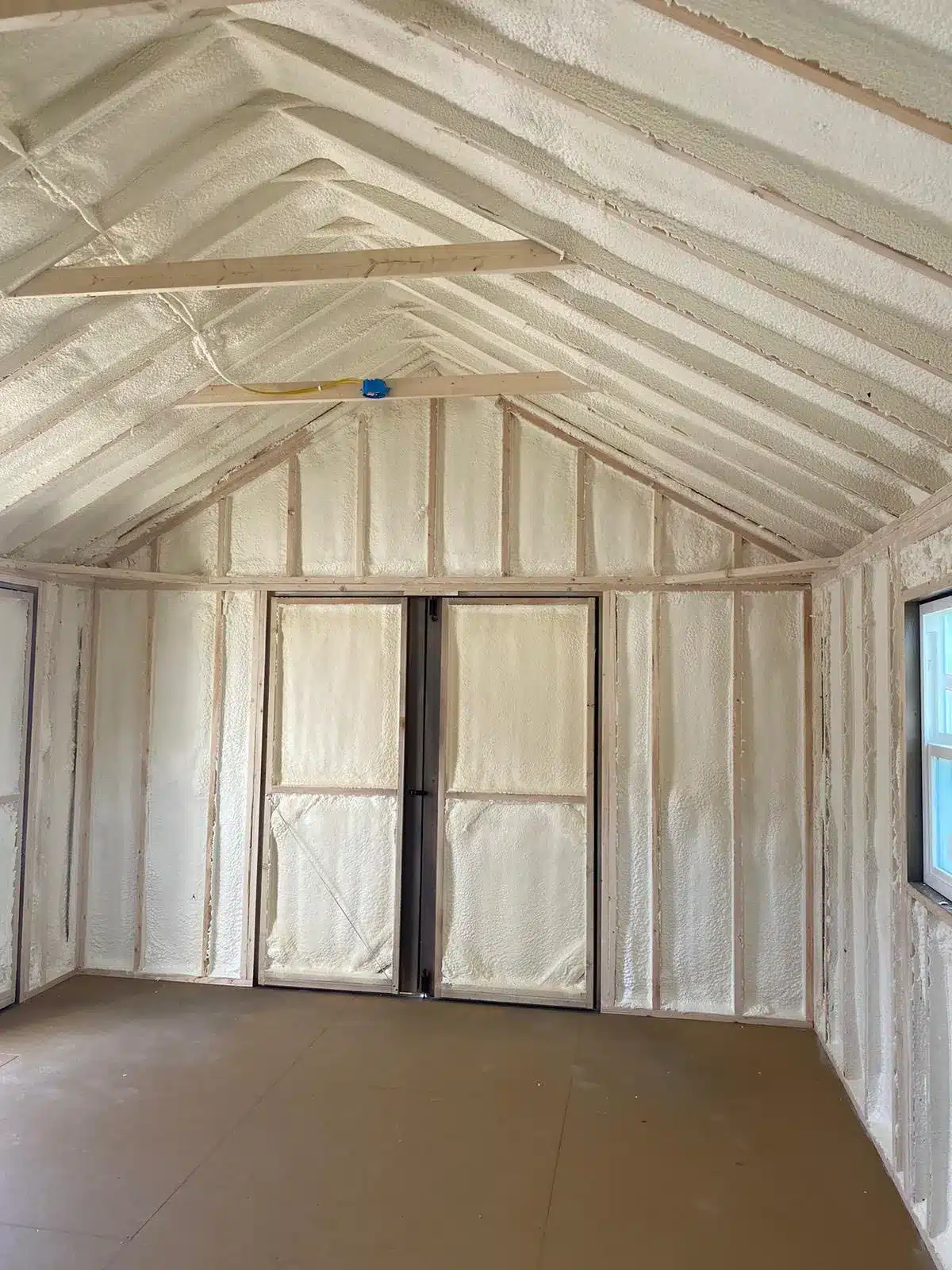
Yes. Spray foam insulation is one of the most effective materials available for sealing hard-to-reach areas and stopping unwanted air leakage in Ponderay, ID homes, because it starts as a liquid and expands up to 30 to 60 times its applied volume, filling irregular gaps, joints, and cavities that batts and rigid boards simply cannot reach. That matters in North Idaho, where long heating seasons make every hidden leak a year-round expense. According to EPA estimates published by ENERGY STAR, homeowners save an average of 15% on heating and cooling costs (about 11% on total energy costs) by air sealing and adding insulation in attics, floors over crawl spaces, and basements. the ultimate guide to spray foam insulation explains how the right approach depends on the space: open cell foam suits interior wall cavities, closed cell foam handles moisture-exposed crawlspaces and rim joists, and targeted air sealing addresses the specific penetrations where air moves most. Below, we break down where leaks hide in Ponderay homes, which foam type fits each hard-to-reach area, what projects typically cost, and how to plan a sealing strategy that pays for itself.
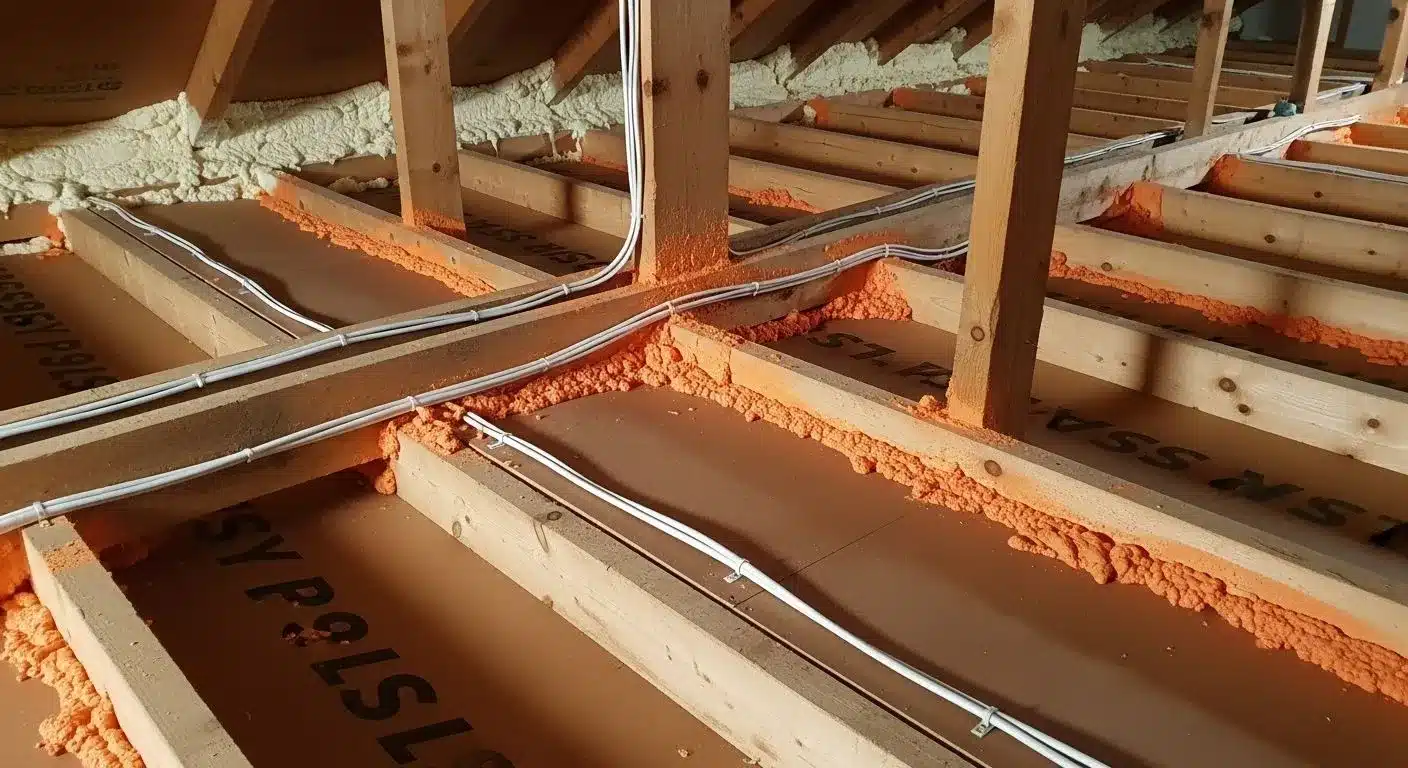
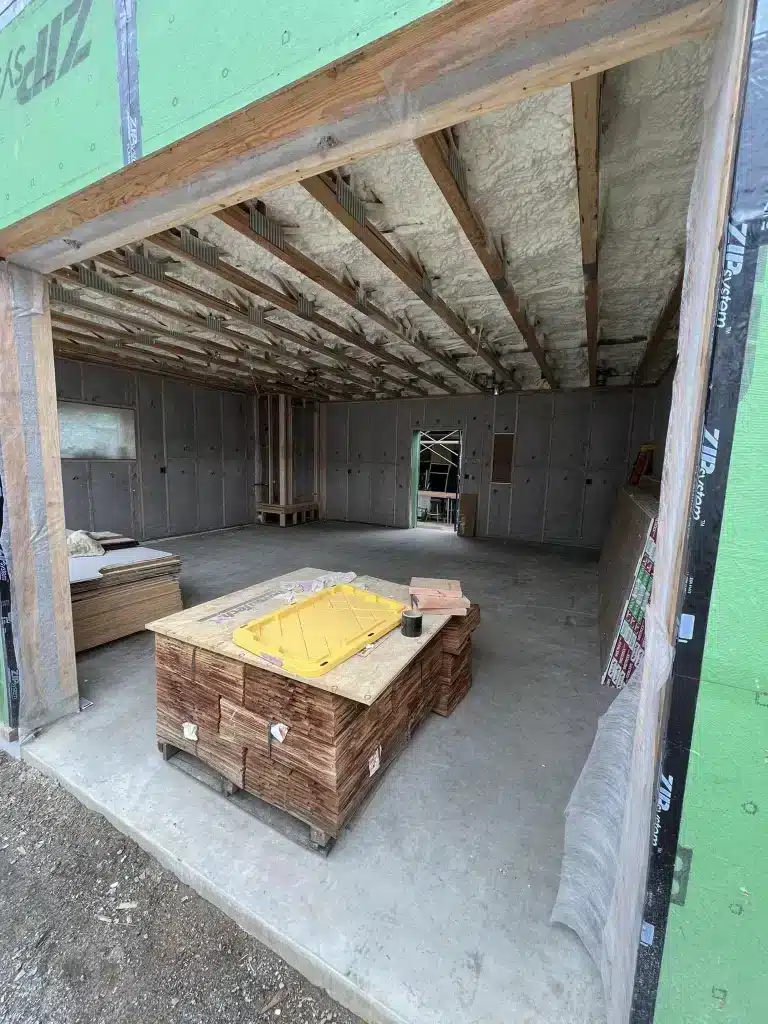
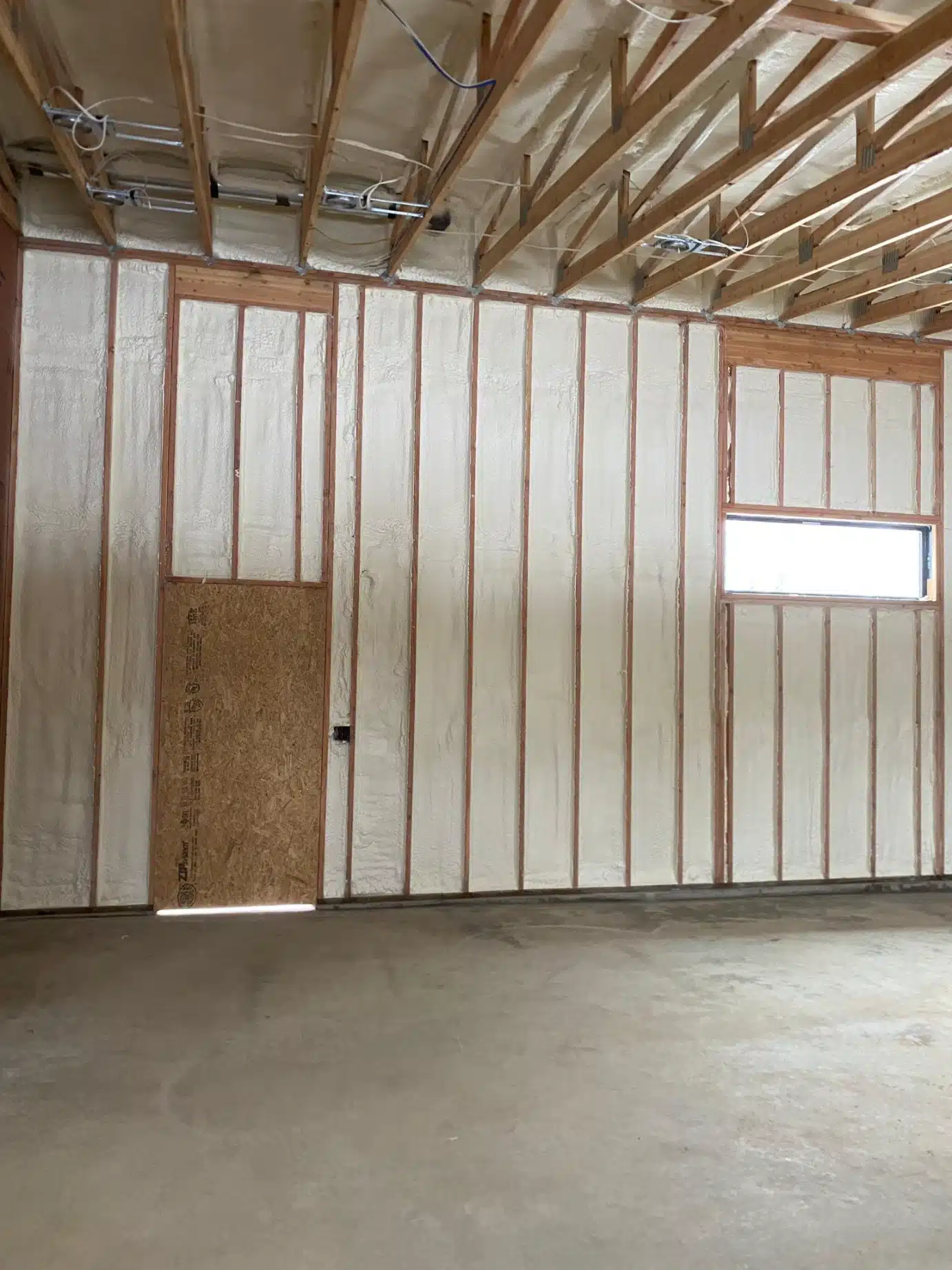
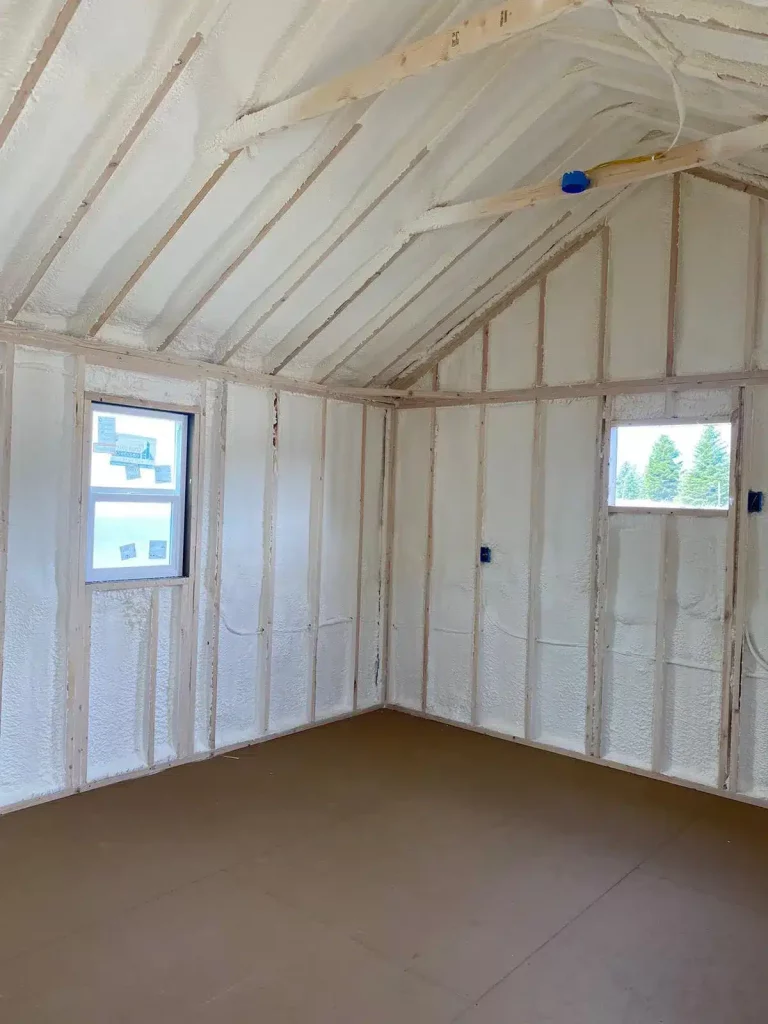
Traditional insulation only works where you can physically place it. Spray foam insulation changes that equation. Because it is applied as a liquid and reacts on contact, it expands into cracks, crevices, and voids, adhering to irregular surfaces and curing into a lightweight structure with virtually no air infiltration. A professional spray foam insulation company can apply it to challenging areas where conventional insulation may be difficult to install effectively. Per Wikipedia’s technical overview of spray polyurethane foam, this expansion lets the material form a custom air-tight envelope within the building structure, blocking convective heat transfer from interior to exterior during heating months and the reverse in cooling months.
Three capabilities make it especially useful for hard-to-reach areas:
If you added up all the leaks, holes, and gaps in a typical home’s envelope, ENERGY STAR calculates it would equal leaving a window open every day of the year. They also report that 9 out of 10 U.S. homes are under-insulated, and North Idaho’s cold winters amplify every one of those defects. Snowy climates add another problem ENERGY STAR specifically calls out: air leaks raise the chance of ice dams forming on roofs and eaves.
The most common leak points we find, which ENERGY STAR’s basement and crawlspace guidance confirms are the usual suspects, include:
These are exactly the spots a foam gun reaches better than a staple gun and a batt. The general rule from ENERGY STAR: use caulk for gaps of 1/4 inch or less, and spray foam for anything larger.
Both foam types seal air leaks, but they behave differently, and choosing wrong means paying for performance you do not need or missing the protection your space requires.
| Attribute | Open Cell Foam | Closed Cell Foam |
|---|---|---|
| R-value per inch | Roughly 3.8 | 5.1 to 6 |
| Air barrier | Yes, at 5.5+ inches installed | Yes, at minimum thickness |
| Vapor barrier | No, air passes through open cells | Yes, at required thickness |
| Texture | Soft, sponge-like, crushable | Rigid, each cell fully sealed |
| Best hard-to-reach uses | Interior wall cavities, sound-dampening interior walls | Rim joists, crawlspaces, basements, moisture-prone areas |
| Typical Ponderay project price | $0.45 to $0.75 per sq ft (avg $0.60) | $1.90 to $2.80 per sq ft (avg $2.45) |
For a vented or damp Ponderay crawlspace, closed cell is usually the better call because it adds moisture resistance along with the air seal. For interior walls where sound control and moderate R-value are the goals, a professional open-cell spray foam service can provide effective cavity coverage at a lower material cost.
These are our typical project prices for the 83864 service area:
| Service | Typical Low (per sq ft) | Typical Average | Typical High |
|---|---|---|---|
| Open cell spray foam | $0.45 | $0.60 | $0.75 |
| Closed cell spray foam | $1.90 | $2.45 | $2.80 |
| Air sealing (dedicated) | $0.50 | $1.00 | $2.00 |
| Insulation removal and replacement | $2.50 | $3.50 | $4.50 |
Most homes we work on in the Ponderay area run between 1,500 and 4,000 square feet, so multiply the per-square-foot figure by your application area to estimate a project total. For spray foam insulation in Ponderay, ID, five factors move the price up or down more than anything else:
Clean, easy-access job sites keep pricing at the lower end of every range.
No single product solves every leak. A complete strategy layers materials by gap size and location:
| Method | Best For | Air Sealing Ability |
|---|---|---|
| Caulk | Gaps 1/4 inch or less, stationary joints | Good, small scale only |
| One-part spray foam in a can | Gaps over 1/4 inch, rim joists, small penetrations | Very good, localized |
| Weatherstripping | Doors and operable windows | Good, movable joints only |
| Batts or blown-in insulation | Bulk R-value in open attics | Poor, does not stop airflow |
| Closed cell spray foam | Crawlspace walls, rim joists, irregular cavities | Excellent, air plus vapor barrier |
Notice that batts and blown-in products appear as insulation, not air sealing. Fiberglass needs an air barrier alongside it to perform to its rating, which is why foam or dedicated sealing at the leak points changes results so dramatically.
An airtight home changes how the building breathes. ENERGY STAR warns that sealing can trap indoor pollutants, so two checks come before any foam is sprayed:
You are on the right track with a provider when you see these indicators:
At Selkirk Energy Solutions, we specialize in finding and sealing the hard-to-reach gaps that drive up heating bills in Ponderay, ID, from crawlspace rim joists to attic bypasses, with honest guidance on where foam helps and where simpler air sealing does the job. Call us at (208) 295-9780 or email [email protected], and we will walk your home, identify the leak points, and price the work with no surprises.
Yes. Retrofit injection fills finished wall cavities through small holes drilled between studs, then the holes are patched. It is a standard technique for existing homes.
Closed cell is usually the better choice because it provides an air barrier and vapor barrier in one layer and resists moisture. Open cell works well in dry, interior-only cavities.
It handles most irregular gaps, but accessible joints under 1/4 inch may be caulked and movable doors and windows need weatherstripping. A layered approach closes every path.
Curing times for current-generation foams are very short, and once cured the material is inert. Installers wear respiratory and face protection during application for safety.
It can if combustion appliances backdraft or radon gets trapped, which is why testing comes before sealing. Mechanical ventilation may be recommended as part of the project.