How Does Roof Design Influence Spray Foam Insulation Requirements in Dover, ID?
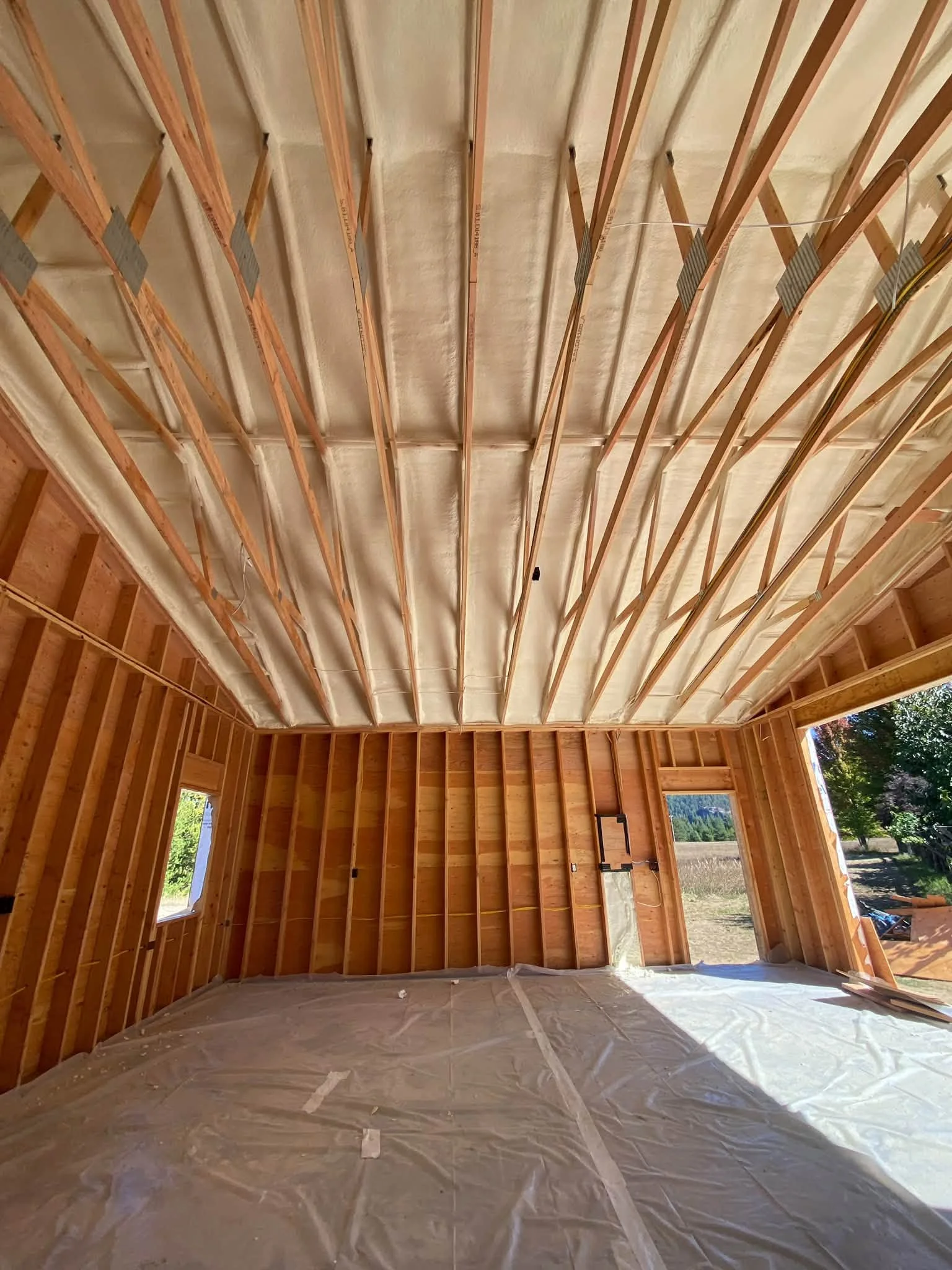
Your roof design is the primary factor that dictates how spray foam insulation should be installed. Because Dover, Idaho, experiences…


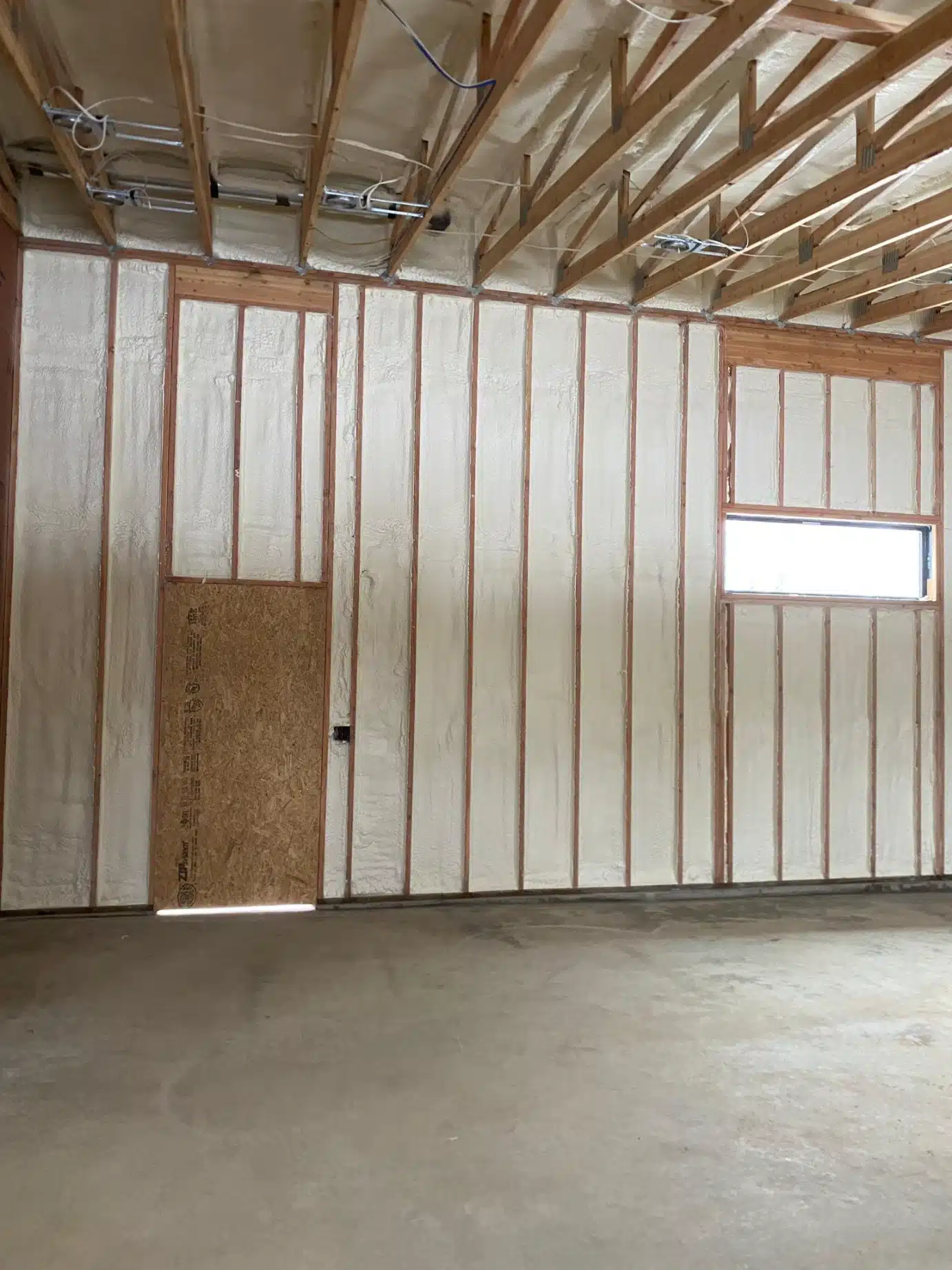
Spray foam insulation reduces persistent drafts because it works as an insulation and an air barrier in a single application. It expands into the gaps, cracks, and voids that fibrous insulation simply cannot block, stopping the uncontrolled air leakage that makes rooms feel cold, uneven, and impossible to keep comfortable. For homeowners in Garwood, ID, where north Idaho winters are long and heating costs climb every year, spray foam insulation benefits, costs, and installation can help explain the practical playbook: seal the attic plane and the crawlspace or basement first, use open cell foam for walls and attic assemblies, use closed cell foam where moisture is present, and finish with targeted air sealing. The right combination depends on your home’s construction, its moisture exposure, and which rooms feel the worst, so it pays to match the material to each zone instead of defaulting to one product for the whole house.
Garwood sits in Kootenai County in the Idaho panhandle, where winters are cold and the heating season stretches from late fall well into spring. NOAA’s Idaho State Climate Summary describes large seasonal temperature swings with cold winters across the state, and records an average January low of 26.2°F in nearby Coeur D’Alene. Every degree of difference between inside and outside air drives leakage through any opening it can find.
Most homes lose conditioned air through a process called stack effect. Spray foam insulation in Garwood, ID, can help address these air leakage pathways by sealing attic penetrations, top plates, recessed lights, crawlspaces, rim joists, and foundation gaps. Warm indoor air rises and escapes through these openings, pulling cold outdoor air inside. The result is cold floors, drafty rooms, and a furnace that runs constantly.
The DOE compares insulation to a sweater and air sealing to a windbreaker. A sweater keeps you warm when the air is still, but it does not block wind. ENERGY STAR notes that if you added up all the leaks in a typical home’s envelope, it would equal leaving a window open every day of the year, and that 9 out of 10 U.S. homes are under-insulated. Retrofit homes in rural Kootenai County, many with vented crawlspaces and aging attic insulation, show exactly this pattern.
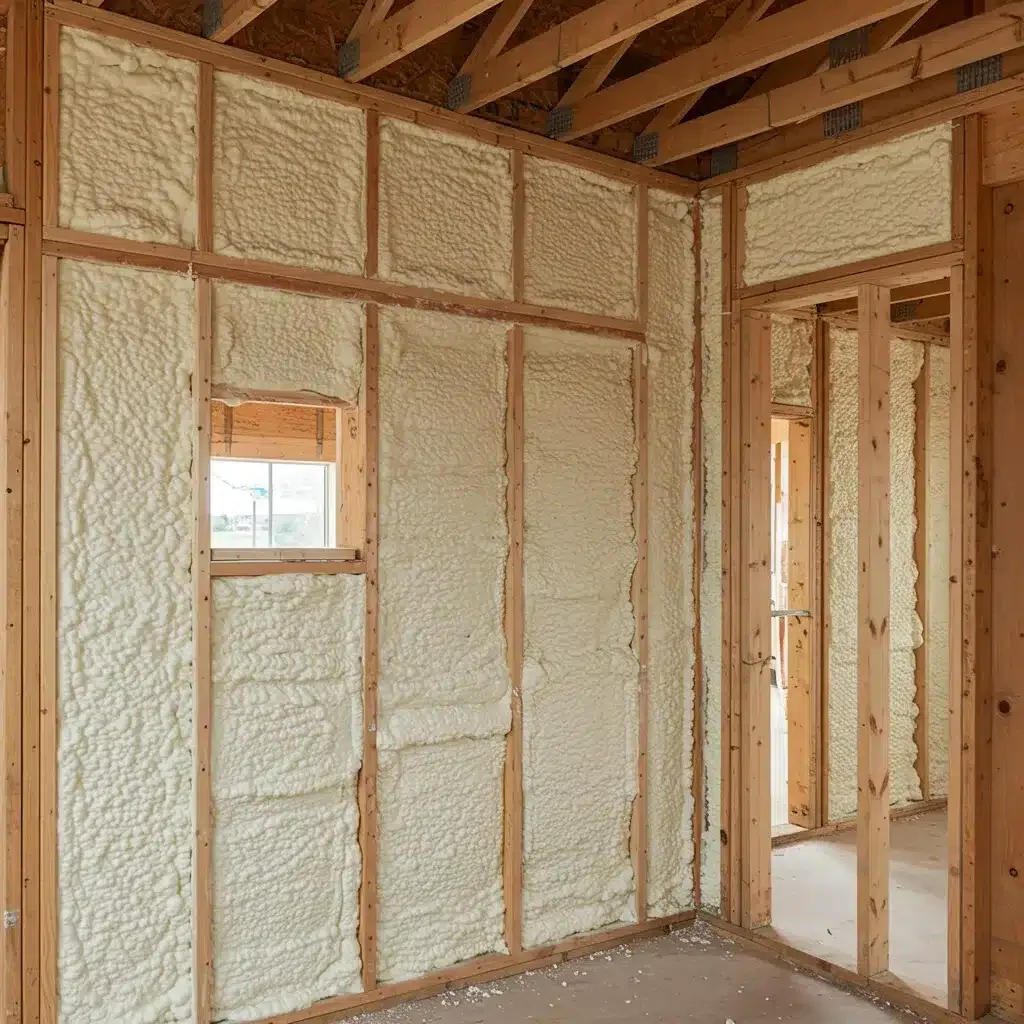
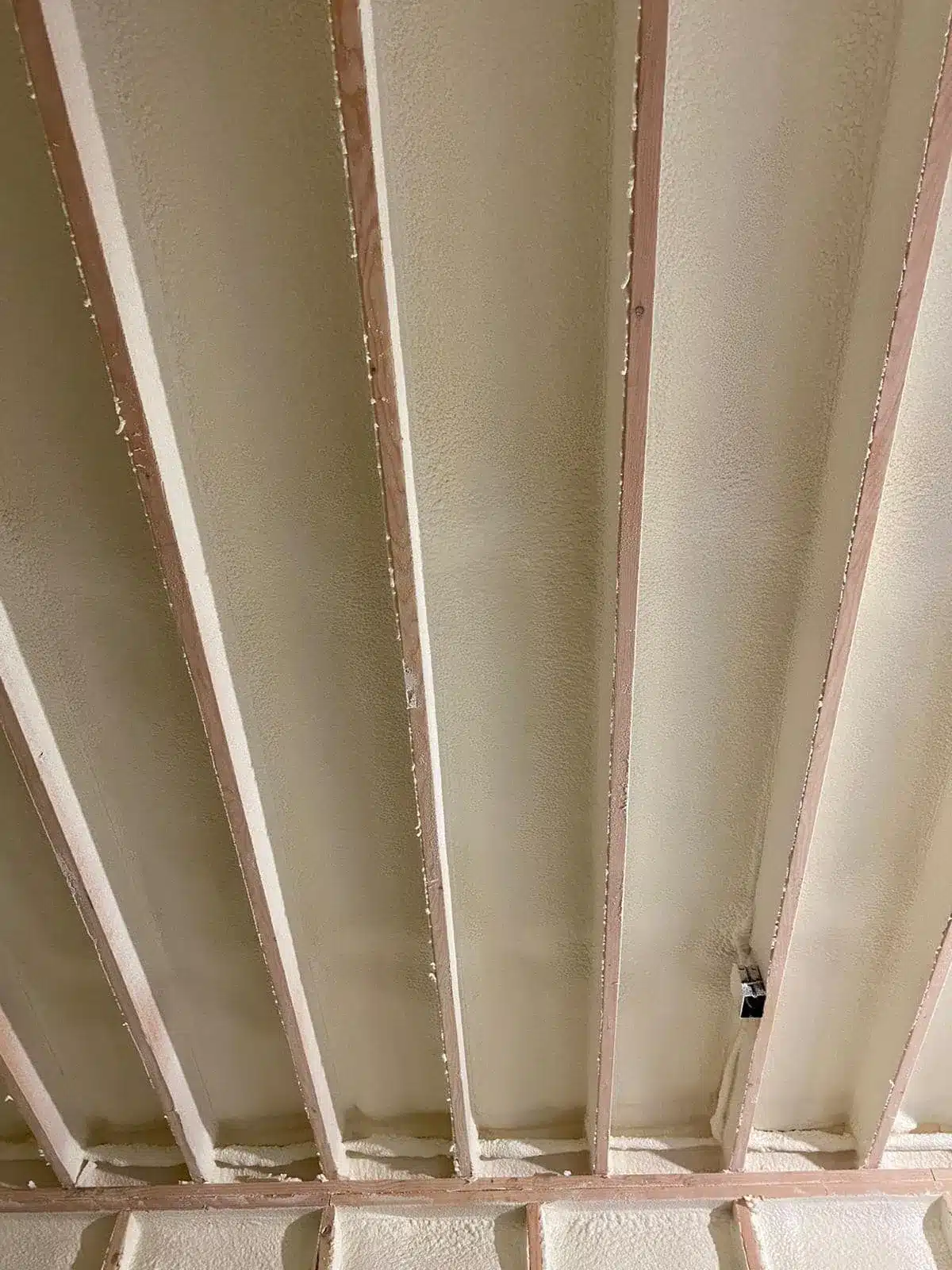
Spray polyurethane foam starts as a two-part liquid that expands on contact. A spray foam insulation contractor applies the material to targeted areas, where closed-cell foam expands roughly 35 to 50 times its liquid volume and open-cell foam expands up to 150 times. That expansion lets it fill the gaps, cracks, and voids responsible for uncontrolled air leakage, which is why the DOE’s Building America program describes both foam types as excellent at air sealing and notes that fiberglass and cellulose are far less able to block airflow.
Because foam is both the air barrier and the thermal barrier, drafts are stopped and heat transfer is slowed in the same pass. There is no gap between where the insulation ends and the air sealing begins, which is the failure point in most batt and blown-in jobs.
| Property | Open Cell Spray Foam | Closed Cell Spray Foam |
|---|---|---|
| R-value per inch | About R-3.6 | About R-6 |
| Behavior | Soft, flexible, absorbs sound | Rigid, adds racking strength |
| Vapor control | Vapor permeable, holds drying capacity | Vapor retarder, hydrophobic, does not absorb water |
| Best zones | Wall cavities, attic planes, sound control | Crawlspaces, band joists, below grade walls, roofs |
| Our pricing (per sq ft) | $0.45 low / $0.60 avg / $0.75 high | $1.90 low / $2.45 avg / $2.80 high |
The DOE guide rates both foams as preferred for cold-climate wall cavities, but the applications are not interchangeable. Open cell is not acceptable below grade because it can hold water. Closed cell is the pick wherever the assembly can get wet.
| Draft Zone | Why It Leaks | Recommended Fix |
|---|---|---|
| Attic floor plane | Top plates, wire chases, recessed lights, hatch openings | Air sealing plus foam or topped insulation |
| Crawlspace walls and rim joists | Open vents, unsealed sill plates, exposed dirt | Closed cell foam on foundation walls and band joists |
| Floors over garages and cantilevers | Unsealed framing bays under living space | Closed cell applied to the subfloor underside |
| Exterior wall cavities | Gaps around wiring, plumbing, and outlet boxes | Open cell foam at full cavity depth, or flash-and-batt hybrids |
Done in that order, attic first and crawlspace second, most homeowners notice the change within the first heating season. ENERGY STAR also points out that sealing and insulation reduce outside noise, dust, pests, and the chance of ice dams in snowy climates, a real concern in the panhandle.
Our current project pricing, per square foot:
| Service | Low | Average | High |
|---|---|---|---|
| Air sealing | $0.50 | $1.00 | $2.00 |
| Open cell spray foam | $0.45 | $0.60 | $0.75 |
| Closed cell spray foam | $1.90 | $2.45 | $2.80 |
| Insulation removal and replacement | $2.50 | $3.50 | $4.50 |
Access is the biggest single factor. Tight crawlspace hatches, low ceiling heights, and long travel distances push a project toward the high end. Clean sites with easy access come in lower, and moisture or mold remediation adds cost before foam can be applied.
| Home Scenario | Recommended Approach | Key Notes |
|---|---|---|
| Retrofit home with vented crawlspace | Closed cell at crawlspace walls and band joists, then attic air sealing | Cold floors and main-floor drafts usually trace back here |
| New construction | Open cell in walls, closed cell at rim joists and wet areas | Foam is cheapest to install before drywall goes up |
| Drafty second story only | Attic plane air sealing, then open cell at the sloped ceiling | Stack effect makes the attic the top priority |
| Full remodel or re-insulation | Removal and replacement, then zoned foam application | Old, dirty, or wet insulation should come out first |
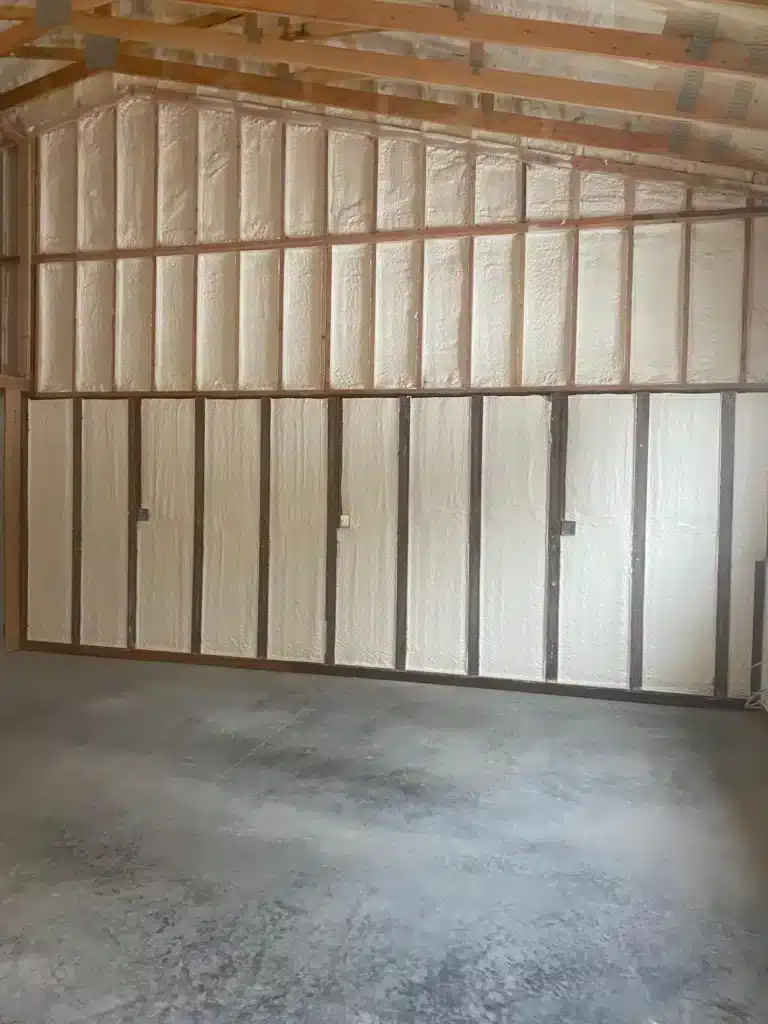
Persistent drafts are a solvable problem, and Selkirk Energy Solutions has sealed them out of homes across Garwood, ID and the surrounding panhandle for years. Our team diagnoses the leak, matches open cell or closed cell foam to each zone, and finishes with targeted air sealing so the fix lasts. Call us at (208) 295-9780 or email [email protected] to get started.
Request a Quote | Schedule a Draft Assessment
Your home should feel warm in January, not like the outside found a way in.
Foam seals the large cavities it fills, but small penetrations around vents, hatches, and trim still need targeted air sealing. We pair the two for a complete envelope.
Closed cell is the correct choice below grade and anywhere moisture is present. It resists water absorption and doubles as a vapor retarder.
Most residential foam and air sealing projects finish in one to three days depending on access and square footage. Crawlspace work with removal may run longer.
Usually no. Existing insulation should be removed first so foam bonds directly to the framing and hidden leaks can be sealed. Our removal and replacement service handles this.
It is the most reliable way to find where drafts actually enter, especially in retrofit homes. We recommend diagnostics before quoting a full envelope project.