How Can Spray Foam Insulation Help Reduce Persistent Drafts in Garwood, ID Homes?
Spray foam insulation reduces persistent drafts because it works as an insulation and an air barrier in a single application.…


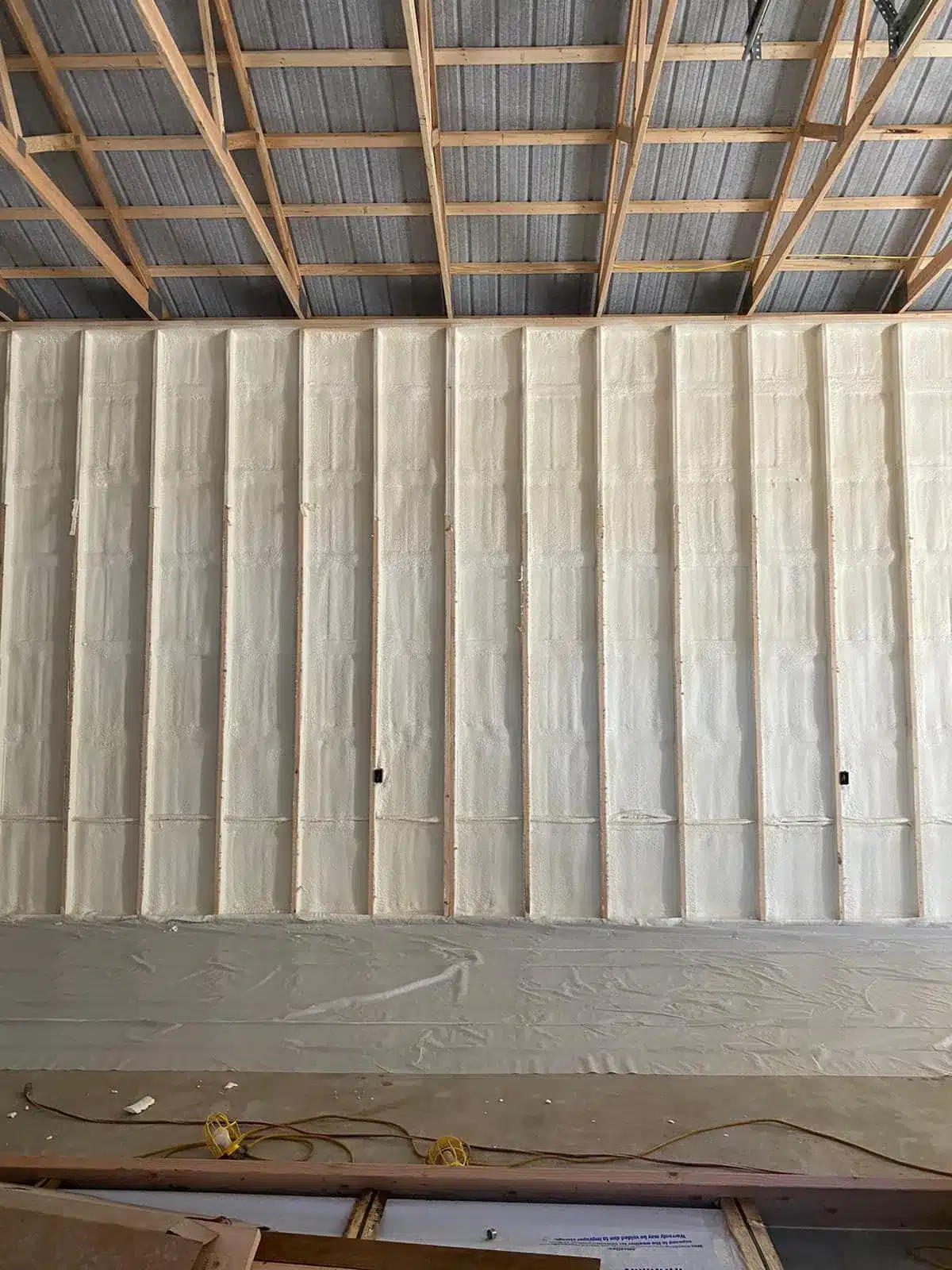
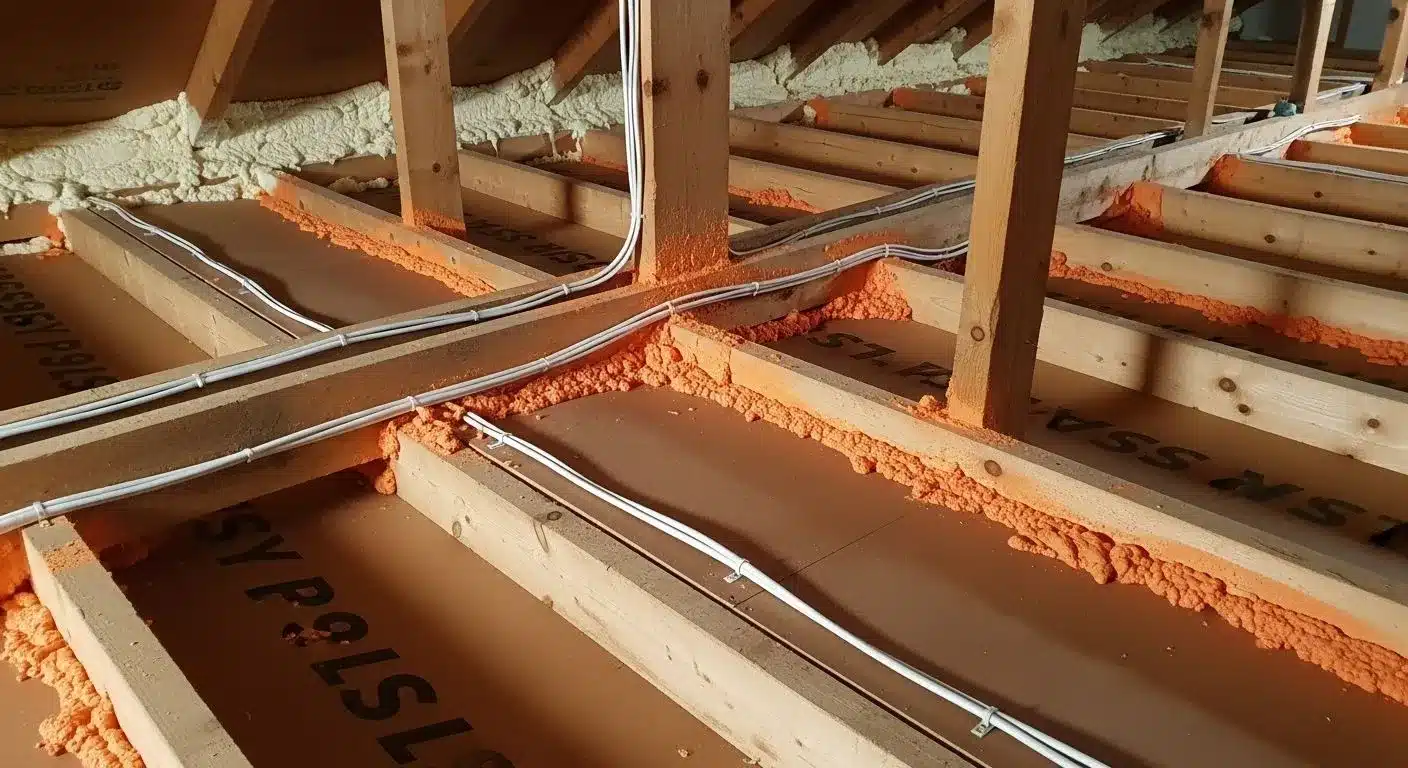
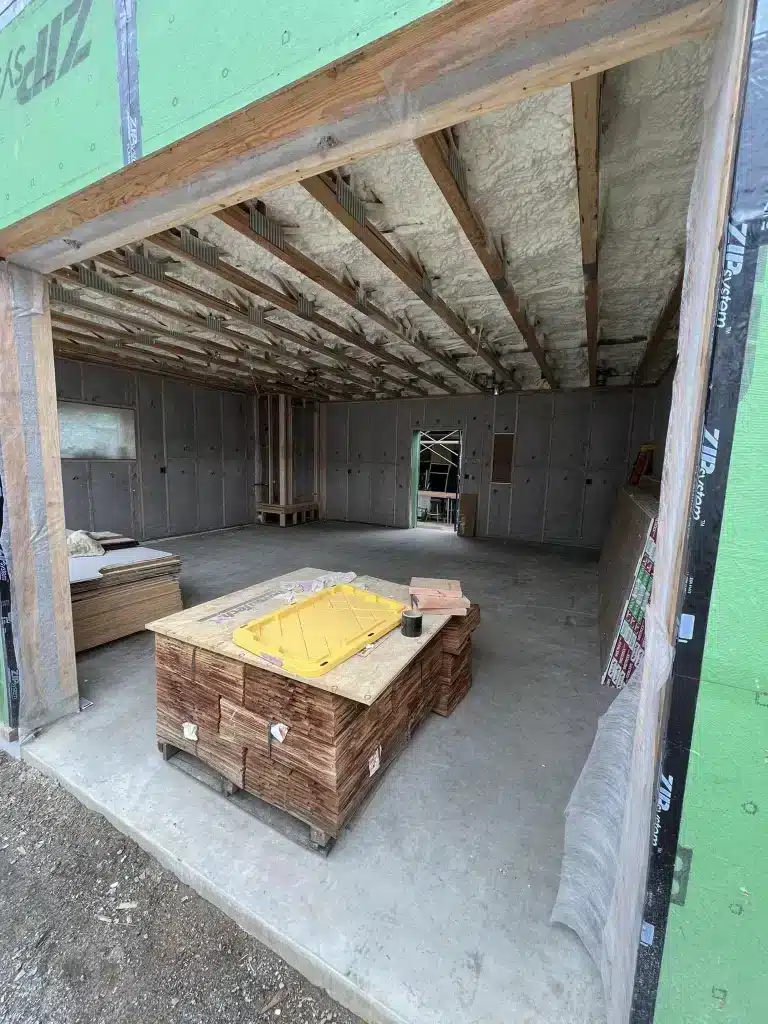
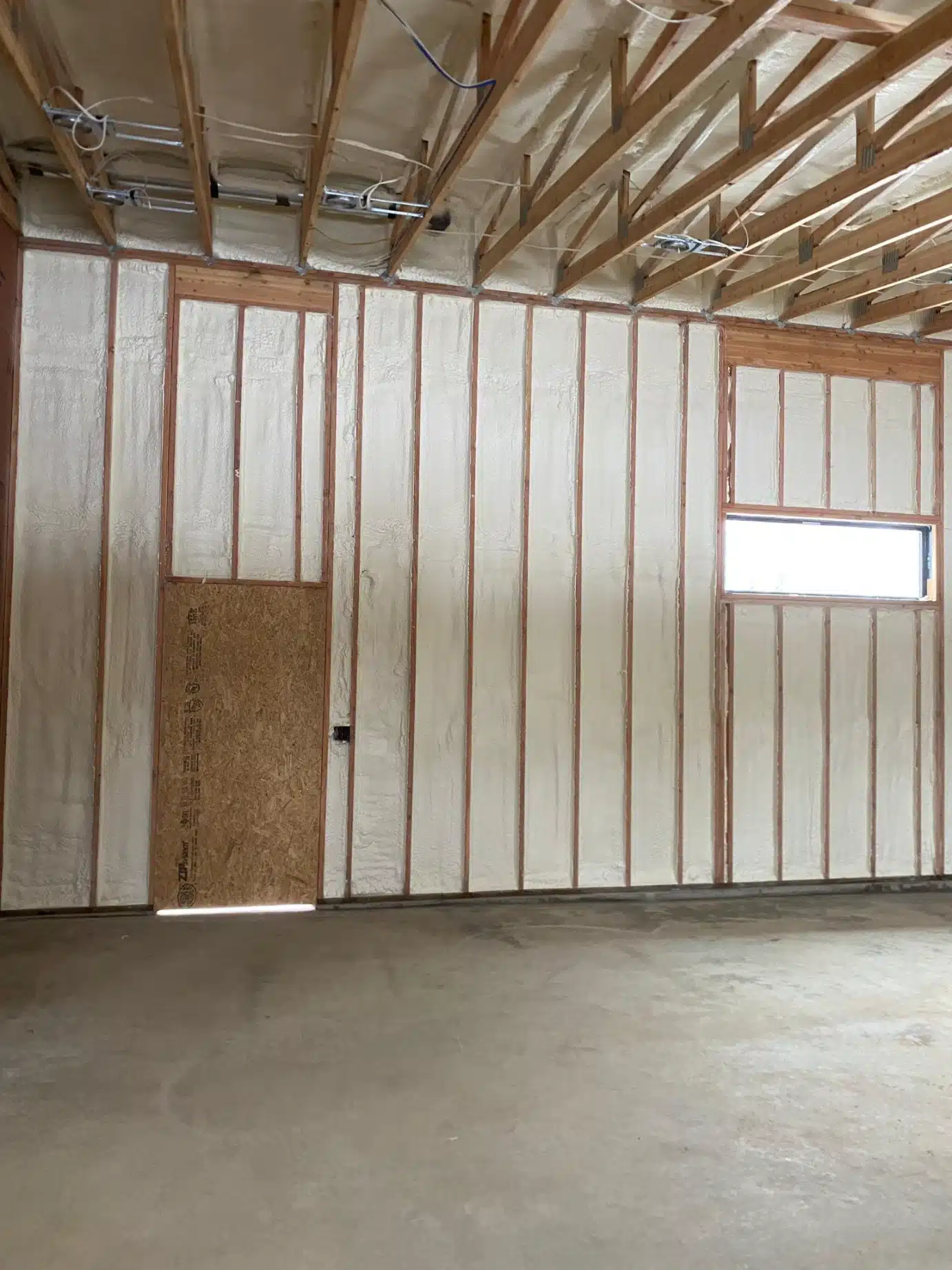
Closed-cell spray foam helps stop moisture problems in Bonners Ferry, ID by combining insulation, air sealing, and vapor control in a single application. This rigid, medium-density polyurethane cures into millions of sealed cells, and once installed at the manufacturer’s required minimum thickness, it acts as both an air barrier and a vapor barrier. That combination stops the warm, humid indoor air that condenses on cold framing, rim joists, and foundation walls, which is the root cause of most mold and rot we find in Boundary County homes. Closed-cell spray foam types, uses, benefits, and performance make it especially effective in crawlspaces, basements, and rim joist bays along the Kootenai River valley. The right fix still depends on where your moisture comes from, because bulk water, humid air leakage, and vapor diffusion each call for a different mix of drainage, air sealing, and foam.
Bonners Ferry has a humid continental climate with cold, snowy winters and damp shoulder seasons. Climate records for the city show precipitation peaks from November through January, December averaging 3.17 inches, and average snowfall of 53.8 inches per year, with snow depths above 10 inches on about 24 days annually. When furnishes run all winter, every air leak pulls humid indoor air into cold wall cavities, and when spring melt saturates valley soils, that moisture migrates upward.
The EPA’s guidance on where mold grows describes our exact problem: crawlspaces with bare earth floors are common sites of hidden mold because soil wicks moisture through capillary action, and that moisture then passes into the building through cracks in walls, floors, and ceilings. Add condensation, which forms whenever warm, humid air contacts a cold surface, and you get the frosted rim joists and damp subfloors typical of Bonners Ferry winters.
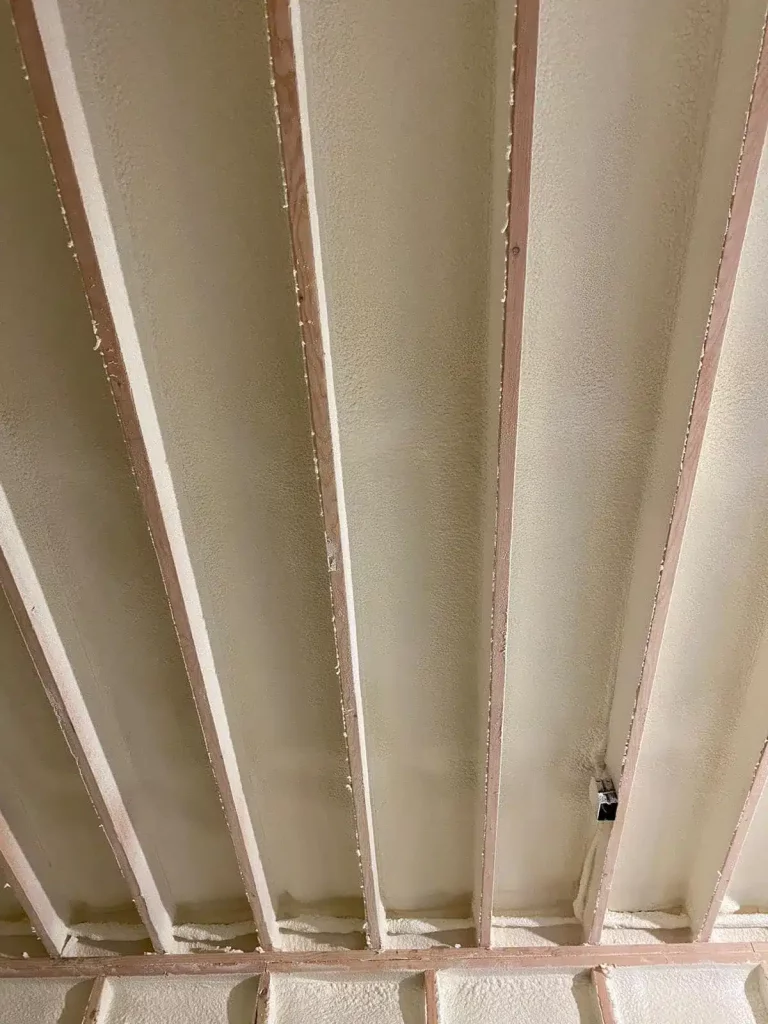
Closed-cell foam is a medium-density, two-pound material that expands up to 30 to 60 times its liquid volume and adheres directly to wood, concrete, and steel. A qualified closed-cell spray foam contractor can ensure the material is installed at the proper thickness for the intended application. Technical references on spray foam confirm that when the required minimum thickness is installed, closed-cell spray polyurethane foam functions as both a vapor barrier and an air barrier. No separate poly sheeting is needed on most foundation walls and rim joists, which removes the biggest failure point in traditional assemblies: taped or stapled vapor barriers that tear, gap, and get skipped.
The EPA identifies insulation on cold surfaces as a primary way to prevent condensation, and closed-cell foam does this better than nearly any material because it both insulates and air-seals the surface at once. Professional closed-cell spray foam services can help improve coverage across vulnerable areas. Rim joists, crawlspace walls, and concrete foundations stay above the dew point, so humid indoor air that reaches them can no longer drop its moisture as liquid water.
Because mold cannot grow without moisture, sealing the leaks that carry humid air into hidden cavities directly reduces mold risk. A sealed envelope also helps the whole home hold the EPA’s recommended 30 to 50 percent relative humidity range more easily, which protects framing, subfloors, and stored belongings.
| Material | Vapor Barrier | R-Value per Inch | Best For | Limitations |
|---|---|---|---|---|
| Closed-cell spray foam | Yes, at required thickness | R-5.1 to R-6 | Crawlspace walls, basements, rim joists, exterior walls | Higher material cost, requires professional application |
| Open-cell spray foam | No at typical thickness | About R-3.8 | Interior walls, sound control | Air and vapor pass through; wrong choice for below-grade areas |
| Fiberglass batts | No | R-3 to R-4 | Budget wall and attic fills | Air moves through it, sags when wet, hides condensation |
| Air sealing alone | No | None | First step before any insulation | Does not insulate, works best paired with foam |
| Service | Typical Low (per sq ft) | Typical Average | Typical High |
|---|---|---|---|
| Closed cell spray foam | $1.90 | $2.45 | $2.80 |
| Open cell spray foam | $0.45 | $0.60 | $0.75 |
| Air sealing | $0.50 | $1.00 | $2.00 |
| Insulation removal and replacement | $2.50 | $3.50 | $4.50 |
Several factors move a project from the low end to the high end of these ranges:
Pairing foam with air sealing also compounds the payoff: ENERGY STAR reports that sealing air leaks and adding insulation can deliver up to 10 percent savings on annual energy bills, and studies cited by the U.S. Department of Energy attribute roughly 40 percent of home energy loss to air infiltration alone.
| Home Situation | Recommended Approach | Why It Works |
|---|---|---|
| Ventilated crawlspace over bare soil | Closed cell spray foam on crawlspace walls and rim joists | Blocks soil moisture wicking and humid air leaks at the source |
| Basement with damp concrete walls | Closed cell spray foam applied directly to foundation | Insulates and vapor-controls concrete in one application |
| Frosted, drafty rim joists | Targeted closed cell foam pass at rim joist bays | Seals the leakiest zone and keeps surfaces above dew point |
| Older home with settled, wet batts | Insulation removal and replacement, then foam | Wet insulation must come out before the assembly can dry and perform |
| New construction | Closed cell at walls and rim joists during framing | Builds the air and vapor barrier into the structure from day one |
We help Bonners Ferry homeowners and builders solve crawlspace, basement, and rim joist moisture with correctly specified closed cell spray foam, air sealing, and insulation replacement. Selkirk Energy Solutions team serves all of Boundary County, including rural properties and homes from 1,500 to 4,000 square feet, and we quote conditions honestly before work begins. Call us at (208) 295-9780 or email [email protected] to talk through your moisture problem with our crew.
Protect your home before the next snowmelt season starts.
A: No. It resists water absorption and blocks vapor diffusion, but standing water, grading problems, and gutter issues need proper drainage fixes before foam is installed.
A: No. The EPA advises fixing the water problem and cleaning up mold first, and foam applied over damp wood can trap moisture and hide ongoing damage.
A: Closed cell is the right choice. Only closed-cell foam acts as a vapor barrier at typical installation thickness, which is what a Boundary County crawlspace needs against soil moisture.
A: In most homes, yes. Insulating cold surfaces keeps them above the dew point, which is exactly how the EPA recommends preventing condensation.
A: Moisture or mold issues, difficult access, low crawlspace heights, material price changes, and long travel distances all increase pricing, while clean sites with easy access keep it lower.