How Does Open-Cell Spray Foam Adhere to Different Building Materials in Bonners Ferry, ID?
Open-cell spray foam bonds as it expands against a clean, dry surface, so adhesion depends more on moisture, dust, and…


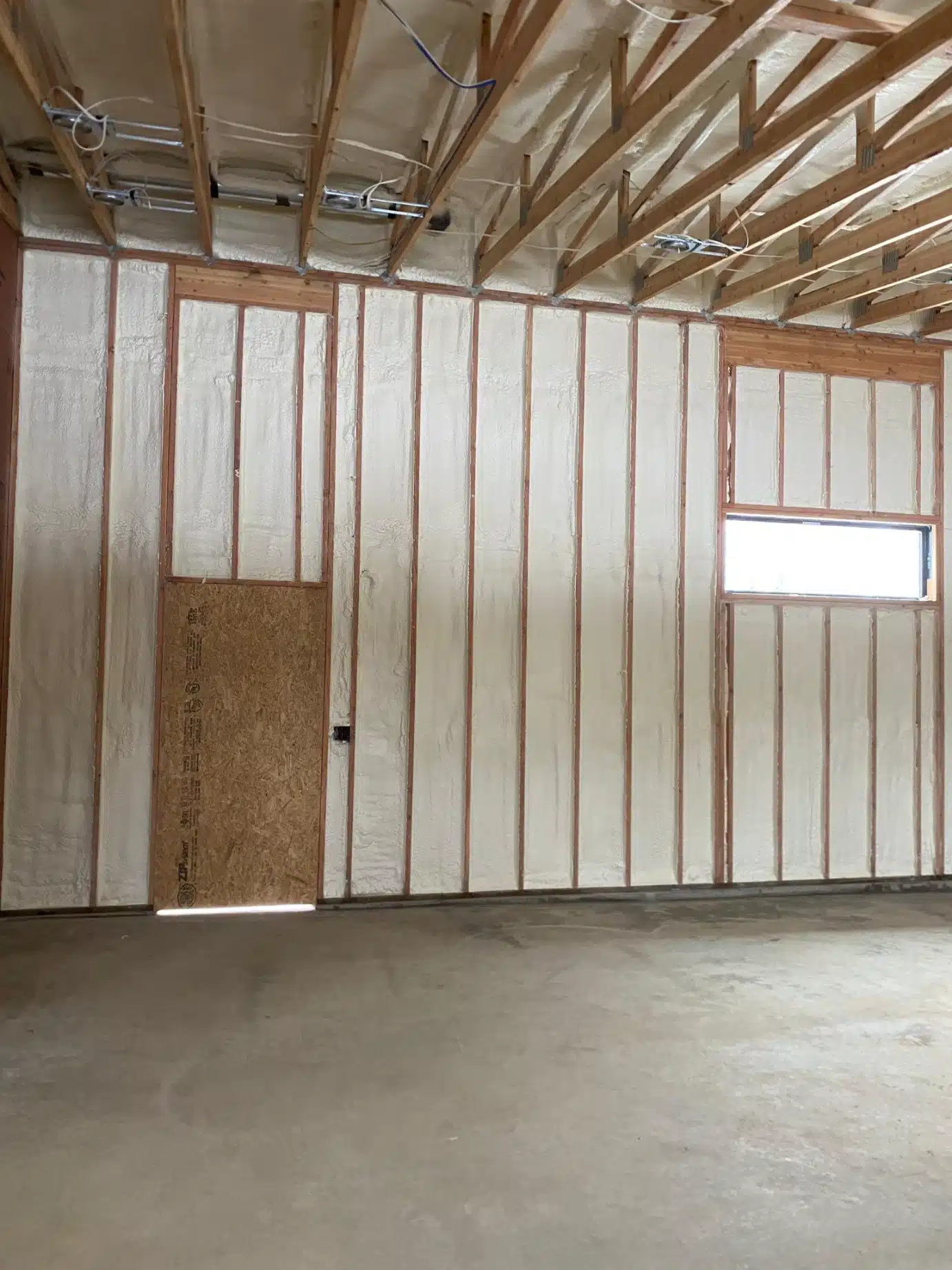
The recommended closed-cell spray foam thickness in Bonners Ferry, ID, typically ranges from 2 to 3 inches for wall cavities and 3 to 5 inches for roof decks and cathedral ceilings. Achieving at least 2 inches is considered the practical minimum to establish a continuous air barrier, effectively seal moisture pathways, and ensure your home meets local Zone 6 energy codes for long-term efficiency during severe winter conditions.
TL;DR:
Bonners Ferry sits in one of the coldest corners of Idaho, and the heating season runs long. A Department of Energy fact sheet estimates heating and cooling account for 50 to 70 percent of the energy used in the average American home, so thin or leaky insulation shows up fast on winter bills. That is why homeowners comparing options for closed-cell spray foam insulation in Bonners Ferry, ID, usually ask us about thickness before price. Thickness is what turns foam into an air barrier and a moisture control layer, not just insulation. Spray it too thin and drafts, cold sheathing, and ice dam risk stay in the picture.
Closed-cell foam is a high-density product, and most residential formulations are rated between R-6 and R-7 per inch, depending on the product and whether the figure is aged or initial. Our closed-cell spray foam guide explains how the closed-cell foam R-value climbs about 6 to 7 points with every inch, making small measurement errors during installation compound quickly.
| Foam Thickness | Approximate R-Value |
|---|---|
| 2 inches | R-12 to R-14 |
| 3 inches | R-18 to R-21 |
| 4 inches | R-24 to R-28 |
| 5 inches | R-30 to R-35 |
Treat those figures as estimates, because each manufacturer’s data sheet lists the exact aged value for its product.
Spray foam thickness for walls comes down to framing depth more than anything else.
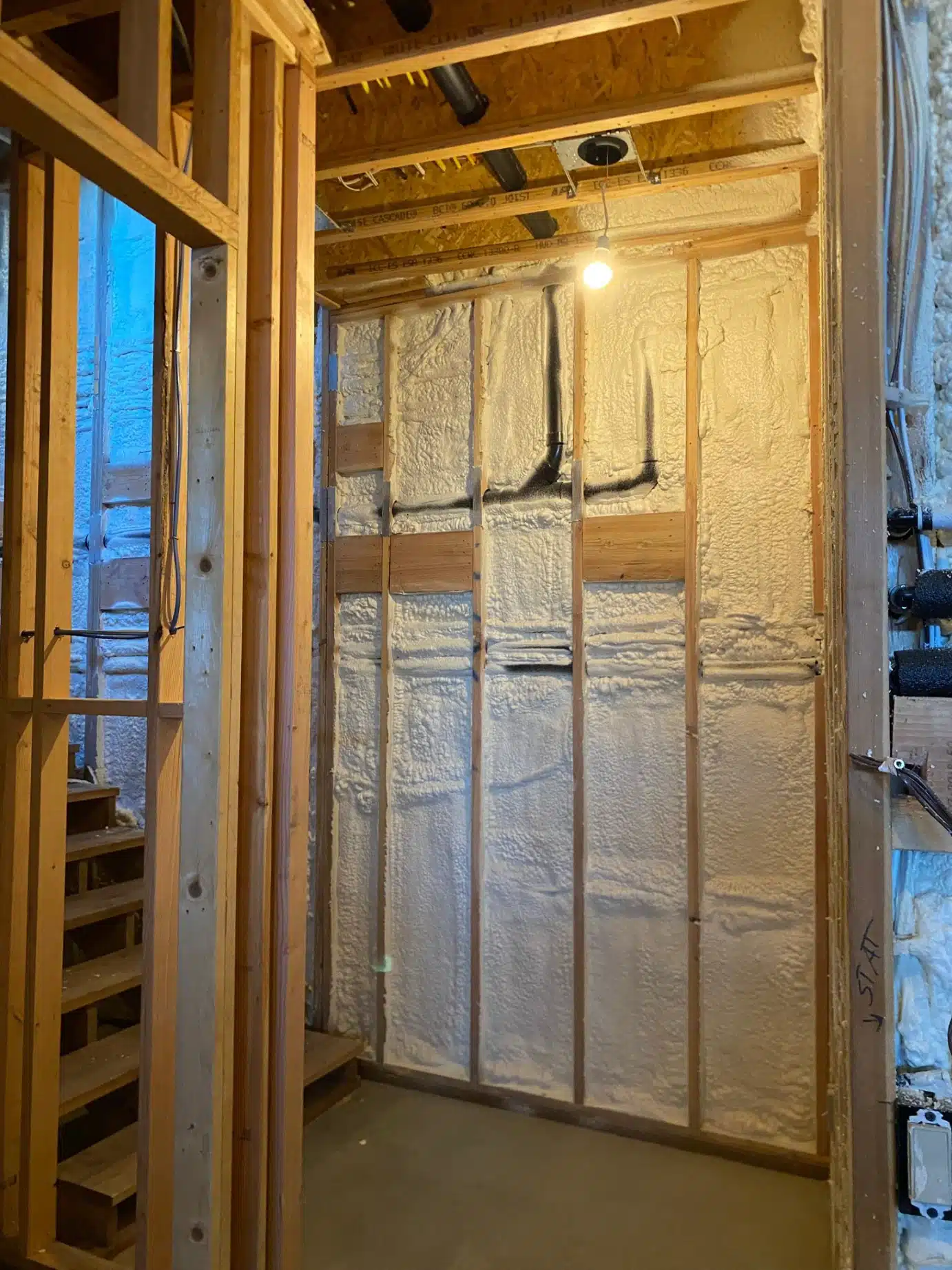
In a standard 2×4 wall, you have 3.5 inches of cavity, and 2 inches of foam covers just over half of it while sealing every gap around wires and boxes. In a 2×6 wall, 3 inches sits comfortably behind the wiring without crowding the cavity.
Idaho’s energy code, based on the 2018 IECC with state amendments, calls for R-22 in exterior walls in Climate Zone 6. At R-7 per inch, a 3.5-inch full fill clears that bar, and 3 inches gets close, with continuous exterior insulation on a new build covering the remaining gap. Where the project is an older retrofit with shallower targets, 2 inches still delivers an air seal batts cannot match.
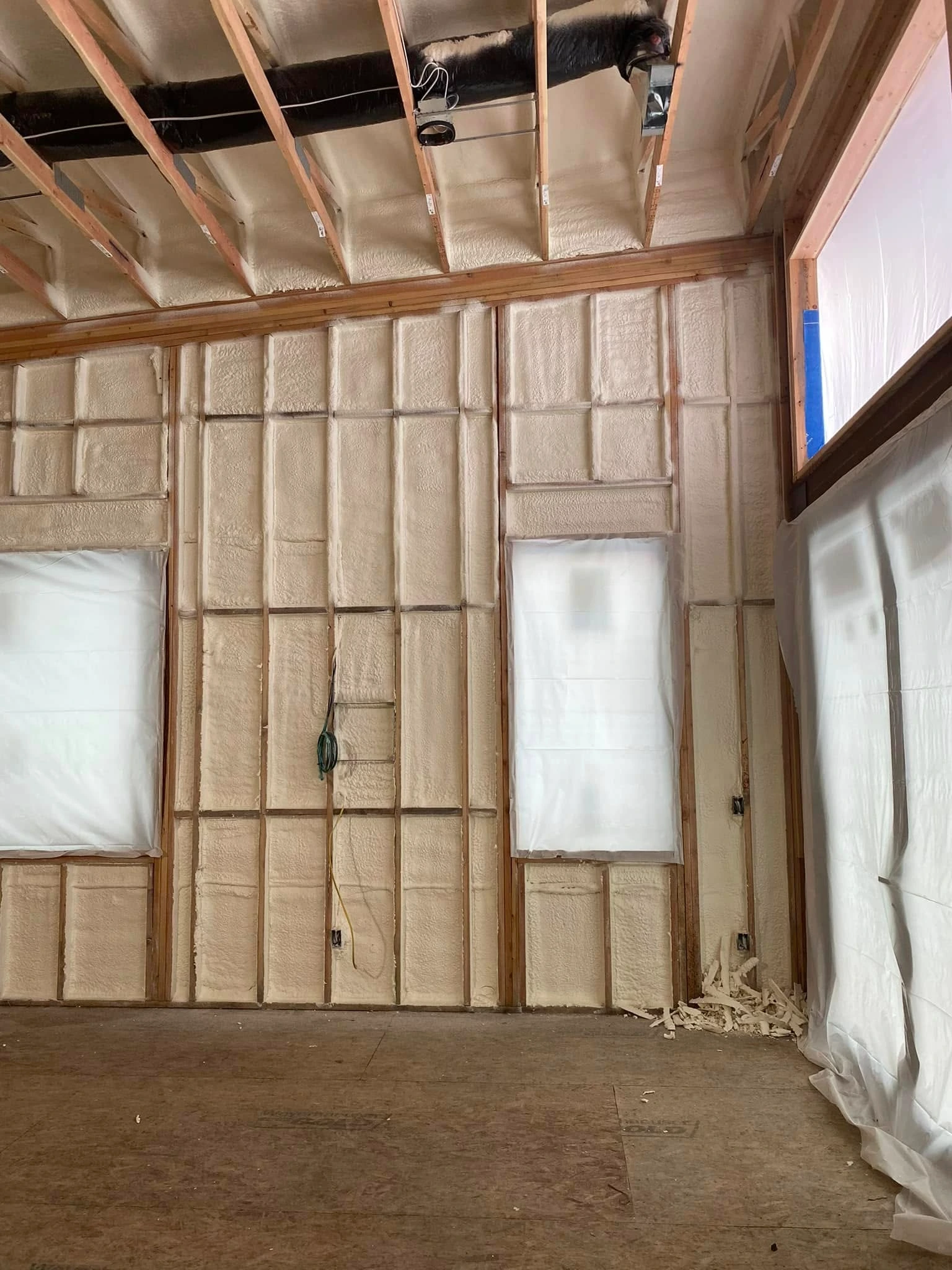
Roof jobs split into two categories, and the right thickness differs for each. Blown material handles most vented attic floors, while foam goes on the underside of the deck when you’re conditioning the attic or dealing with a cathedral ceiling. That kind of spray foam roof insulation work typically runs 3 to 5 inches in homes around Boundary County.
Cathedral ceilings often have 2×6 or 2×8 rafter bays, which leaves two paths: 3 to 4 inches of foam plus a second insulation layer, or a deeper full-foam application.
Thickness at the deck also decides how the roof handles moisture. Building Science Corporation notes that in cold climates, conditioned attic assemblies need a Class II vapor retarder at the underside of the insulation, and one accepted route is foam whose permeance at the applied thickness meets that class. In plain terms, the inches you spec determine whether moist indoor air can reach the cold sheathing in January. Undershoot and condensation risk climbs. Overshoot and you’re paying for R-value that a ceiling target like R-49 could use elsewhere.
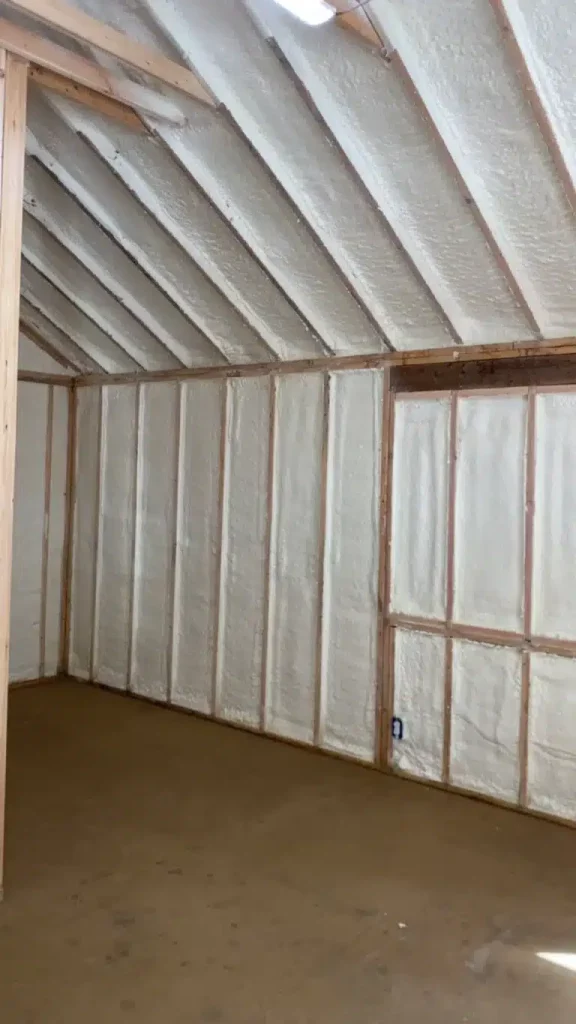
Two homes on the same street can need different thicknesses, which is why quotes should start with measurements instead of a price sheet. Here is what moves the number:
The recommended spray foam thickness for your walls and roof is the one that hits your R-value target with a full air seal, and that number deserves a site check rather than a guess.
If you’re planning wall and roof insulation in Bonners Ferry, ID, our team will measure your framing, walk your attic, and spec the exact inches your project needs. We offer free quotes, so you see the full scope and thickness before any work is scheduled. Call Selkirk Energy Solutions at (208) 295-9780 or email [email protected] to book yours.
A: Yes. Applicators build thickness in passes of roughly 1 to 2 inches because the foam gives off heat as it cures, and one deep pour can scorch, shrink, or pull away from the cavity.
A: At 2 inches and thicker, most manufacturers rate closed-cell foam as a vapor retarder, so added poly is usually unnecessary. Check the product data sheet for the perm rating at your specific thickness.
A: Thickness helps by cutting heat loss into the roof deck, but ice dams also depend on air leaks and ventilation. Foam is one fix, not a guaranteed cure.
A: Yes, but conditions matter. Foam bonds and rises poorly on cold, damp substrates, so applicators verify material and surface temperatures before winter work proceeds.
A: Re-entry guidance varies by product, so follow your installer’s written instructions. Plan to keep people and pets out during application and until the foam has cured.