How Can Spray Foam Insulation Help Reduce Persistent Drafts in Garwood, ID Homes?
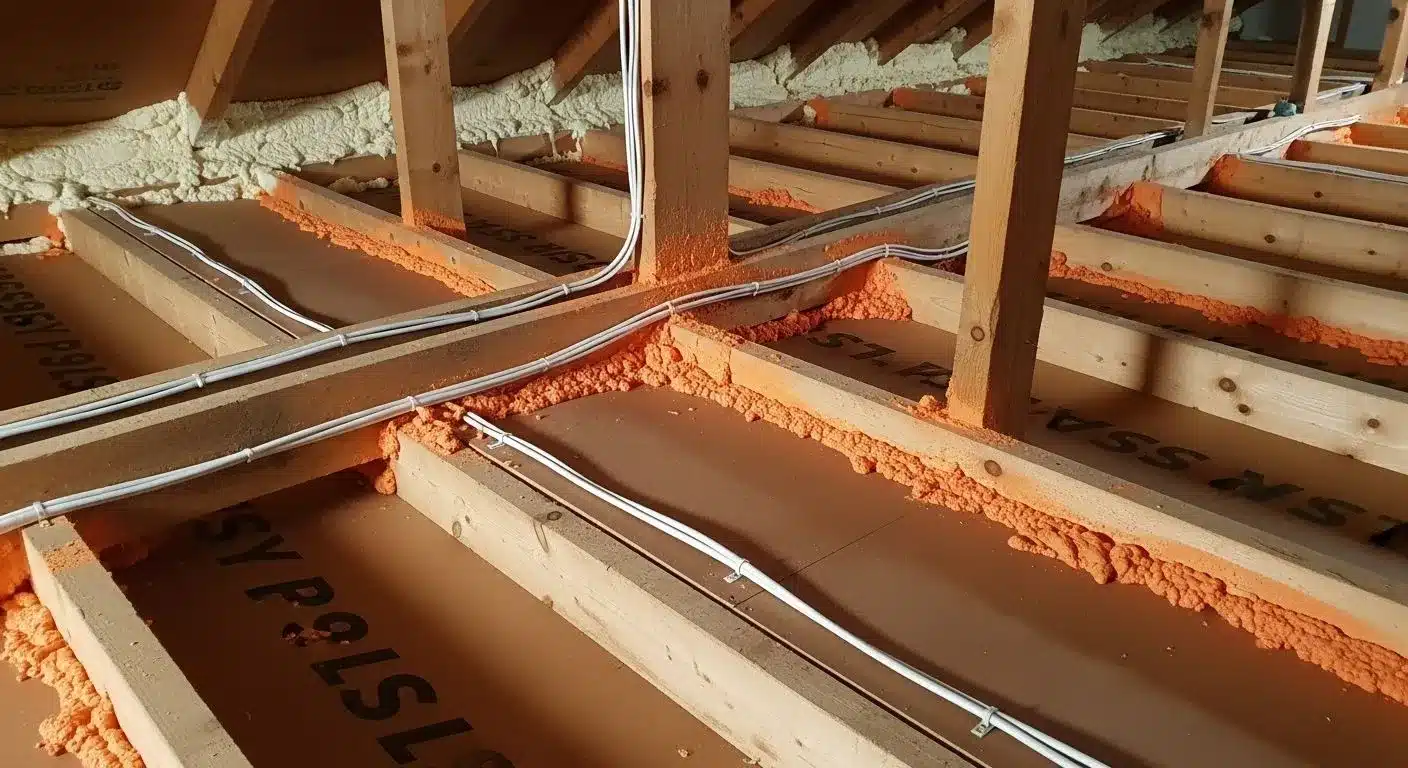
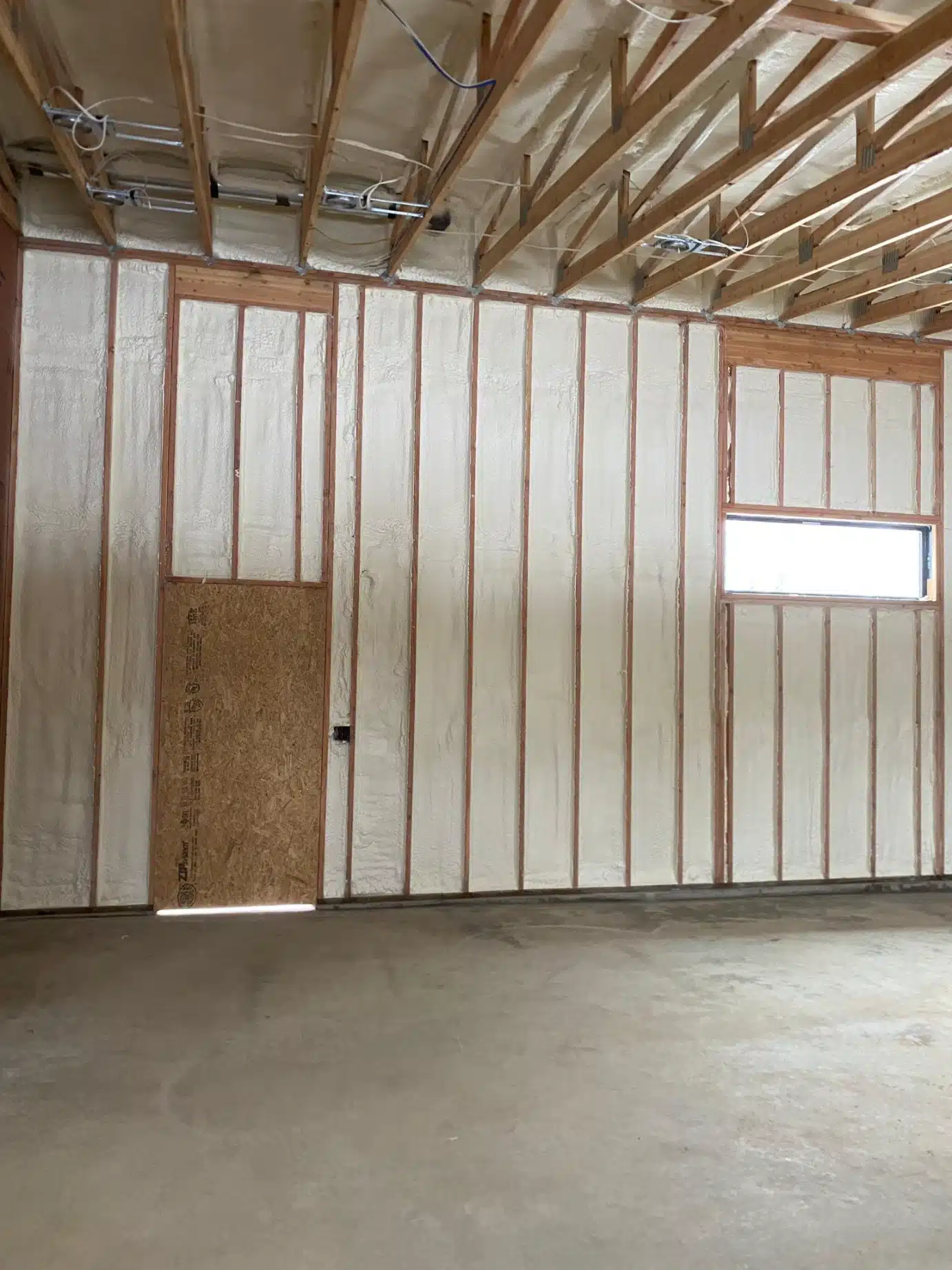
Spray foam insulation reduces persistent drafts because it works as an insulation and an air barrier in a single application.…


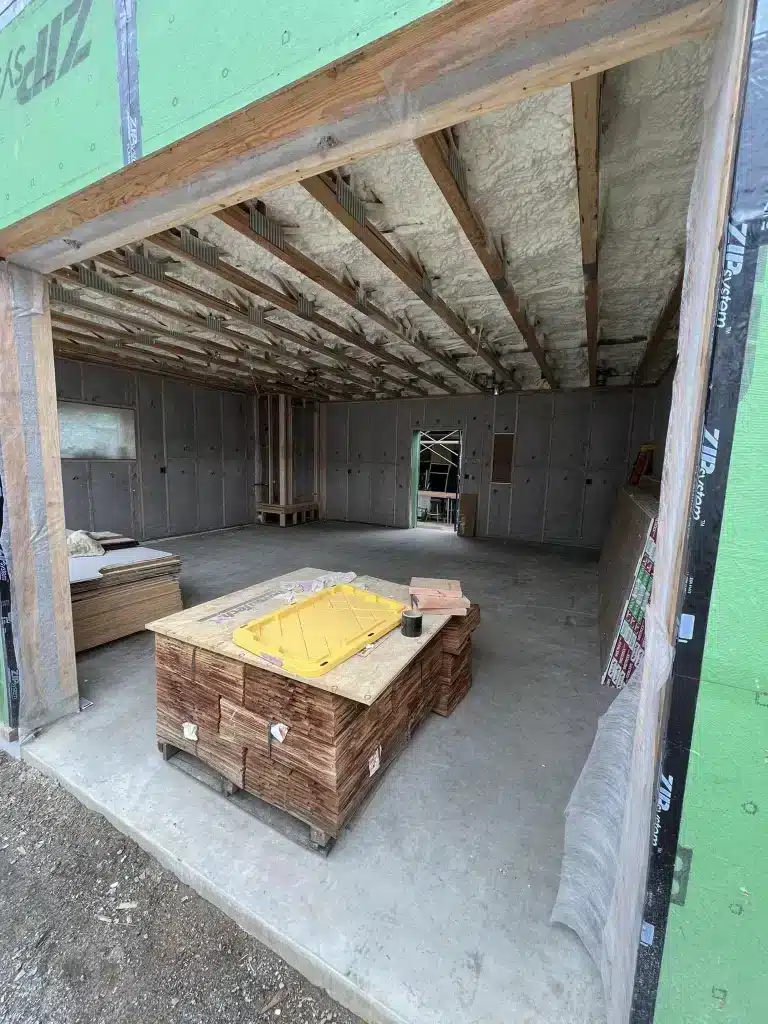
Open-cell spray foam is the right choice for interior insulation projects and renovations when the space sits above grade, moisture is controlled elsewhere in the assembly, and the goal is full-cavity coverage with built-in air sealing and sound damping. It fits framed walls, attic rooflines, bonus rooms, and interior partitions, delivering roughly R-3.8 per inch at a lower installed cost than closed-cell foam. The guide to open-cell spray foam insulation explains why it is the wrong choice wherever soil contact or standing moisture meets the assembly, which is where closed-cell foam earns its higher price. The decision comes down to four factors: location in the building, moisture exposure, target R-value, and how the assembly is designed to dry. Below, we break down where open-cell foam wins, where it fails, what it costs per square foot in our Sandpoint, Idaho service area, and how to sequence a renovation so the investment pays off.
Open-cell spray polyurethane foam, often called half-pound foam, is a semi-rigid, sponge-like material that expands 30 to 60 times its liquid volume as it is applied, filling cracks, crevices, and voids, and adhering to irregular framing that batts cannot reach (Wikipedia). Most open-cell products deliver around R-3.8 per inch, and once the foam reaches 5.5 inches or more of installed depth, it functions as an air barrier. Professional open-cell spray foam services can help ensure proper application depth and coverage. Thinner applications do not meaningfully restrict vapor movement, so open-cell foam should be treated as insulation plus an air seal, never as a moisture barrier.
That combination, moderate R-value with full-depth air sealing, is exactly what most interior renovation projects need. Building science research shows that air leakage can account for about 30% of the thermal flow across an enclosure in a well-insulated home, and convective loops inside air-permeable insulation quietly erode stated R-values wherever gaps remain (Building Science Corporation). Foam that fills the cavity and seals it in a single pass removes that failure mode.
| Factor | Open-Cell Foam | Closed-Cell Foam | Dedicated Air Sealing |
|---|---|---|---|
| R-value per inch | ~R-3.8 | R-5.1 to R-6 | None; stops leakage, not conduction |
| Vapor behavior | Vapor-open; needs separate retarder | Vapor barrier at required thickness | No effect on vapor |
| Best locations | Attic rooflines, framed walls, interior partitions | Crawlspaces, rim joists, below-grade walls | Whole envelope, room by room |
| Typical price | $0.45 to $0.75 per sq ft | $1.90 to $2.80 per sq ft | $0.50 to $2.00 per sq ft |
| Sound benefit | Absorbs airborne noise | Limited | None |
Based on our typical project pricing in the 83864 service area, most projects fall in these per-square-foot ranges:
| Service | Low | Average | High |
|---|---|---|---|
| Open-cell spray foam | $0.45 | $0.60 | $0.75 |
| Closed-cell spray foam | $1.90 | $2.45 | $2.80 |
| Insulation removal and replacement | $2.50 | $3.50 | $4.50 |
| Air sealing | $0.50 | $1.00 | $2.00 |
Difficult access, moisture or mold remediation, and long travel distances push projects toward the high end, while clean job sites with easy access keep them near the low end. Renovations that need old insulation removed first should carry both line items in the budget.
| Project Context | Recommended Approach | Key Notes | Expected Return |
|---|---|---|---|
| Retrofit home with open walls | Full-depth open-cell in exterior walls | Pair with attic treatment | Lower heating costs and fewer drafts |
| New construction | Open-cell in walls and roofline, closed-cell at grade contact | Match foam to exposure | Tight envelope from day one |
| Attic-only upgrade | Open-cell at the roofline | Verify ventilation plan | More usable, comfortable space |
| Bedroom or office sound upgrade | Open-cell in interior partitions | Dampens airborne sound, not impact noise | Quieter rooms day to day |
| Crawlspace or basement | Closed-cell, never open-cell | Handles ground moisture | Dry, warmer floors above |
Air sealing and insulating together is the combination ENERGY STAR links to savings of up to 10% on annual energy bills (ENERGY STAR), which is why we rarely quote foam without evaluating leakage first.
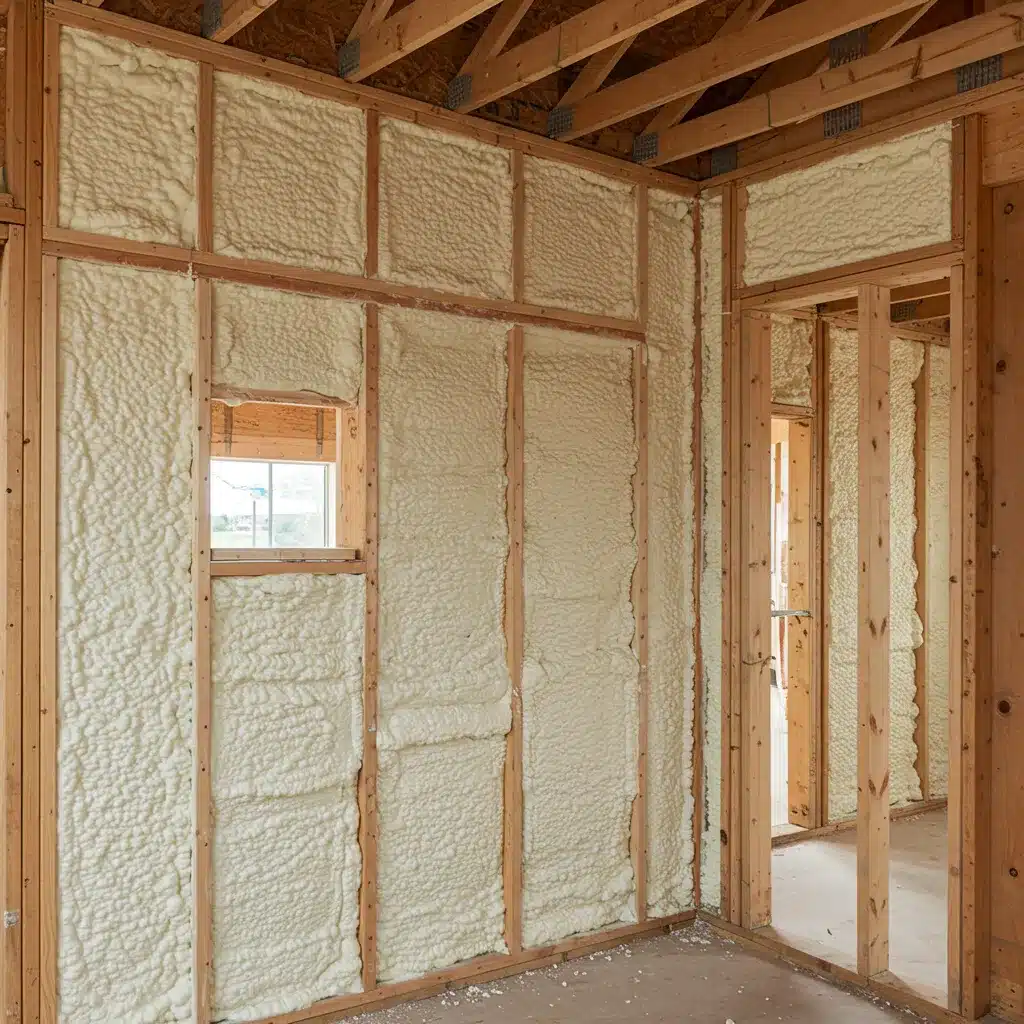
Choosing between open-cell and closed-cell foam comes down to the details of your building, and that is exactly what our team evaluates before recommending either one. Selkirk Energy Solutions serves Sandpoint and the greater North Idaho area with open-cell and closed-cell spray foam, air sealing, and insulation removal, and our crew will walk your project, explain the moisture strategy, and price the work clearly before a single board foot is sprayed. Call us at (208) 295-9780 or email [email protected] to get started.
Get your project priced right, and insulate it right the first time.
Occupants vacate during application while the foam cures, and the EPA provides ventilation and re-entry guidance that we follow on every job. Once cured, the foam is inert and sealed behind finished surfaces.
No. It is vapor-open, so a separate interior vapor retarder and a ventilation plan are required, especially in cold climates like North Idaho.
Our typical project pricing runs $0.45 to $0.75 per square foot installed, with difficult access or moisture remediation pushing toward the high end.
We do not recommend it. Ground moisture in those spaces calls for medium-density closed-cell foam, which acts as both an air and vapor barrier.
Yes, for airborne sound. Filling interior partitions absorbs the air movement that carries voices and everyday noise between rooms.